Catalonia’s separatist politics are shifting away from the old independence question and toward immigration, crime and identity, and that change is handing the region’s far right its fastest rise in years.
Catalonia separatist vote shifts toward anti-immigration

That matters far beyond Barcelona. Catalonia is one of Spain’s richest regions and a political bellwether for how frustrated voters channel anger when constitutional nationalism runs out of road. The rise of Aliança Catalana suggests the separatist vote is fragmenting, coalitions are getting harder to build and Madrid is facing a more volatile mix of regional grievance and anti-immigration politics.
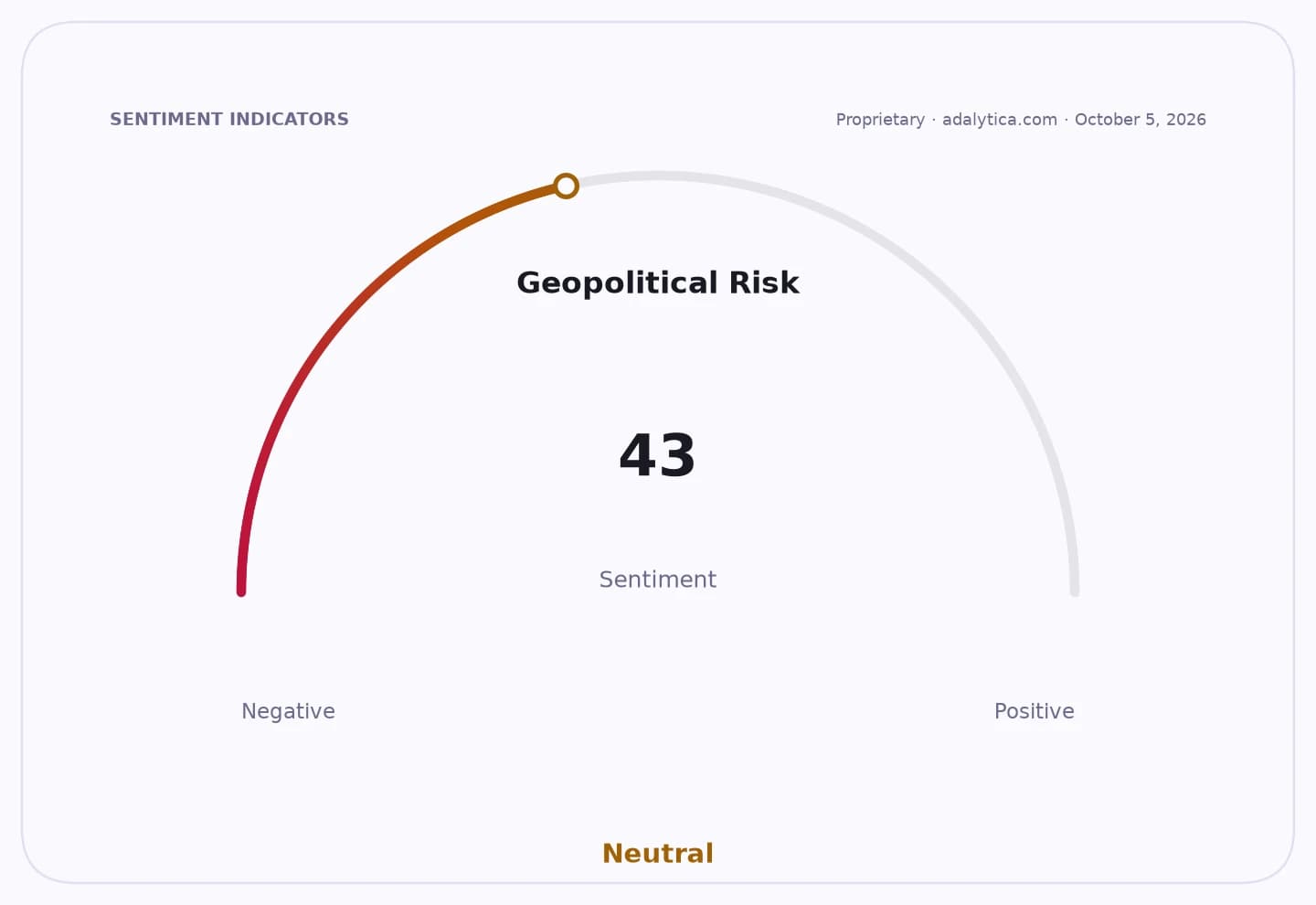
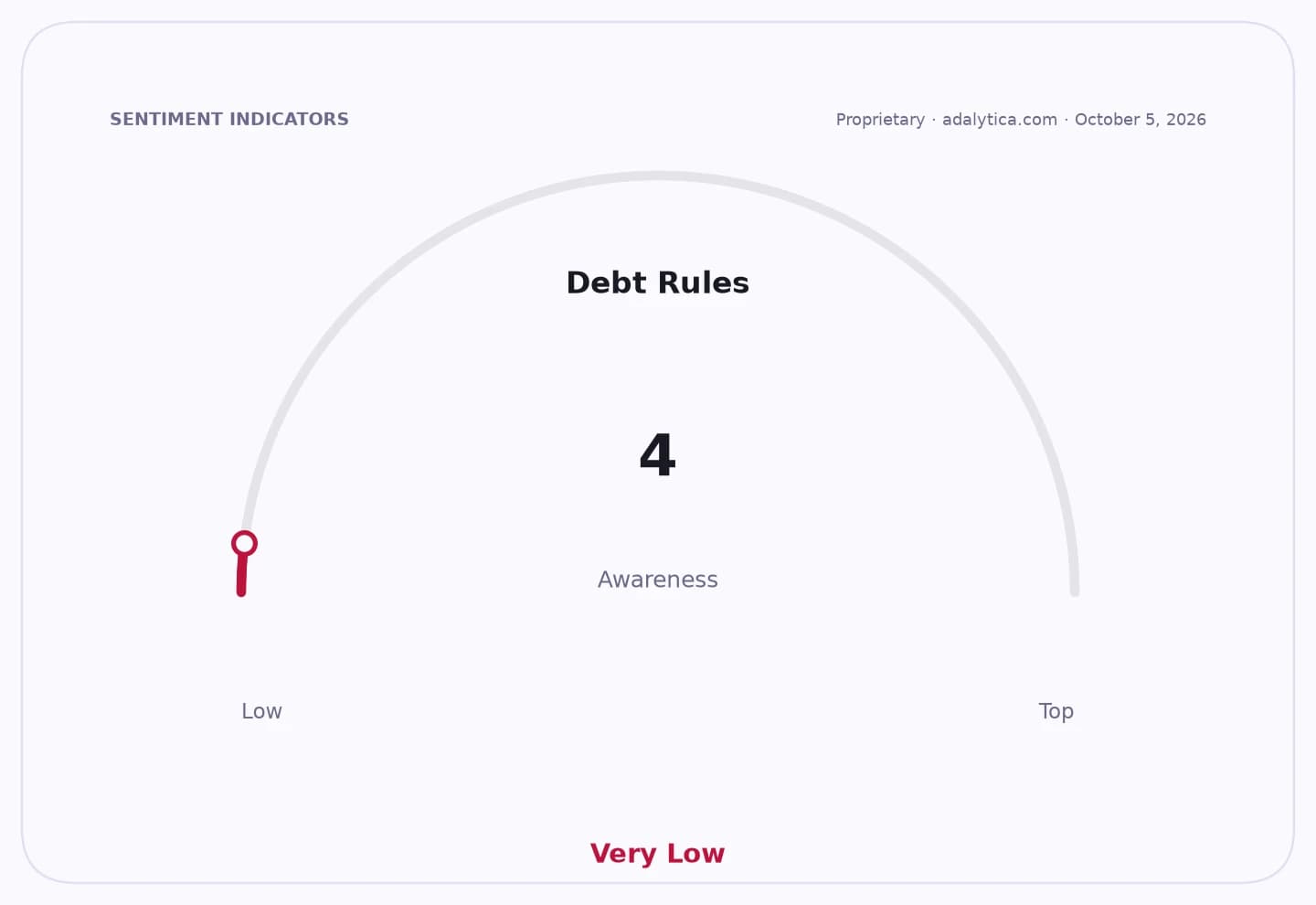
Sentiment IndicatorsⓘProprietary · adalytica.com · September 27, 2026
This is a snapshot — live sentiment, awareness and momentum for 130+ markets update continuously in the dashboard.Open AlphaPulse

The clearest sign is polling. Aliança Catalana, led by 41-year-old Silvia Orriols, has jumped from 3.8% support to 16.7% ahead of the next regional election due in 2028, according to an El Mundo survey cited by Reuters. That puts it second in the field, ahead of the Republican Left of Catalonia, or ERC, and gives it a real chance to become the kingmaker — or the spoiler — in any future attempt to dislodge the Socialists.
For investors watching Spain, the significance is not that Catalonia is about to break away. Support for independence is still a hefty 45%, down from 49% at the 2017 referendum peak, but still large enough to keep the issue alive. The bigger market implication is that the political center of gravity is moving from secession to social order. When voters are more worried about housing, migration and public safety than constitutional status, policy debates become more conservative and harder to predict.
That has spillover effects for Spain’s wider political risk premium. A fragmented separatist camp makes regional governance more unstable and complicates deal-making with Prime Minister Pedro Sanchez’s Socialists in Madrid. Junts, the traditional right-of-center separatist force, is already moving right on migration and security to compete with Aliança. Traditional independence parties, meanwhile, are refusing alliances with Orriols’ group, raising the odds of a deadlocked regional parliament and more street-level confrontation.
The street tension is already visible. Police recently intervened to prevent clashes between Aliança supporters and left-wing separatists in Barcelona, an episode that pushed the annual September 11 Catalan national day and its pro-independence rallies out of the spotlight. That is a political-market signal in itself: the separatist movement is no longer unified around a single cause, which reduces the probability of a clean, broad-based governing coalition.
What makes this story economically relevant is the underlying voter shift. A regional government survey in July said the top concerns were affordable housing, immigration and crime. Two years earlier, the priority list was political discontent and Catalonia’s relationship with the rest of Spain. That move from constitutional conflict to demographic anxiety is exactly the kind of shift that feeds populist parties across Europe.
The market read-through is straightforward. Spain is unlikely to face an immediate secession shock, but it may face a more durable rise in polarisation, tougher migration politics and a more fragmented Catalan legislature. That could keep investors cautious on Spanish political risk, even if broad macro fundamentals remain intact. In the near term, the clear winners are hard-line identity parties and any regional force that can frame itself as tougher on borders and security. The losers are the traditional separatist parties, which are being squeezed both by disappointment over the 2017 referendum and by a new generation of voters who want action rather than symbolism.
For now, the trade is not on Catalan independence. It is on the politics that follow its failure. The market underestimates how quickly that vacuum can be filled by a harder, more nationalist right — and how much that can reshape Spain’s regional power structure over the next several election cycles.
| Entity | Gains | Losses |
|---|---|---|
| Aliança Catalana | ▲Poll momentum | ▼Mainstream separatists |
| Junts | ▲Rightward voter reach | ▼Centrist credibility |
| ERC / left separatists | ▲— | ▼Youth and protest vote |
| Madrid government | ▲— | ▼Easier regional bargaining |