Spain’s ruling Socialist Party has moved to lock down its election machine, appointing Rebeca Torró, María Jesús Montero and Cristina Narbona to lead the campaign for the Nov. 29 general election, a sign the party is shifting from governing to full campaign mode as the political battle for the next parliament intensifies.
PSOE names campaign leaders for Nov. 29 election
The move matters because campaign leadership in a snap or fast-approaching election is not just a party staffing decision — it is an early read on strategy, message discipline and how the PSOE intends to defend its governing record. With the date now fixed in party planning and internal ratification of candidate lists due on Oct. 17, the Socialists are trying to reduce uncertainty, centralize control and build a structure capable of managing media, digital outreach, voter mobilization and the policy pitch all at once.
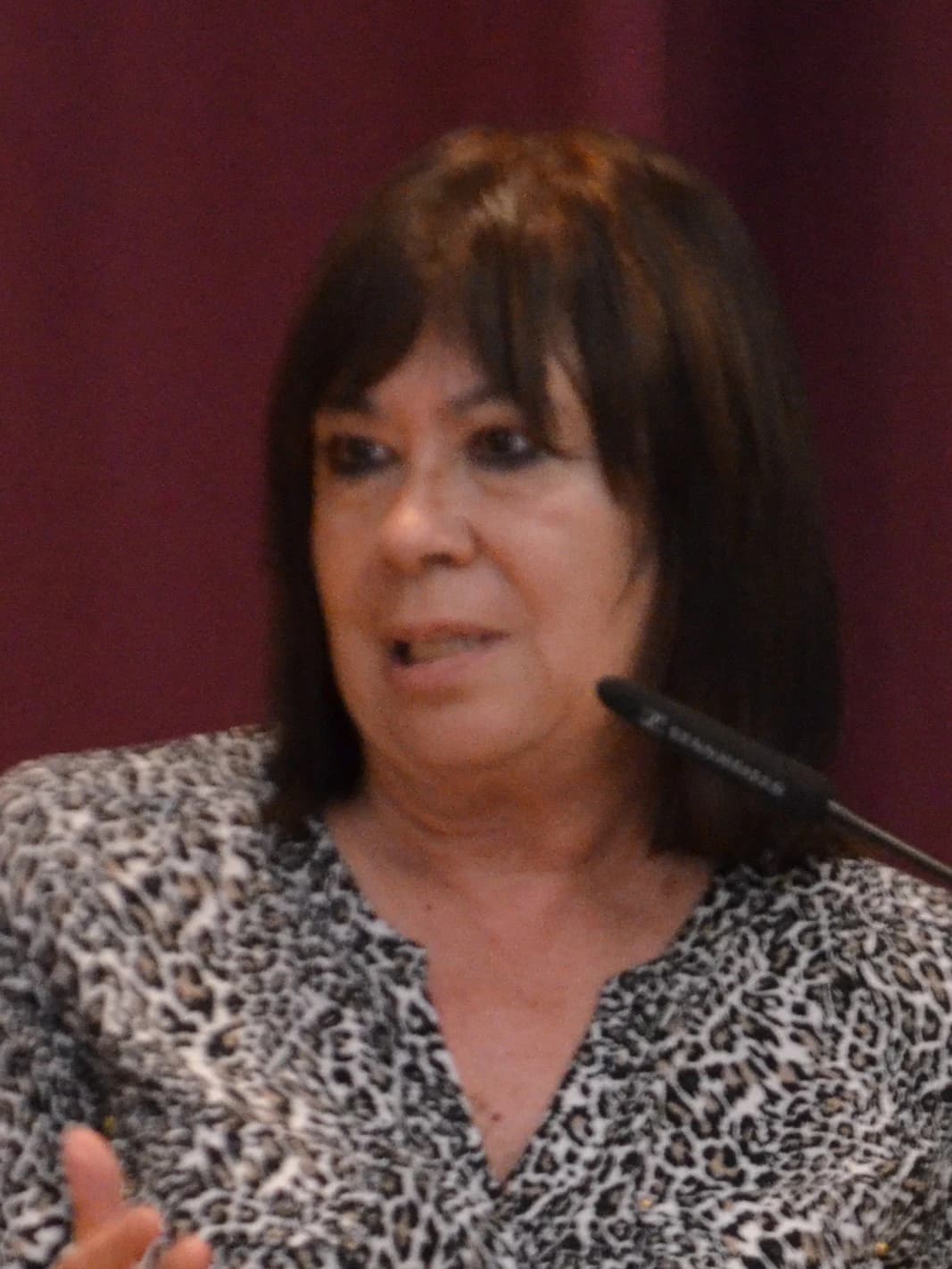
Rebeca Torró, the party’s organization secretary, will serve as general campaign coordinator. Montero, the deputy leader and one of the party’s most recognizable political figures, takes charge of strategy. Narbona, the party president, will oversee the election program. That division of labor suggests the PSOE wants to pair machine discipline with a clearer policy narrative, a crucial combination when incumbents face pressure over economic management, coalition politics and voter fatigue.
The broader economic significance is straightforward: elections in Spain can shape fiscal policy, labor rules, energy policy and the investment climate for banks, utilities, infrastructure and renewable power developers. Investors tend to watch campaign organization closely because it often determines whether a governing party can preserve policy continuity or is heading toward a messy mandate fight that could delay decisions on budgets, regulation and public spending.
The PSOE’s lineup also underscores how much weight it is placing on experienced operators rather than introducing a wholesale reset. Montero’s role points to a campaign built around credibility and control, while Narbona’s assignment to the platform signals the party wants its policy offer tightly aligned with the message it takes to voters. For markets, that usually means less emphasis on improvisation and more on whether the Socialists can keep their coalition narrative intact while resisting pressure from the opposition.
That makes the coming weeks important. The Oct. 17 internal ratification of candidate lists will give the first real test of party cohesion, and any signs of friction could matter as much as the campaign launch itself. If the PSOE can move quickly from structure to message, it improves its odds of entering the election with a disciplined operation. If not, the campaign risks becoming a referendum on internal management as much as on policy.
For investors, the takeaway is to watch Spain’s policy-sensitive sectors for signs of continuity or drift. A well-organized PSOE campaign increases the odds of a managed political transition, but it also sets the stage for a sharper contest over taxes, spending and regulation. The market is likely to favor clarity over drama — and the parties that can project it first.
| Entity | Gains | Losses |
|---|---|---|
| PSOE | ▲campaign discipline | ▼internal disarray |
| Rebeca Torró, Montero, Narbona | ▲political leverage | ▼room for dissent |
| Investors in Spain-sensitive assets | ▲policy visibility | ▼election uncertainty |
| Opposition parties | ▲benefit from any PSOE missteps | ▼lose if PSOE stays organized |