Organized crime is shaping how people vote in Rio de Janeiro’s favelas, turning Brazil’s presidential race into a contest not just of parties but of who controls territory, intimidation and access to the ballot box.
Brazil election faces crime pressure in Rio favelas
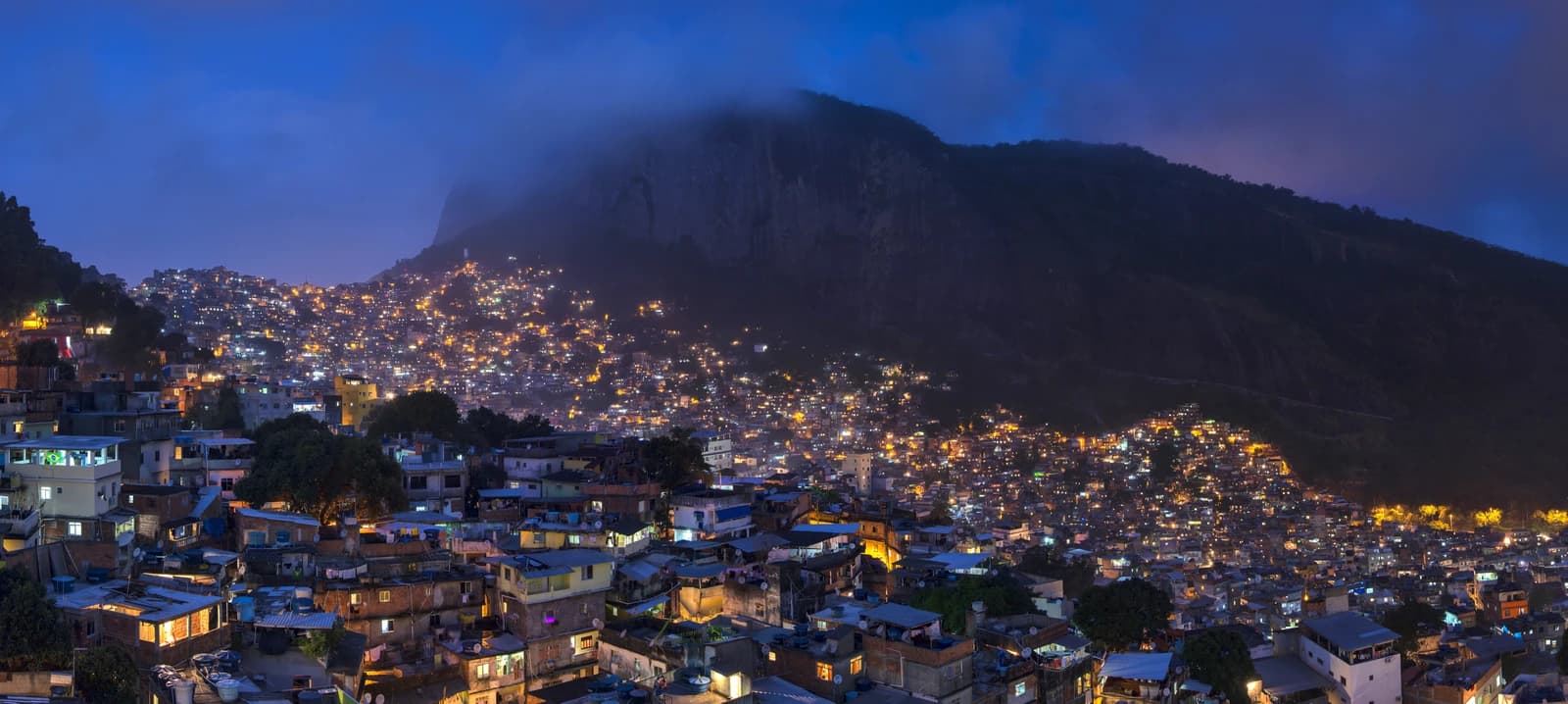
Residents in Maré and Cidade de Deus say candidates and local power brokers are pressuring voters, collecting identity details and in some cases demanding photos or videos as proof of how they voted on electronic machines. In some areas, polling stations have been moved this year to limit coercion.
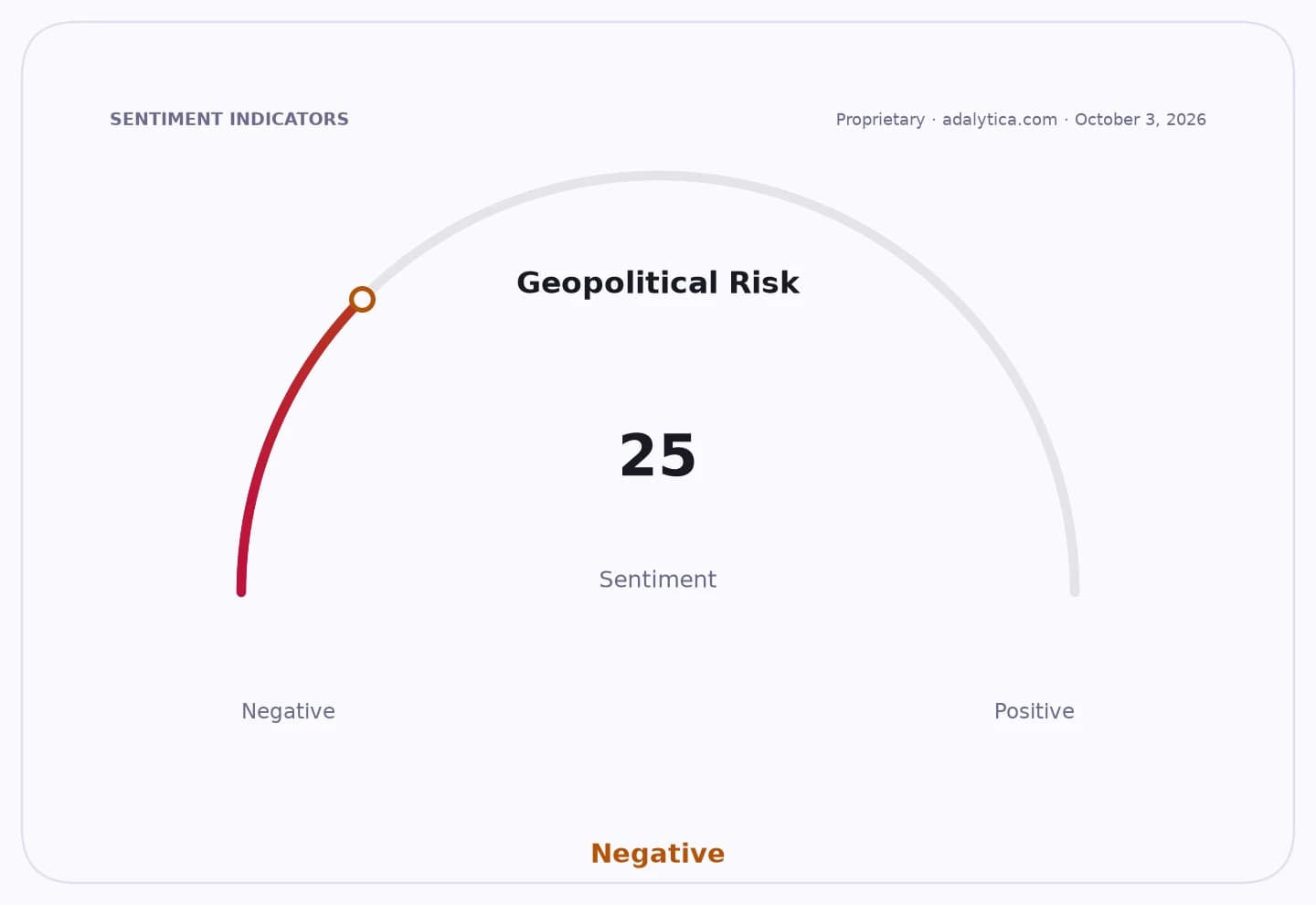
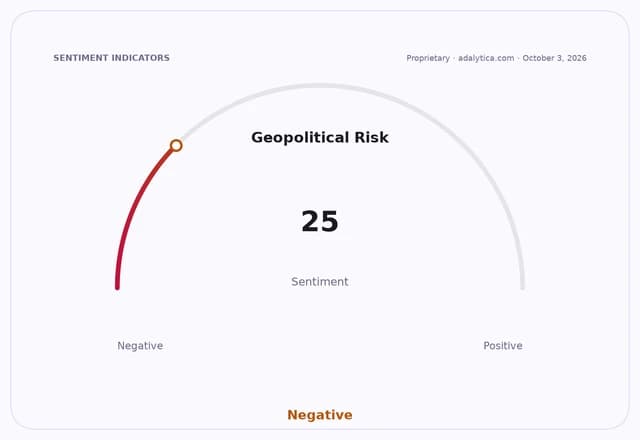
Sentiment IndicatorsⓘProprietary · adalytica.com · October 3, 2026
This is a snapshot — live sentiment, awareness and momentum for 130+ markets update continuously in the dashboard.Open AlphaPulse
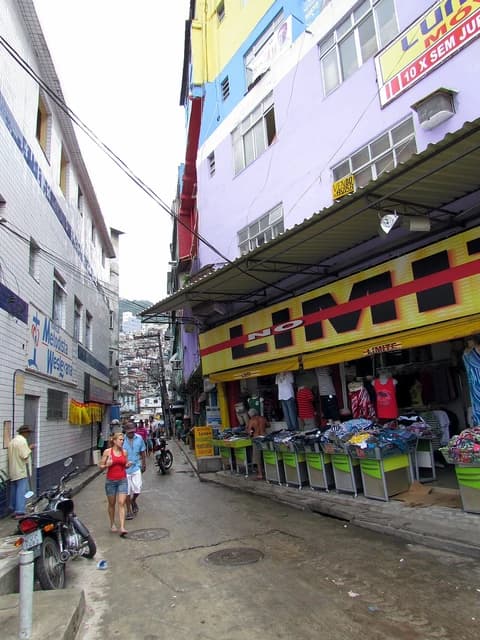
That matters economically because it underscores how criminal control distorts public spending, policing and investment in Brazil’s biggest economy. Militia groups linked to former military and police members are using elections to gain legitimacy and political influence, which can weaken law enforcement, entrench shadow governance and raise the cost of doing business in vulnerable neighborhoods.
For investors, the issue goes beyond a single election. Political capture by organized crime increases policy uncertainty, complicates security planning and adds a risk premium to Brazilian assets already sensitive to governance concerns, corruption scandals and social unrest.
The scale of the problem is hard to prove in court, but residents describe familiar tactics: lists of preferred candidates, registration forms, and rewards ranging from cooking gas canisters to food baskets or 100 reais after voting. Even where locals know the links between candidates and criminal groups, they say the connections are difficult to document and report.
The election also serves as a gateway for militias, which operate like criminal franchises in many Rio neighborhoods, to move deeper into formal politics. That makes the vote a test of whether Brazilian institutions can protect ballot secrecy in areas where the state’s presence is weak and armed groups set the rules.
Adalytica’s Global Stability Sentiment gauge is at 25, in “Fear,” with awareness at 4, or “Extreme Fear,” underscoring the wider market sensitivity to political instability. Brazil-listed assets have already shown volatility, with the EWZ ETF and Petrobras shares moving sharply over the past several sessions, as traders weigh the risk of governance shocks ahead of the October vote.
The key risk now is whether election authorities can keep polling stations accessible and voters protected in the favelas as campaigning intensifies. Any evidence that organized crime is shaping turnout or results could deepen scrutiny of the race and add fresh pressure on Brazilian risk assets.
| Entity | Gains | Losses |
|---|---|---|
| Organized crime groups | ▲Political influence | ▼Secrecy around coercion |
| Favela voters | ▲Short-term favors | ▼Free choice |
| Brazilian institutions | ▲Little | ▼Credibility in affected districts |
| Brazil assets | ▲Election turnout clarity | ▼Governance risk premium |