Lula’s trip to the United Nations is becoming a campaign liability, and that matters because Brazil’s election is now colliding with the machinery of the state itself.
Brazil TSE reviews Lula UN speech campaign use
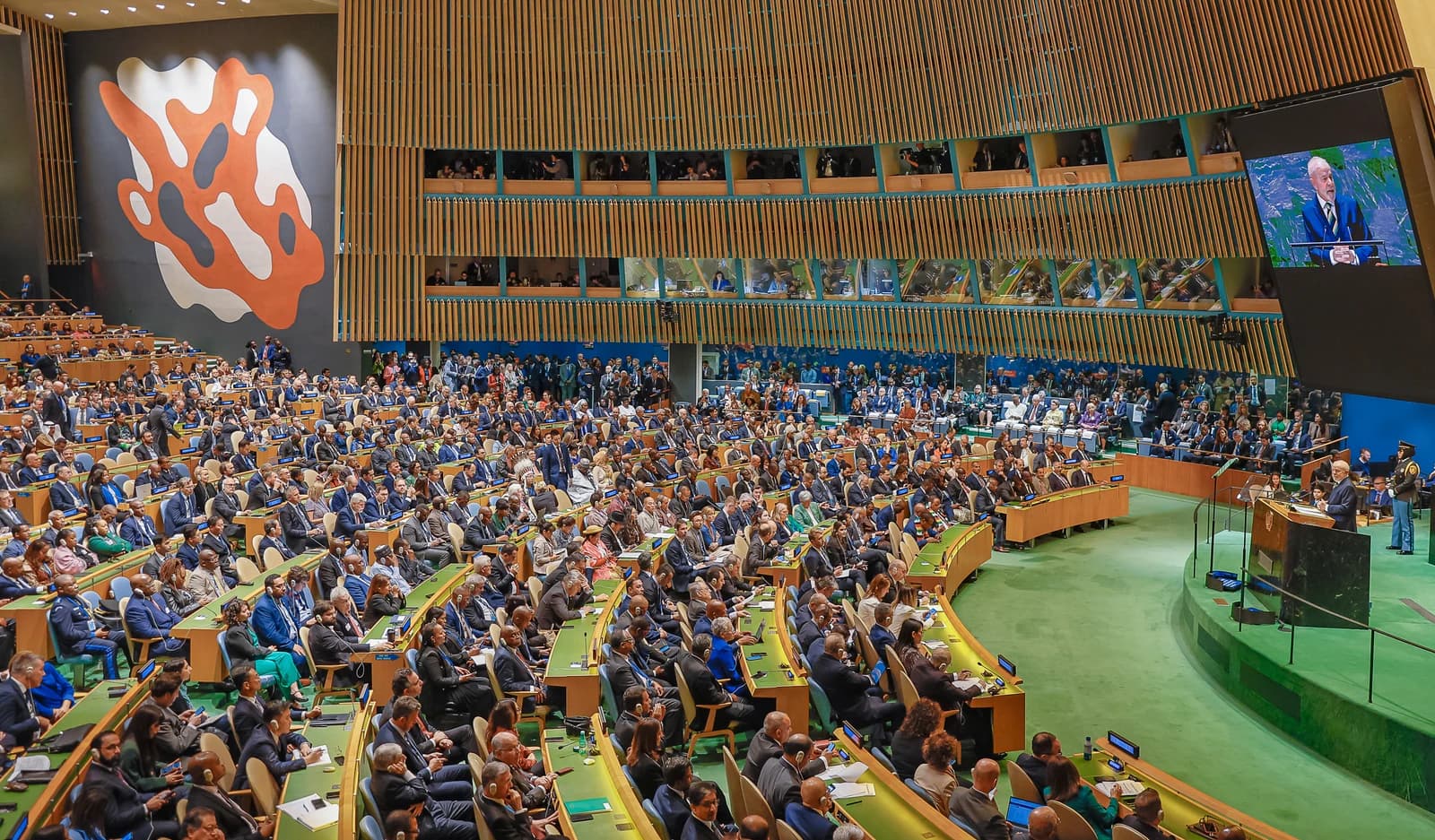
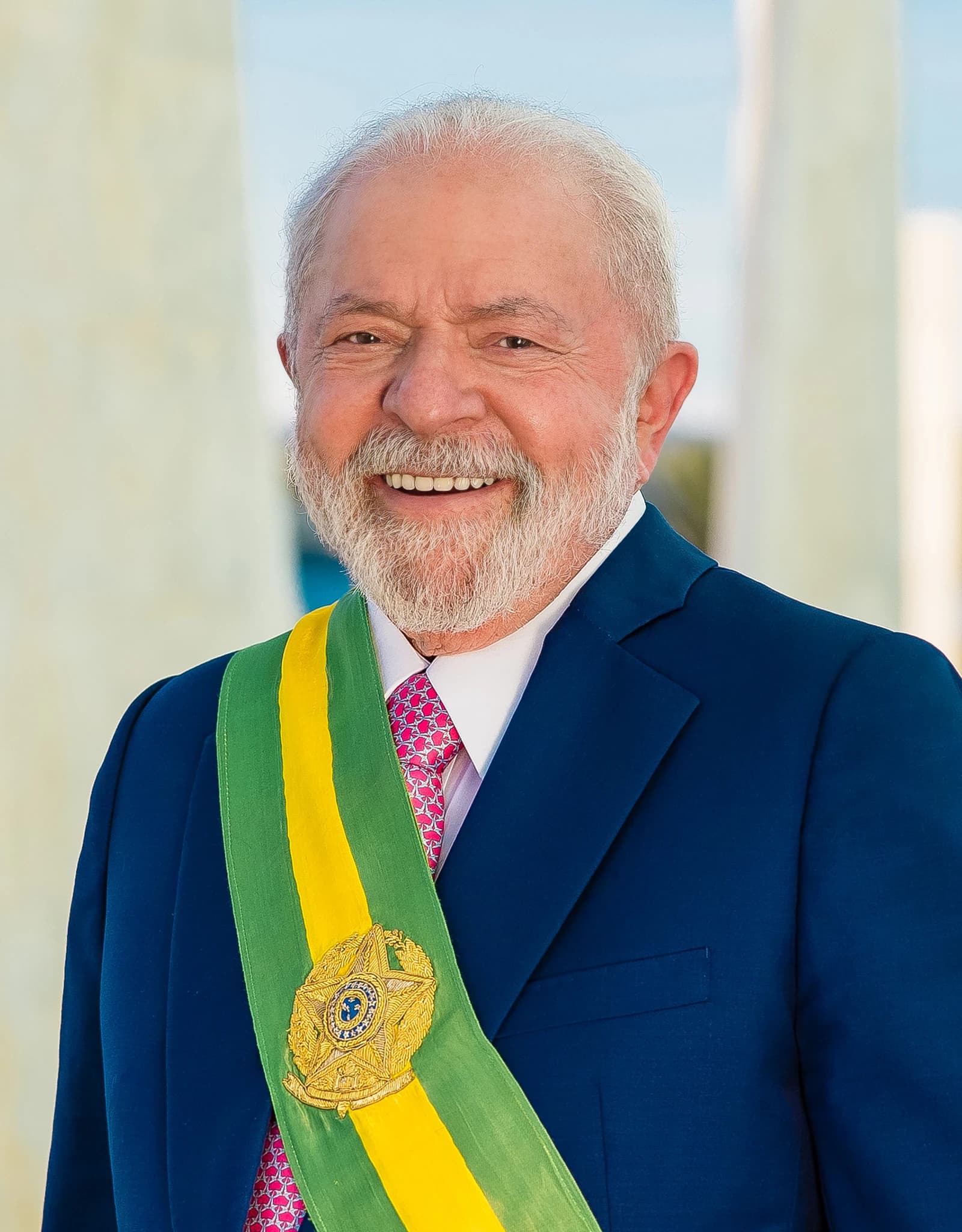
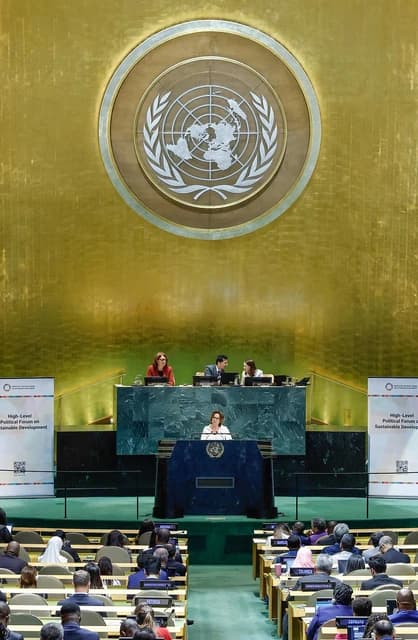
Flávio Bolsonaro’s campaign has asked the Superior Electoral Court to bar President Luiz Inácio Lula da Silva from using images and other material from his UN General Assembly speech in political advertising, arguing the address in New York was “typically electoral” rather than a statement of state. The move is more than another legal skirmish in Brazil’s polarized race: it is an attempt to police how far a sitting president can turn an international stage into domestic campaign ammunition.
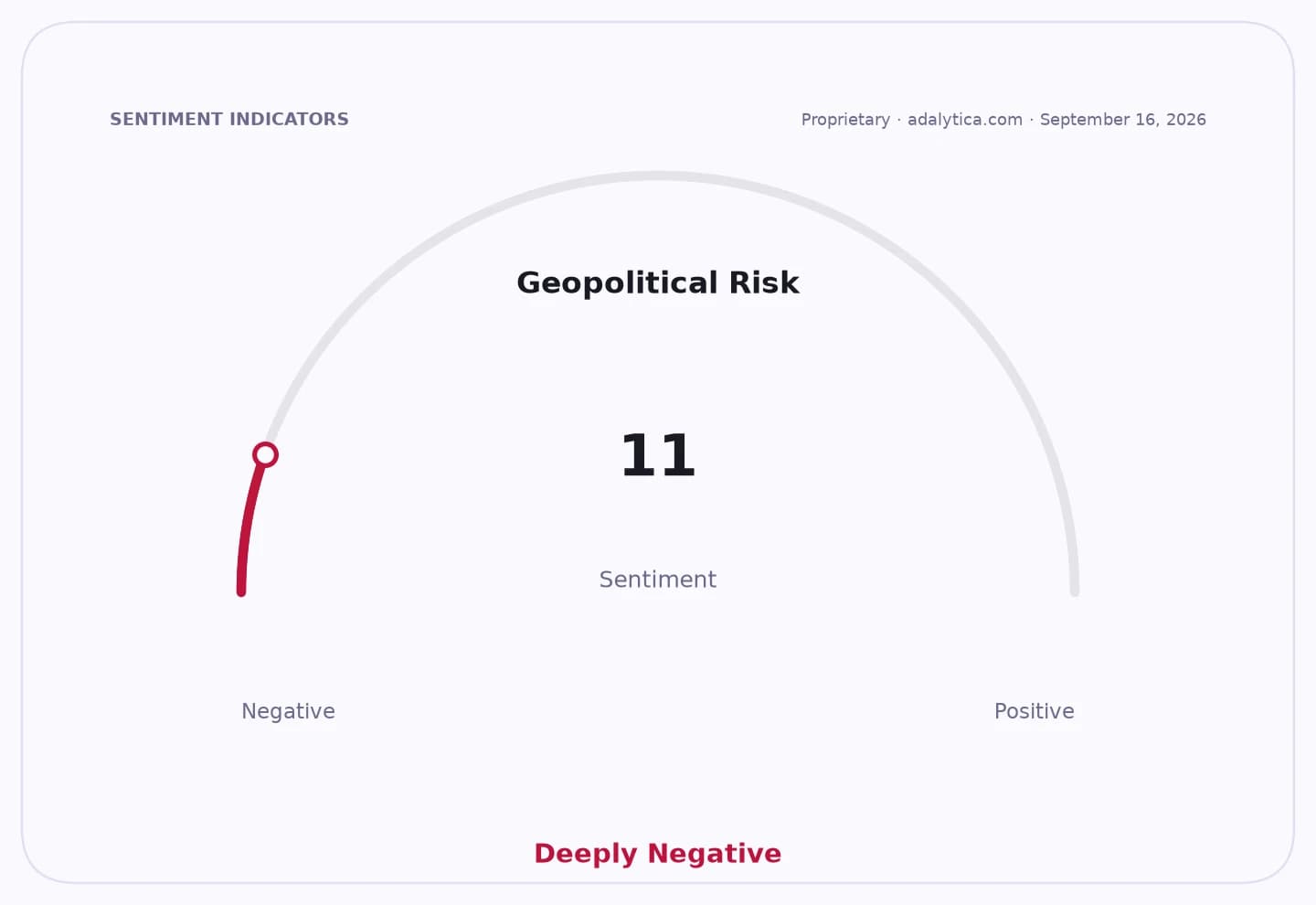
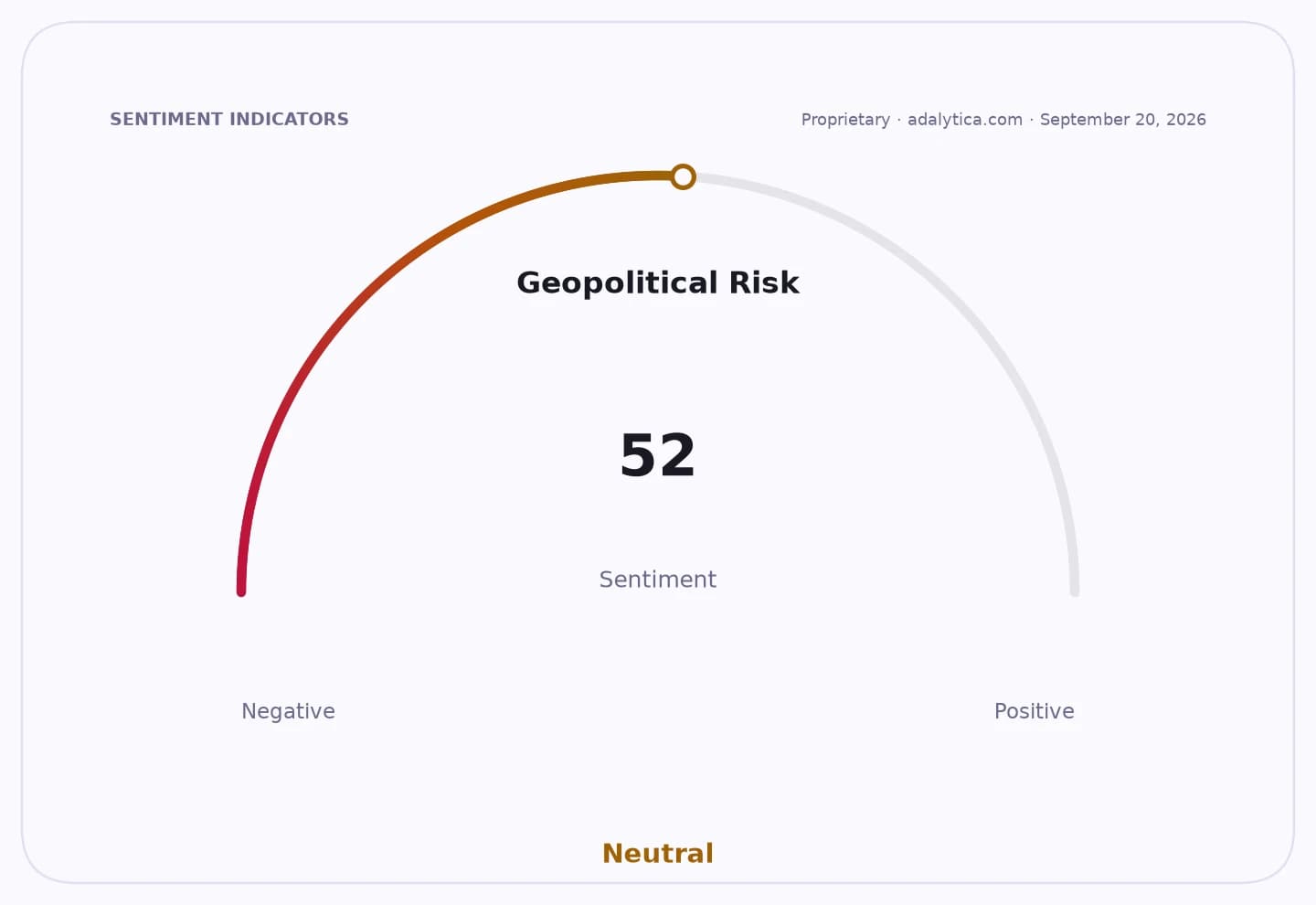
Sentiment IndicatorsⓘProprietary · adalytica.com · September 28, 2026
This is a snapshot — live sentiment, awareness and momentum for 130+ markets update continuously in the dashboard.Open AlphaPulse
That distinction matters economically because Brazil is heading into an election season that will shape policy on taxes, regulation, fiscal discipline and state intervention across the world’s largest Latin American market. Investors do not trade campaign rhetoric in a vacuum; they trade the probability that a candidate can convert office, public resources and global visibility into an incumbent advantage. If the court accepts any part of the complaint, it would limit Lula’s ability to reuse one of the most high-profile appearances of his campaign and could curb a tactic that opposition lawyers say has been repeated in livestreams and podcasts from the presidential palace.
The campaign says it has already filed about 15 actions this year over alleged misuse of public machinery. This latest filing goes after a speech that touched on betting, the end of the 6x1 work schedule and national sovereignty — all politically charged themes that resonate with voters but also underline how thin the line is between governance and electioneering in Brazil. The legal team, led by former TSE minister Maria Cláudia Bucchianeri, wants the court to forbid the use of public assets, ceremonies and services in campaign promotion, a reminder that the election is also a test of institutional restraint.
For investors, the bigger story is not the speech itself but the governance risk premium it keeps alive. Brazil assets tend to respond when politics starts to look less like policy and more like institutional combat. The iShares MSCI Brazil ETF, EWZ, has recently been trading above its 50-day moving average and roughly in line with its 200-day average, but momentum has cooled sharply, with the relative strength index slipping back toward oversold territory after an earlier surge. That combination suggests a market waiting for legal clarity, not conviction.
Banco Bradesco, which carries exposure to Brazil’s domestic credit cycle and policy backdrop, has also seen a volatile run. The stock has hovered near its 50-day and 200-day averages, reflecting the market’s reluctance to assign a clean macro winner while politics stay noisy. In that environment, banks, utilities, consumer lenders and other rate-sensitive names remain hostage to whether the next government leans toward discipline or populism.
The market underestimates how much this kind of legal friction can matter before the vote is even decided. Brazil’s election is not just about who wins; it is about whether the rules of the campaign remain credible enough to keep capital from pricing in a bigger institutional discount. If the TSE draws a bright line around what counts as state activity versus campaign content, that will matter for every future incumbent. If it does not, the opposition will keep pushing the argument that Lula is campaigning with the state behind him — and markets will keep demanding a higher risk premium for Brazil.
For investors, the takeaway is straightforward: stay exposed to Brazil only where you are being paid for volatility, and favor names that benefit if the legal and political noise eventually gives way to policy clarity.
| Entity | Gains | Losses |
|---|---|---|
| Flávio Bolsonaro campaign | ▲Legal leverage | ▼Lula’s campaign narrative |
| Lula / PT | ▲Campaign exposure if court allows use | ▼If TSE restricts UN material |
| TSE | ▲Institutional authority | ▼If seen as politically pressured |
| EWZ investors | ▲Volatility trading opportunities | ▼Clear policy visibility |
| Brazil banks / domestic equities | ▲Stability if legal risk eases | ▼Higher risk premium if conflict escalates |