The Communist Party in Haute-Saône is using a wave of social protests, including recent student demonstrations, to prepare its ground campaign for France’s next presidential election, betting that anger over wages, pensions and public services can help it reconnect with voters.
PCF Haute-Saône builds 2027 ground campaign
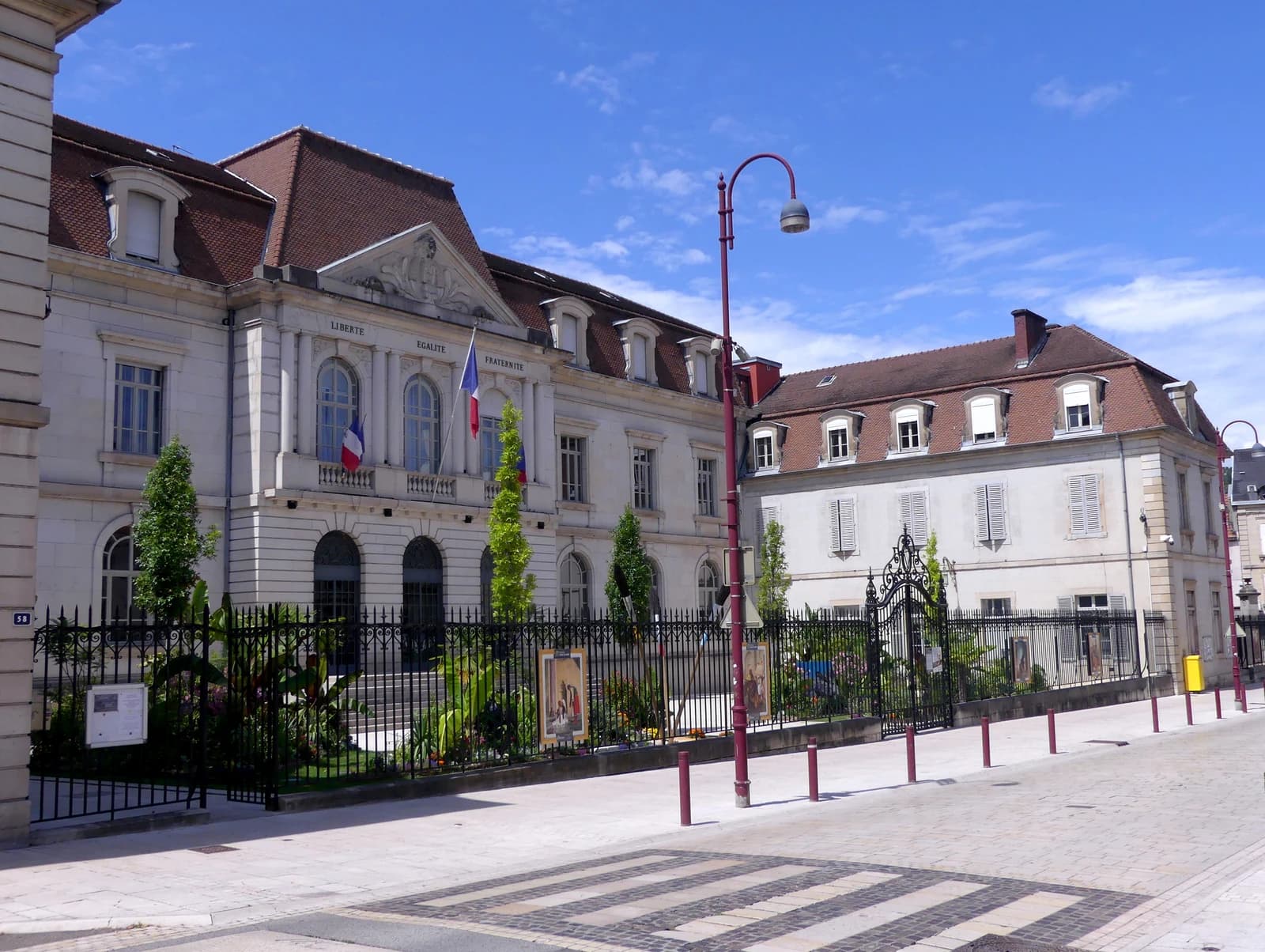
The local federation of the PCF says it wants to “give voice back to the population,” with secretary Jean-Pierre Poinsot arguing there is “urgency” to build a stronger social balance of power. That message matters because the party is trying to turn street mobilization into electoral momentum at a time when pressure on household incomes and public-sector services remains a live political issue.
Nationally, the communists have already settled on a candidate in Fabien Roussel, allowing the party to focus on organization rather than an internal race. In Haute-Saône, the campaign will be built through leafleting, posters and public meetings, a traditional ground game aimed at keeping the party visible in a department where it says it has a territorial network and a newly elected departmental council of 24 members.
The youth wing is also trying to widen the party’s reach. The federation of the Mouvement jeunes communistes de France in Haute-Saône, created in March 2025, is backing the student protests and calling on supporters to join them, reinforcing the party’s effort to tie its presidential message to broader social discontent.
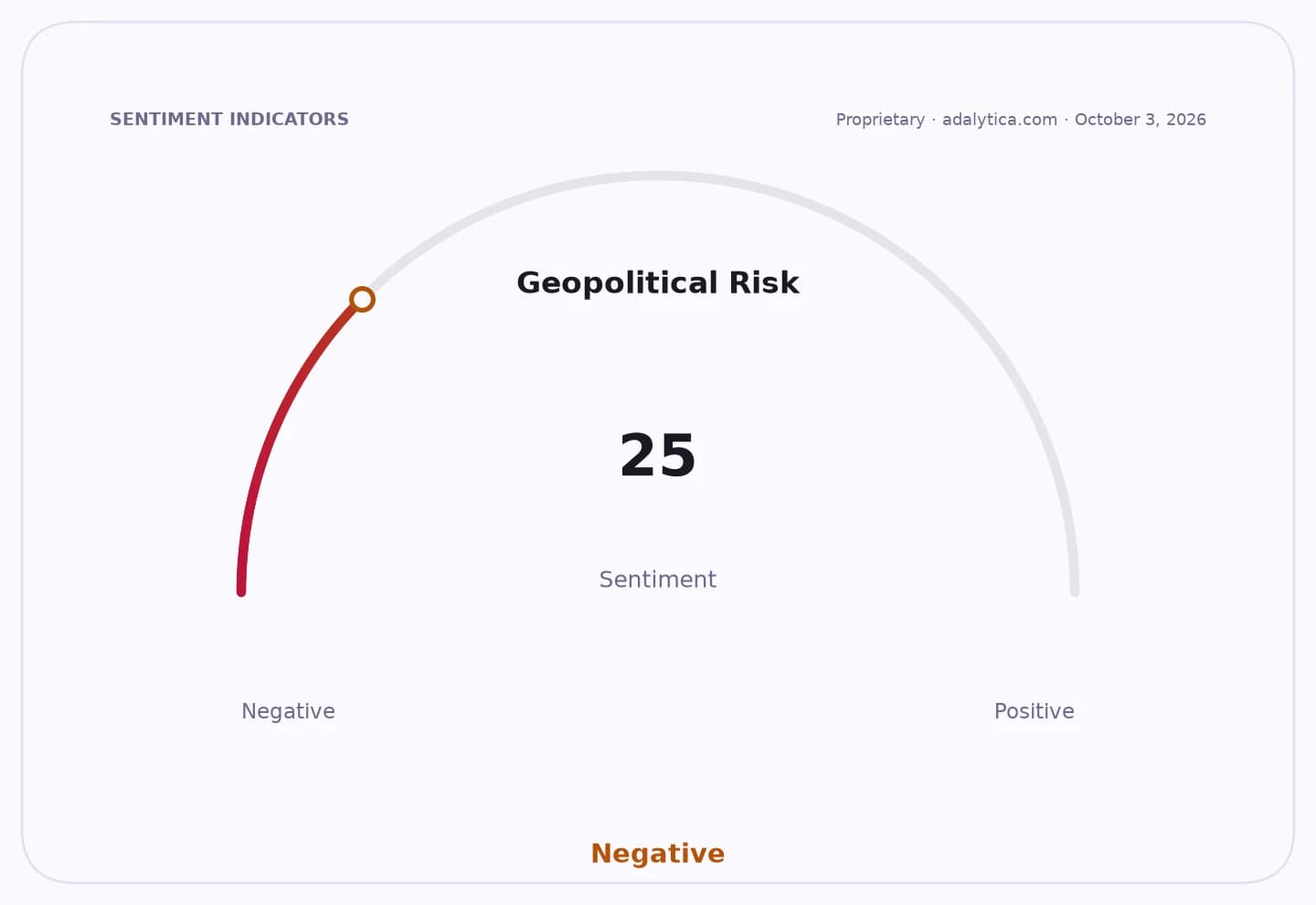
For investors, the political significance is less about immediate market moves than the risk that pensions, wages and public spending stay at the center of France’s policy debate into the campaign. Any sustained rise in protest activity can increase pressure on parties to promise more spending or labor-friendly measures, a mix that matters for fiscal policy, local business sentiment and sectors exposed to regulation.
The key test will be whether the PCF can convert protest energy into durable support beyond its traditional base as the presidential race accelerates. If social unrest keeps building, the party’s message could resonate more broadly; if it fades, the campaign risks remaining a local mobilization with limited national reach.
| Entity | Gains | Losses |
|---|---|---|
| PCF Haute-Saône | ▲Campaign visibility | ▼Risk of limited national reach |
| Fabien Roussel / PCF | ▲Clearer presidential line | ▼Pressure to turn protest into votes |
| Student protesters | ▲Political backing | ▼No immediate policy wins |
| Mainstream parties | ▲Need to respond to social issues | ▼More pressure on fiscal promises |