Pedro Sánchez is turning Spain’s housing anger into an early-election gamble, betting that voters will choose social protection over the far right as protests over affordability intensify and pressure his government to act.
Spain housing crisis and election risk
That matters because housing has become more than a social issue in Spain; it is now a macro risk that can reshape consumption, confidence and capital flows in one of the euro zone’s larger economies. When rents outrun wages and eviction scenes dominate the political conversation, the fallout is not limited to ballot boxes. It can harden policy around landlords, developers and banks, while making investors demand a bigger risk premium for Spanish assets if the country slips into a more polarized, less predictable policy regime.
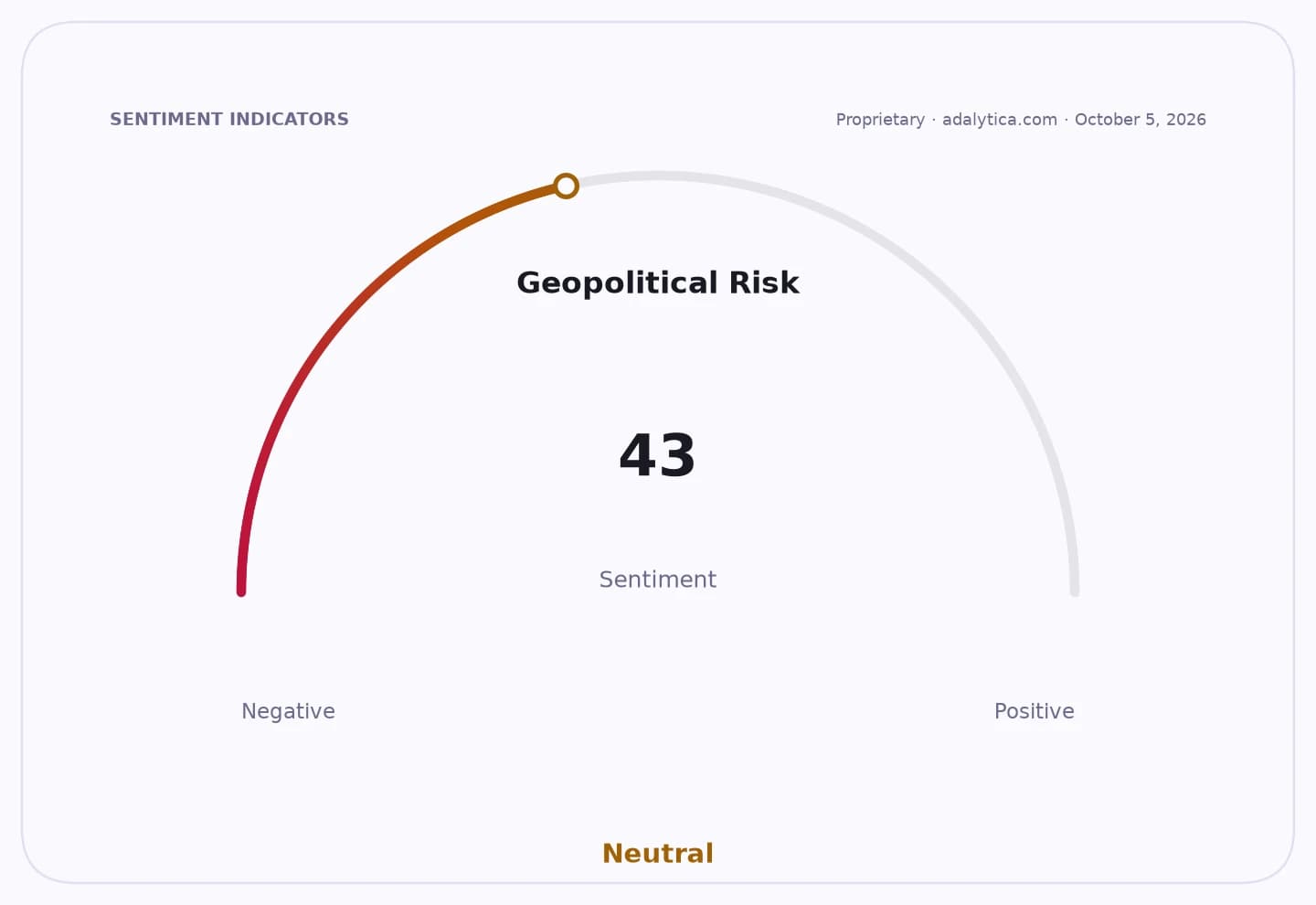
Sentiment IndicatorsⓘProprietary · adalytica.com · October 5, 2026
This is a snapshot — live sentiment, awareness and momentum for 130+ markets update continuously in the dashboard.Open AlphaPulse
The prime minister is expected to make a formal statement from Moncloa on whether to bring forward general elections, with a vote potentially as early as Nov. 29. That timing alone makes the housing dispute more consequential. Sánchez is effectively asking Spaniards to decide whether they want “the far-right wave” or to keep Spain a “bastion of social justice,” language that frames the election as a referendum on social spending, migration and property-market intervention. For markets, that means the campaign could quickly become a trade on policy continuity versus a harsher swing toward populism.
The backdrop is ugly. Spain is facing sustained protests, including tent camps in Madrid’s Puerta del Sol, after an 87-year-old retiree’s eviction intensified public outrage. The government has yet to deliver a decisive decree to tackle the crisis, leaving households, tenants and younger voters frustrated. In a market where affordability is already stretched, that delay deepens the risk that political credibility erodes faster than the housing shortage can be fixed.
Investors should read this as a warning that Spain’s policy mix is moving into a more volatile phase. A left-leaning response could mean more rent controls, tougher rules for landlords and more pressure on property returns. A rightward shift could bring friendlier treatment for developers and homeowners, but also a sharper confrontational tone that can unsettle coalition arithmetic and delay fiscal execution. Either way, the housing problem is not going away quickly, which means the winners are likely to be companies that supply housing, financing or infrastructure rather than those that depend on easy policy visibility.
That tension helps explain the market behavior. The iShares MSCI Spain ETF, EWP, has slipped to about $58.31 from above $62 in mid-September, while the iShares MSCI Europe Financials ETF, EUFN, has also weakened, with both now trading below their recent 50-day moving averages. Technical indicators such as RSI readings show momentum has cooled, suggesting investors are trimming exposure rather than buying the dip. For banks and financials, the issue is not immediate credit stress so much as the possibility of a more interventionist Spain becoming less attractive in a period when Europe already faces sluggish growth and political fragmentation.
The broader euro-area message is even more important. Adalytica’s Euro Trade Signals show heightened awareness around the currency complex, while global stability sentiment remains fragile. Spain is not isolated from that backdrop. A fresh election, especially one fought over housing and social justice, could feed the same anti-establishment currents that have already shaped politics across Europe. That raises the odds of policy swings that investors dislike: slower reform, more fiscal populism and less certainty around property, banking and labor rules.
My view is that the market is underpricing how central housing has become to Spanish political risk. This is not just a domestic story about rents and eviction. It is a catalyst for a wider repricing of Spanish policy risk, with direct implications for financials, real estate-linked names and the euro’s political discount. If Sánchez calls the vote, traders should expect volatility to rise before the first ballot is cast.
For investors, the setup argues for caution on Spain-sensitive financial exposure and selective interest in housing beneficiaries with pricing power and balance-sheet strength. The next catalyst is the election announcement itself. After that, the real trade will be in which party can credibly promise relief without choking the property market or scaring capital away.
| Entity | Gains | Losses |
|---|---|---|
| Sánchez/left bloc | ▲Mobilizes social base | ▼Faces housing backlash |
| Far-right/opposition | ▲Gains protest fuel | ▼Suffers if social justice frame sticks |
| Spanish banks | ▲Potential policy clarity | ▼Higher political-risk discount |
| Property owners/developers | ▲Could benefit from reform clarity | ▼Risk rent controls and regulation |