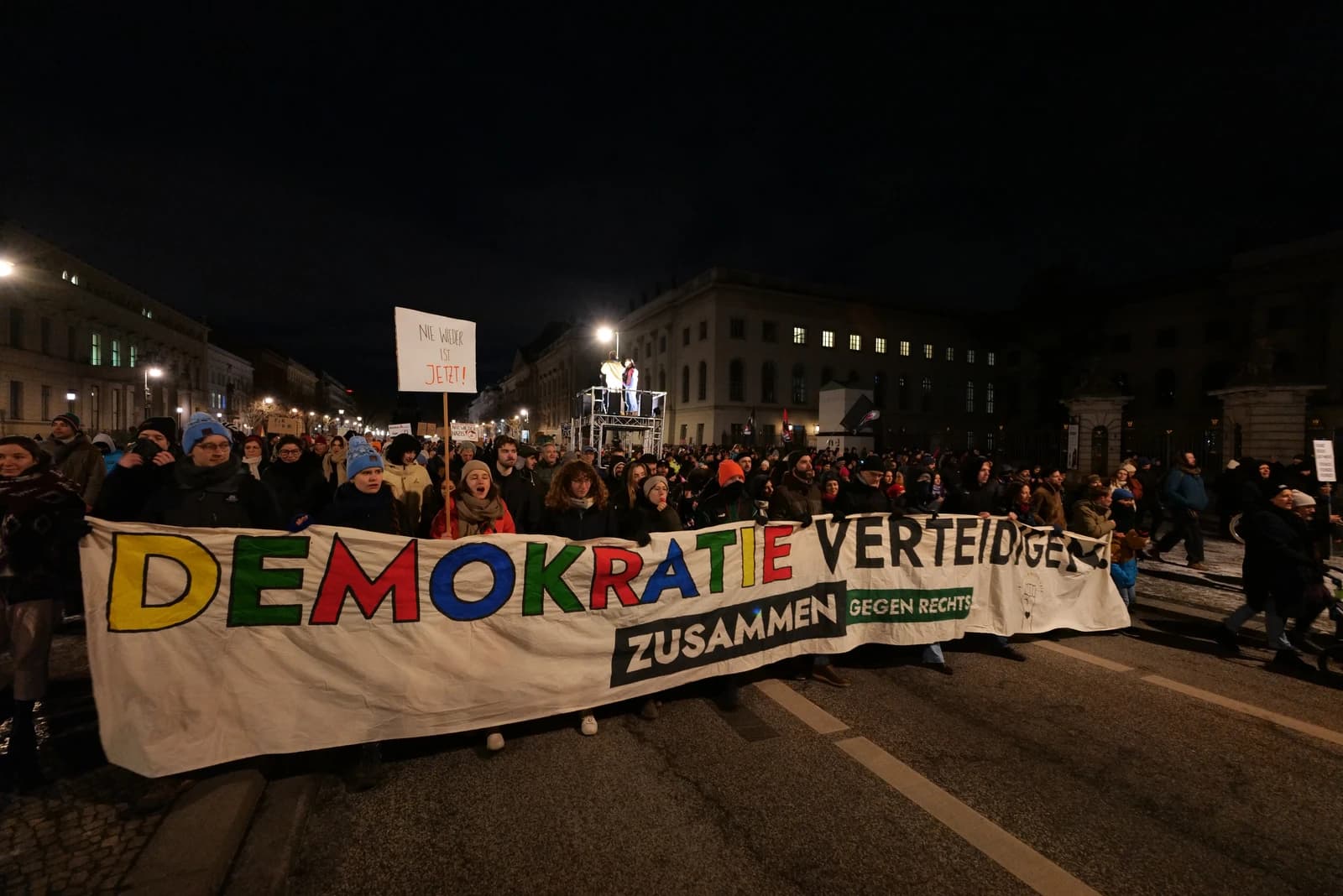
The biggest political shift in Europe right now is not a single election, but the steady normalization of far-right and nationalist parties across the continent’s largest economies.
Europe far right gains ground in major economies

That matters because these parties are no longer confined to protest politics. They are closing in on power in France, Spain and Poland, already govern Italy, and are coordinating more openly on the issues that move markets: immigration, trade, regulation, farm policy and the balance of power between national capitals and Brussels.
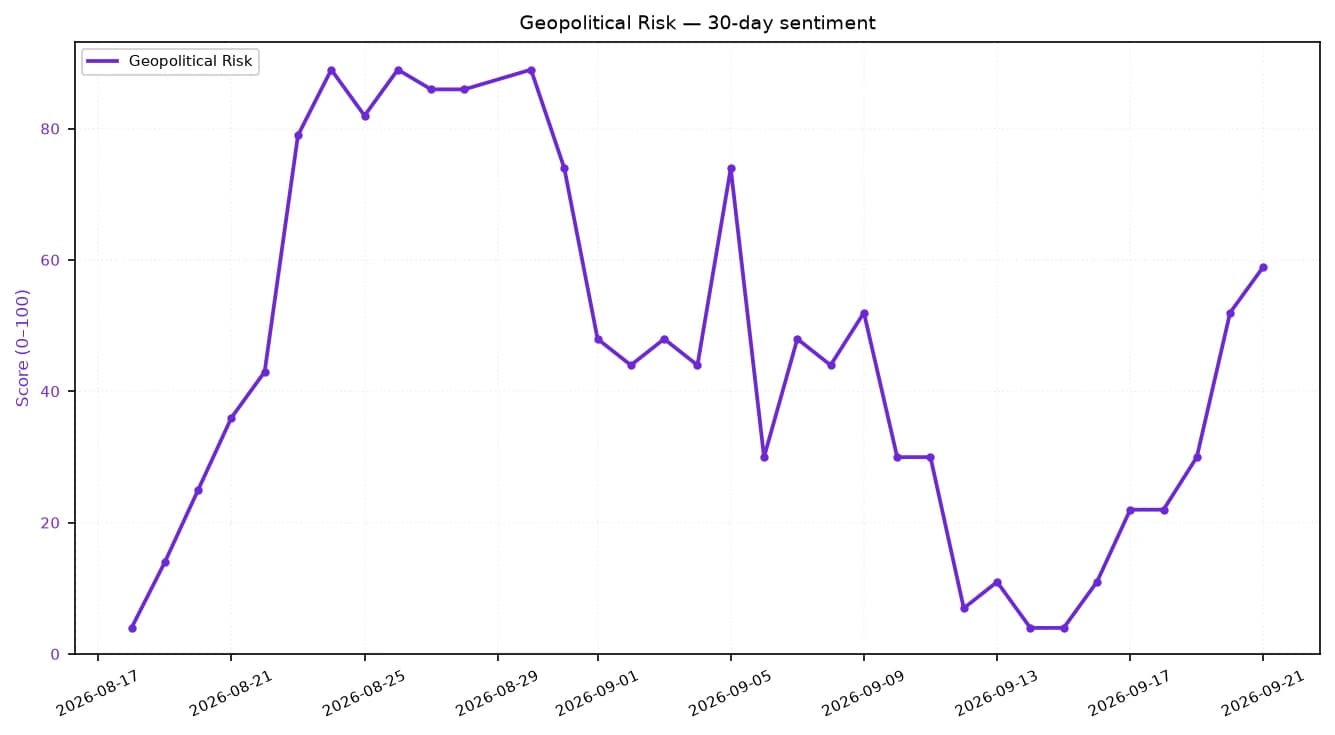
Sentiment IndicatorsⓘProprietary · adalytica.com · September 6, 2026
This is a snapshot — live sentiment, awareness and momentum for 130+ markets update continuously in the dashboard.Open AlphaPulse
For investors, the significance is less about ideology than policy direction. A Europe that tilts further to the right is likely to be tougher on migration, slower to deepen integration and more willing to challenge the European Union’s green agenda. That combination could shape labor supply, inflation, fiscal spending, energy policy and the region’s long-term appeal to global capital.
In France, Marine Le Pen is preparing another presidential run in 2027 after a court conviction in a European Union funds case did not remove her eligibility. Polls suggest her National Rally could be headed for a strong showing in the second round, potentially against either a centrist successor to Emmanuel Macron or an opponent from the far left. The key point for investors is that France’s center is weakening while the political extremes gain ground — a sign of a more volatile policy landscape in the euro zone’s second-largest economy.
Le Pen’s party has moved well beyond talk of leaving the euro. Instead, it is focusing on tighter immigration controls, “national preference” in jobs and housing, and tougher resistance to parts of the EU’s Green Deal. That is a practical shift with economic consequences. If implemented, it could affect labor markets, corporate hiring, consumer demand and the relationship between Paris and Brussels.
Spain could prove just as important. Elections are expected by August, and polls point to a possible majority for the center-right Popular Party and the far-right Vox, which already cooperate in regional and municipal governments. Vox is pushing a harder line on immigration, deregulation and a more confrontational stance toward the EU, including greater use of vetoes in Brussels. If it gains national influence, Spain could move from a relatively pro-EU posture to a more combative one at a moment when the bloc is already struggling to maintain consensus.
Italy is the clearest example of how far-right politics have entered the mainstream. Giorgia Meloni has been in power since 2022 and has shown far more pragmatism than some of her rhetoric once suggested. But she now faces pressure from an even more hardline rival, Roberto Vannacci’s National Future movement, which is polling around 7.6%. That kind of fragmentation can pull the political debate further to the right even when the governing party is trying to stay market-friendly.
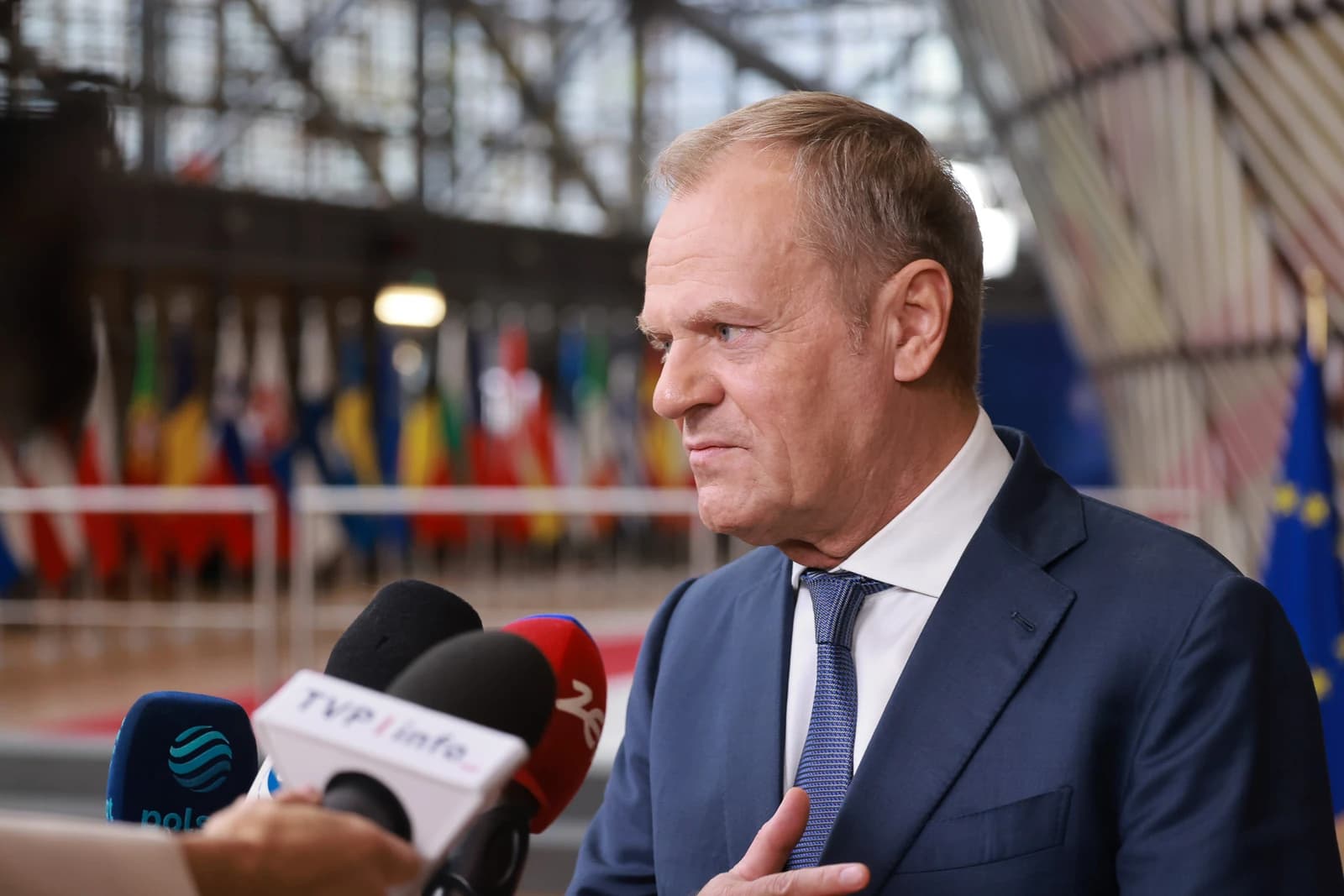
Poland adds another layer of risk for European decision-making. There, far-right parties are positioning themselves to challenge Donald Tusk’s centrist government, with the possibility of a broader conservative alliance should the government fall. Any shift in Warsaw would matter because Poland is one of the EU’s most important eastern members and a key player on Ukraine, migration and the rule of law.
The deeper narrative is that Europe’s far right is no longer just protesting the system — it is increasingly setting the agenda. That makes Brussels’ job harder, not easier. It also raises the odds of policy drift on climate rules, farm subsidies, border controls and national budget priorities, all of which can influence corporate profits and investor returns over time.
The market reaction is not necessarily immediate or dramatic, but the long game is clear. More fragmented politics usually mean more uncertainty, more veto threats and less predictable policy. That can hurt the euro, complicate bond markets and make it harder for companies to plan capital spending in Europe. On the other hand, sectors tied to defense, border security, domestic infrastructure and select industrial names could benefit if governments pivot toward sovereignty and away from pan-European regulation.
| Entity | Gains | Losses |
|---|---|---|
| Far-right parties | ▲More power and agenda-setting | ▼Harder scrutiny |
| Brussels / EU institutions | ▲Limited gains | ▼More vetoes and friction |
| Nationalist voters | ▲Stronger representation | ▼Slower compromise |
| Europe-focused investors | ▲Potential defense and security themes | ▼Policy uncertainty and volatility |