The biggest change in Spain’s housing market is no longer about homeowners and mortgage stress — it is about renters, and that shift matters for the economy, policymakers and property investors alike.
Spain Housing Shift From Mortgages to Rent
That is the key message from housing-law expert Teresa Alonso Pérez, who argues that the post-2008 crisis was defined by families trying to keep homes they had bought on credit, while today the pressure has moved decisively into the rental market. In her telling, middle- and lower-middle-income households that once would have bought are now being pushed into rent because they cannot access ownership, with young people, immigrants and low-income families hit hardest.
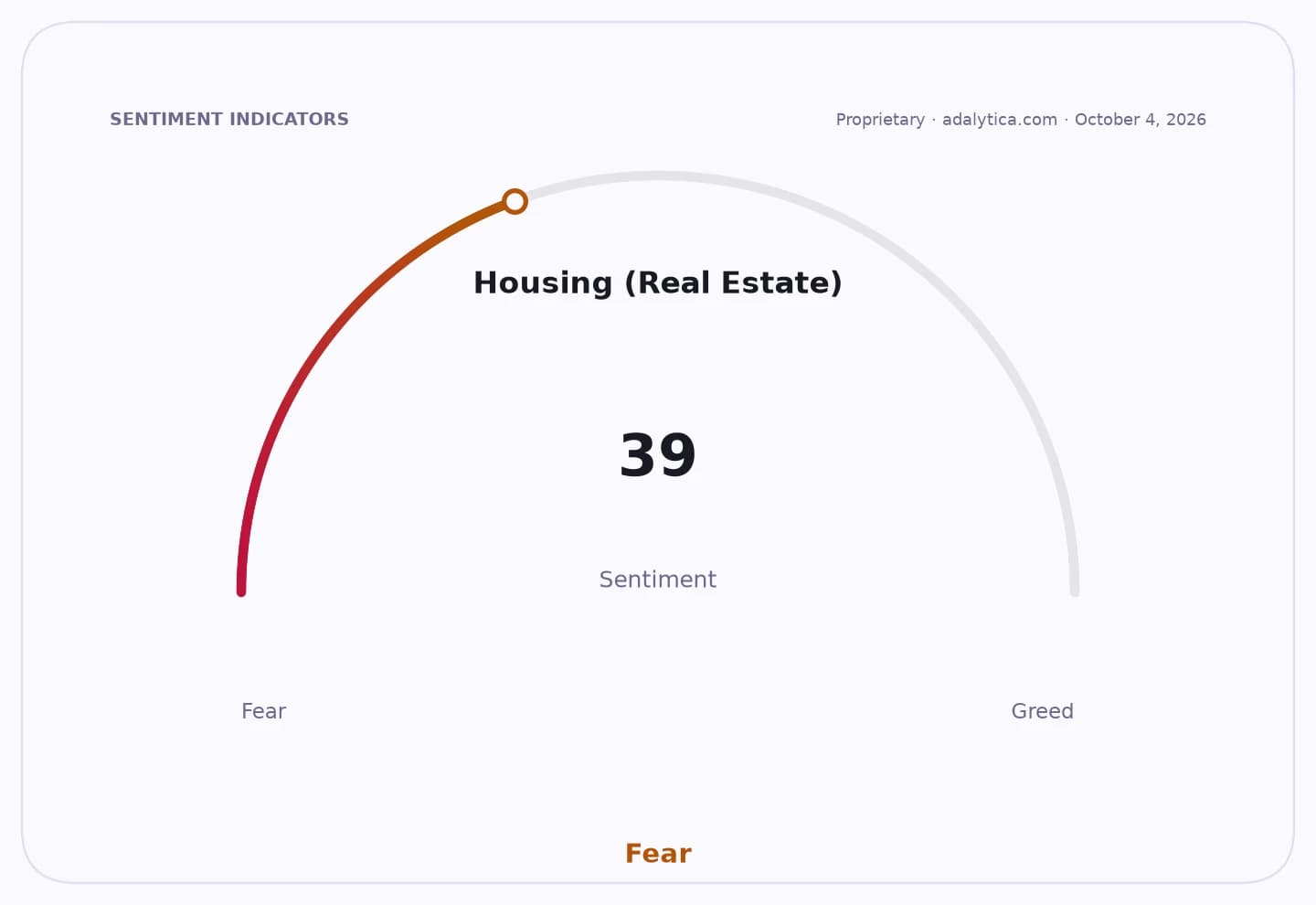
Sentiment IndicatorsⓘProprietary · adalytica.com · October 4, 2026
This is a snapshot — live sentiment, awareness and momentum for 130+ markets update continuously in the dashboard.Open AlphaPulse
Economically, that is a bigger structural problem than a cyclical one. Spain still remains a country of owners, but the growing dependence on rent is a sign that housing affordability is no longer just a balance-sheet issue for indebted borrowers. It is now a monthly cash-flow burden for households that have fewer protections and, crucially, fewer alternatives. When the market shifts from mortgages to rents, the squeeze becomes harder to resolve because the state must either expand social housing, subsidize tenants or accept more intervention in private contracts.
That is where the policy gap becomes central. Alonso Pérez says recent protections for vulnerable tenants were meant to keep families housed until an alternative could be found, but public authorities often had no replacement housing available. Spain, she argues, failed to build a large enough stock of affordable social rental homes years ago, and the shortage is now acute. In other words, the real bottleneck is not only regulation, but supply.
The investment angle is straightforward: a housing market dominated by rent becomes more exposed to political risk. If governments keep layering on tenant protections without creating more affordable units, landlords face tighter rules, longer eviction timelines and more payment uncertainty. That can discourage supply at the margin and push rents higher, exactly the outcome critics warn about. Investors in Spanish residential property, especially landlords with concentrated exposure to lower-income rental demand, have to watch that tension closely.
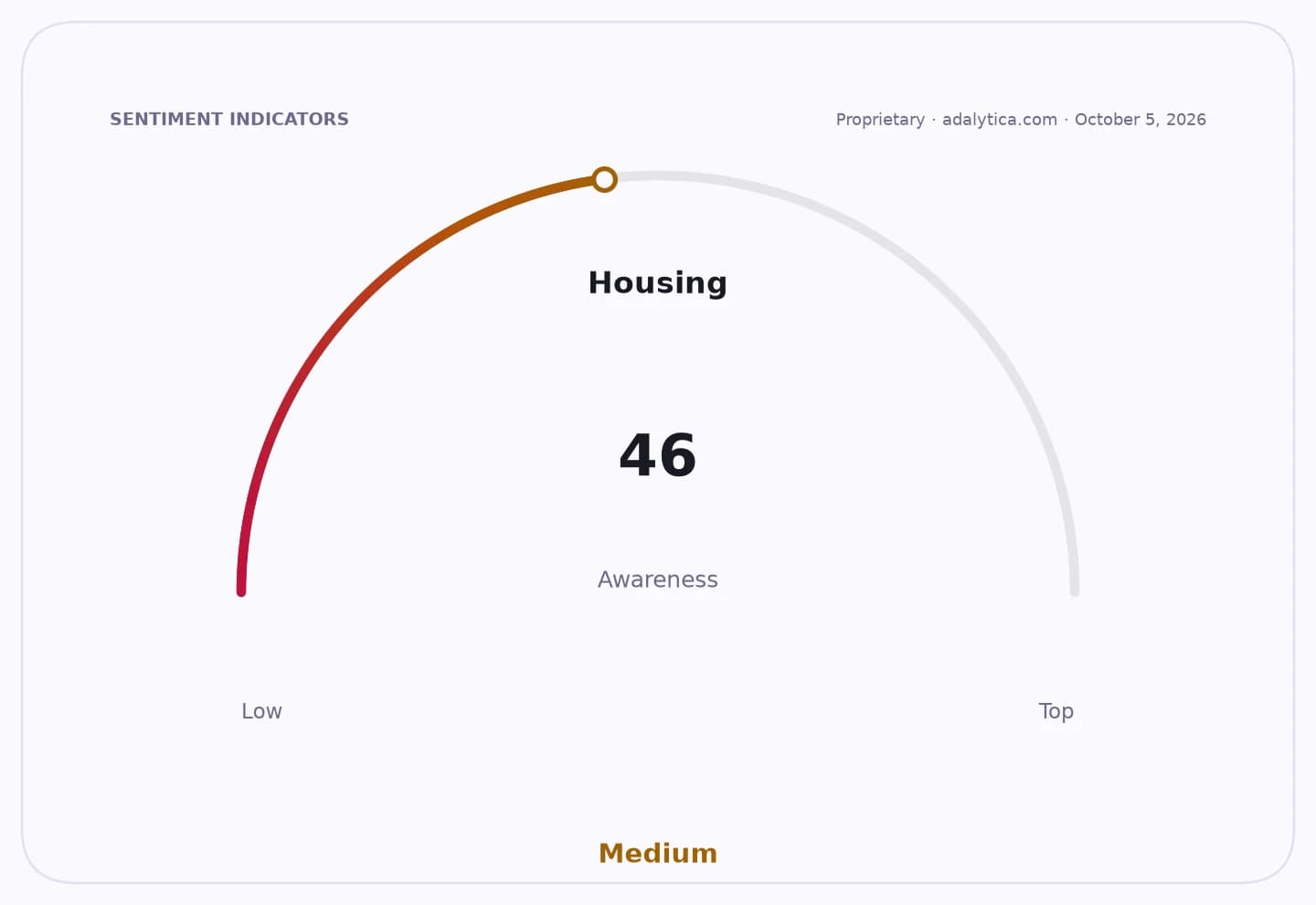
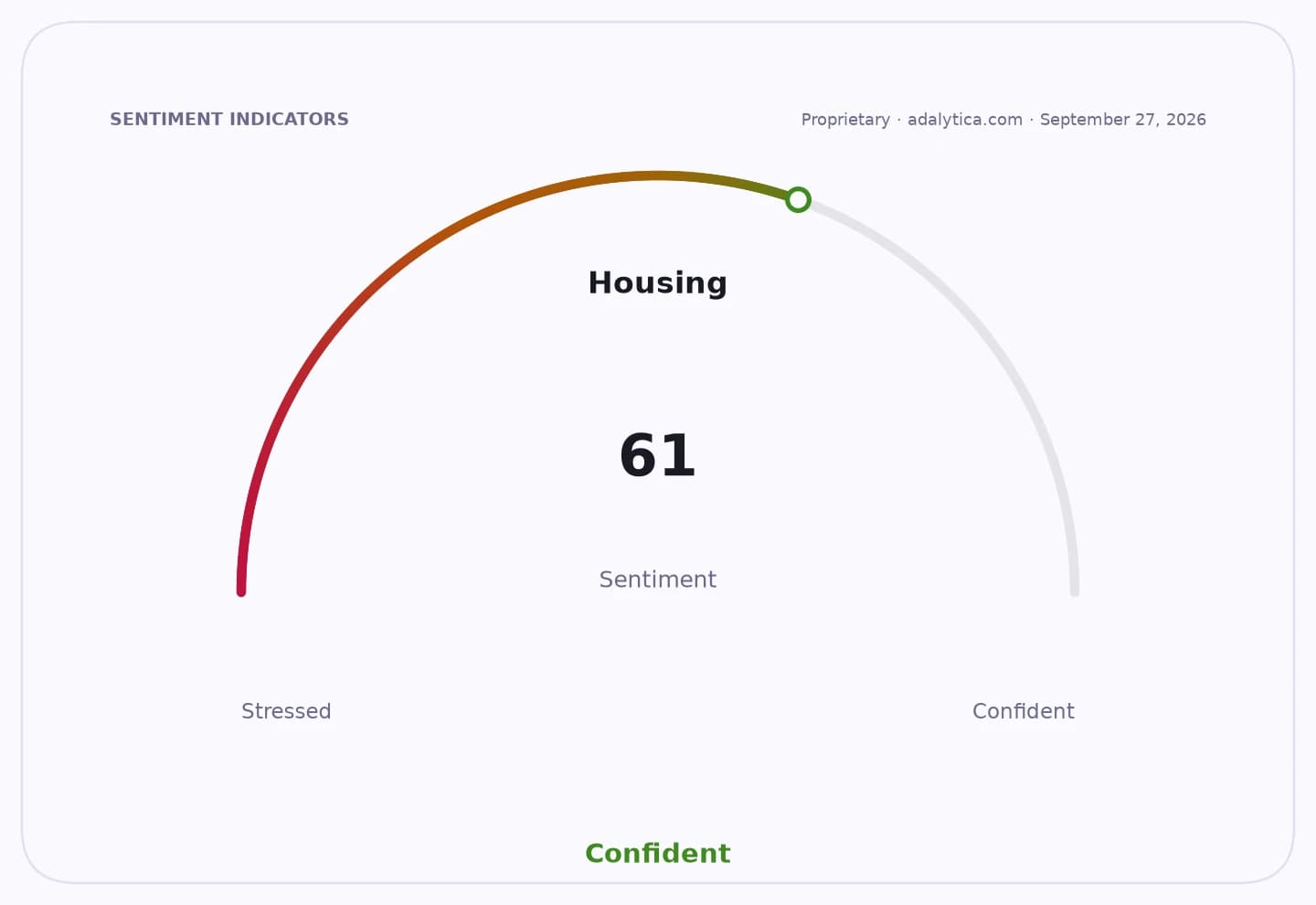
The broader backdrop reinforces the point. Housing affordability is under pressure in many markets, and developers, lenders and rental operators are all navigating a world where households are increasingly priced out of ownership. Adalytica’s Housing and Rent Inflation Sentiment gauge currently sits at 64, in neutral territory, but the underlying policy and affordability debate is clearly heating up. For investors, the lesson is that the rental market is no longer a side story — it is becoming the main housing battleground.
For long-term investors, that means focusing on the businesses and regions that can grow supply, maintain occupancy and manage regulation better than peers. It also means recognizing that housing remains a secular theme, but one where policy can alter returns as much as demand. In Spain, the shift from mortgages to rent is not just a social change. It is a structural investment risk — and a potential opportunity for those positioned in affordable and build-to-rent housing over the next decade.
| Entity | Gains | Losses |
|---|---|---|
| Tenants in need of affordable homes | ▲More policy attention | ▼Higher rents, limited supply |
| Large rental landlords | ▲Potential pricing power | ▼More regulation and payment risk |
| Spanish government | ▲Chance to expand social housing | ▼Pressure over housing shortages |
| Homebuyers and would-be owners | ▲Long-term case for more supply | ▼Slower access to ownership |