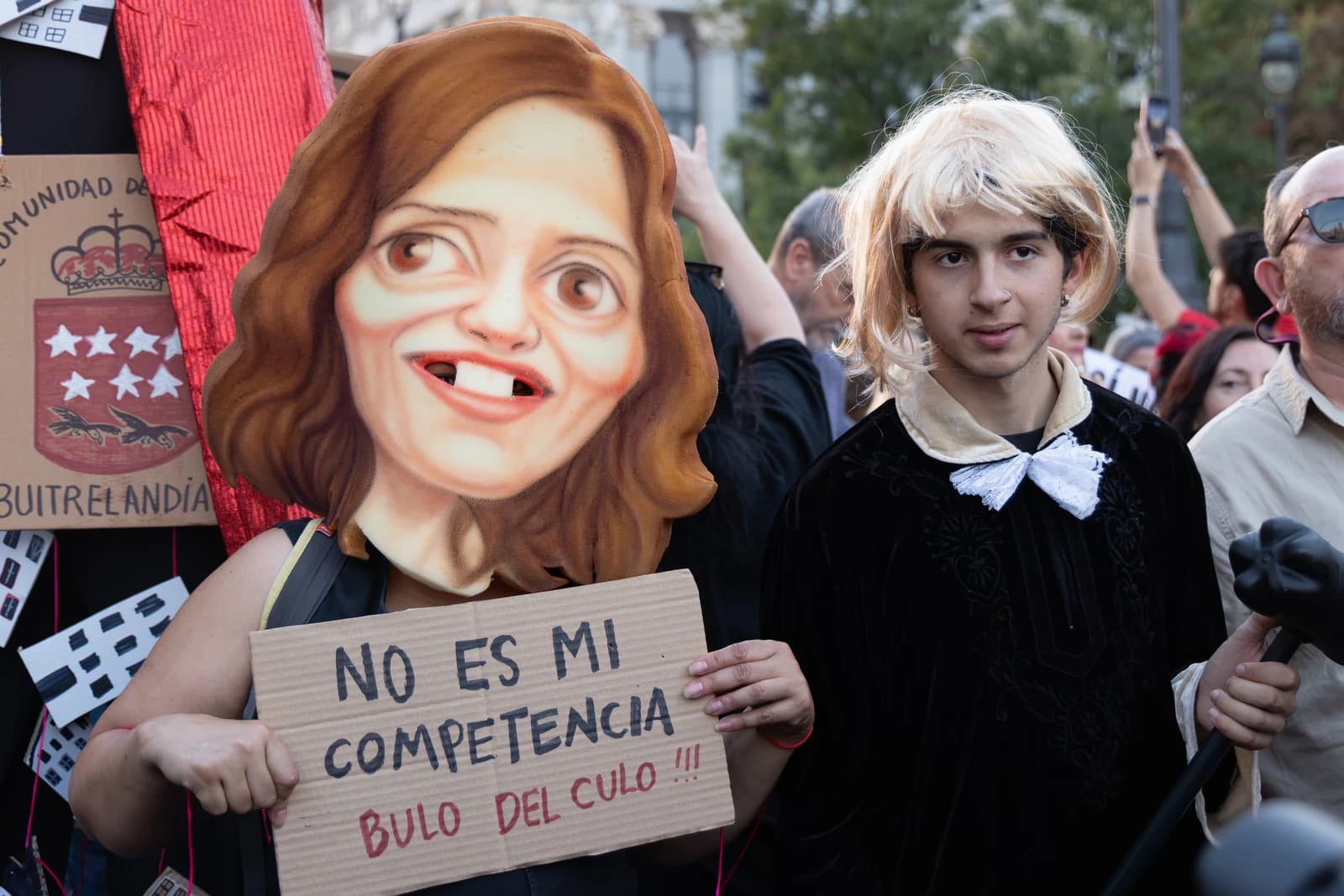
A mass march over housing in Valencia escalated into clashes with police outside the Palau de les Arts and ended with activists setting up an encampment in the city’s town hall square, underscoring how Spain’s housing crisis is moving from policy dispute into broader social unrest.
Spain Valencia housing protest turns into clashes
The violence matters because housing has become one of Spain’s sharpest cost-of-living pressures, and the failure of lawmakers to advance new relief measures has left protesters with fewer institutional outlets. What began as a peaceful demonstration of more than 6,000 people against property speculation drew a harder edge once a group broke through police lines at a real estate summit inside the arts complex, prompting riot police to deploy tear gas and rubber bullets. The result was nine injured officers, five arrests and a protest movement that now appears intent on extending its reach beyond a single march.
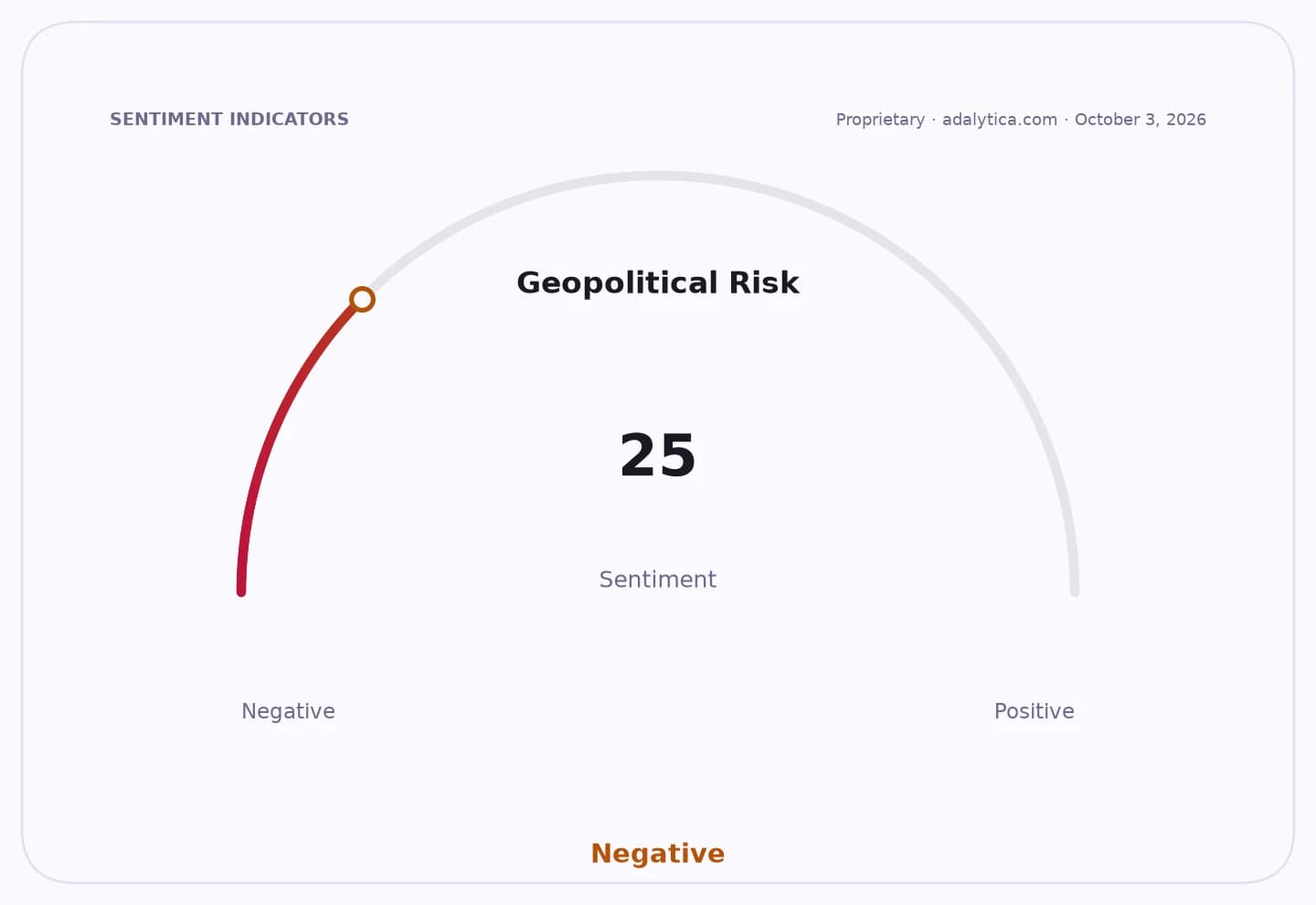
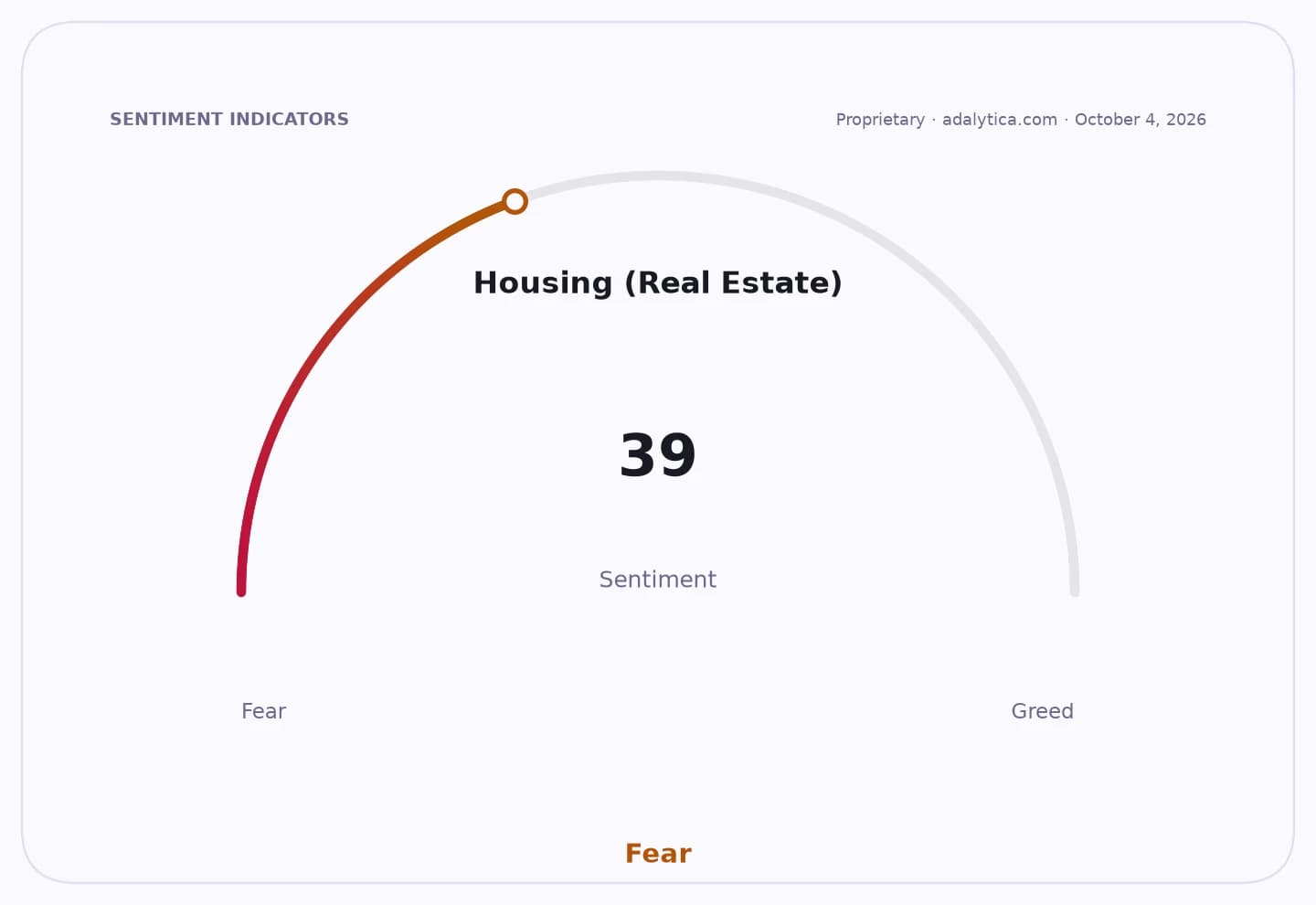
Sentiment IndicatorsⓘProprietary · adalytica.com · October 4, 2026
This is a snapshot — live sentiment, awareness and momentum for 130+ markets update continuously in the dashboard.Open AlphaPulse
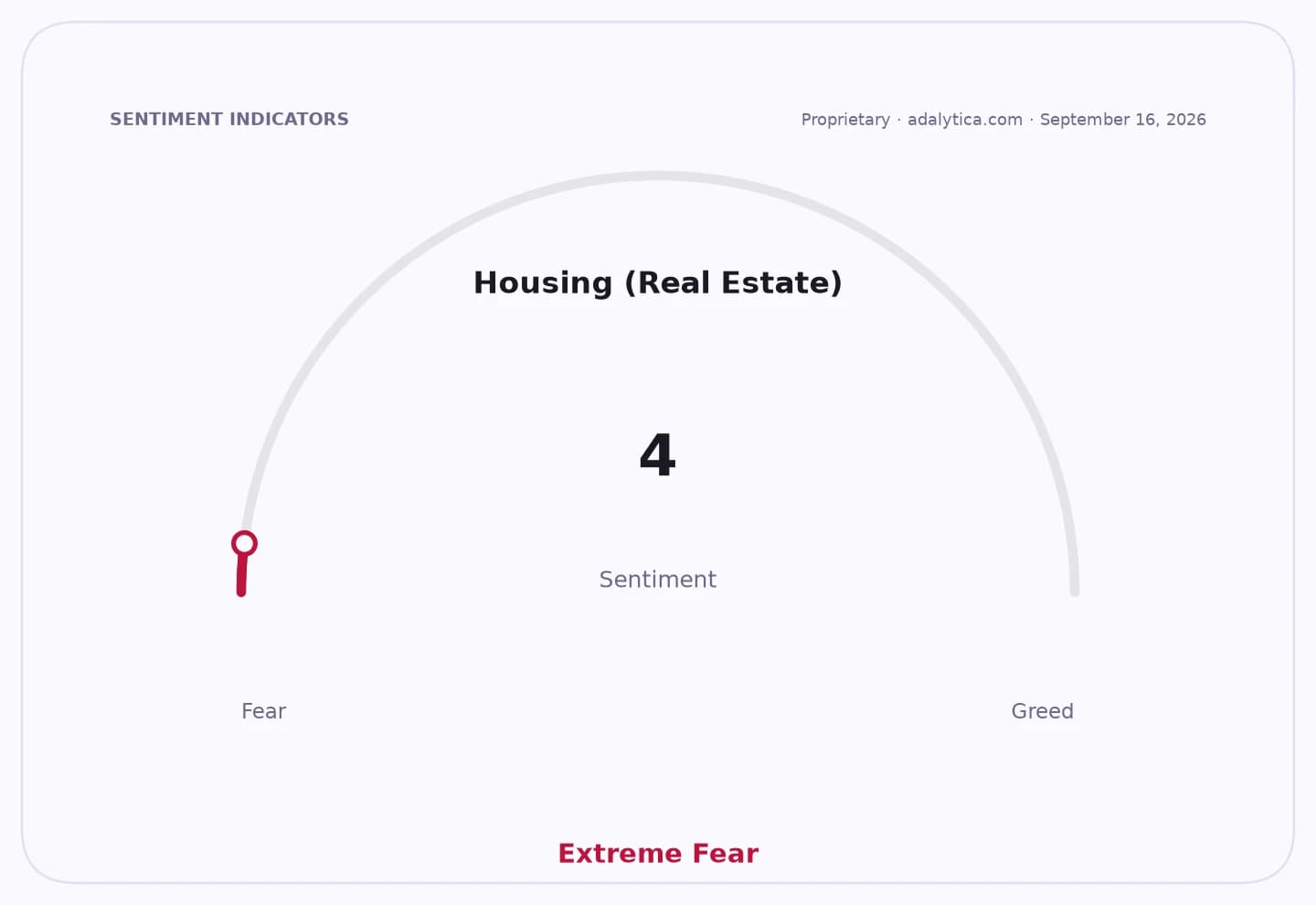
For investors, the episode is a reminder that Spain’s housing market is no longer just a question of prices and rents. It is increasingly a political risk that can affect development timelines, investor sentiment and the public standing of landlords, short-term rental platforms and property-focused events. The demonstrators’ targets — “speculators and rentiers” — were not random; they reflect a widening backlash against the role of private capital in housing, especially in cities where affordability has deteriorated and tourism demand has intensified competition for space.
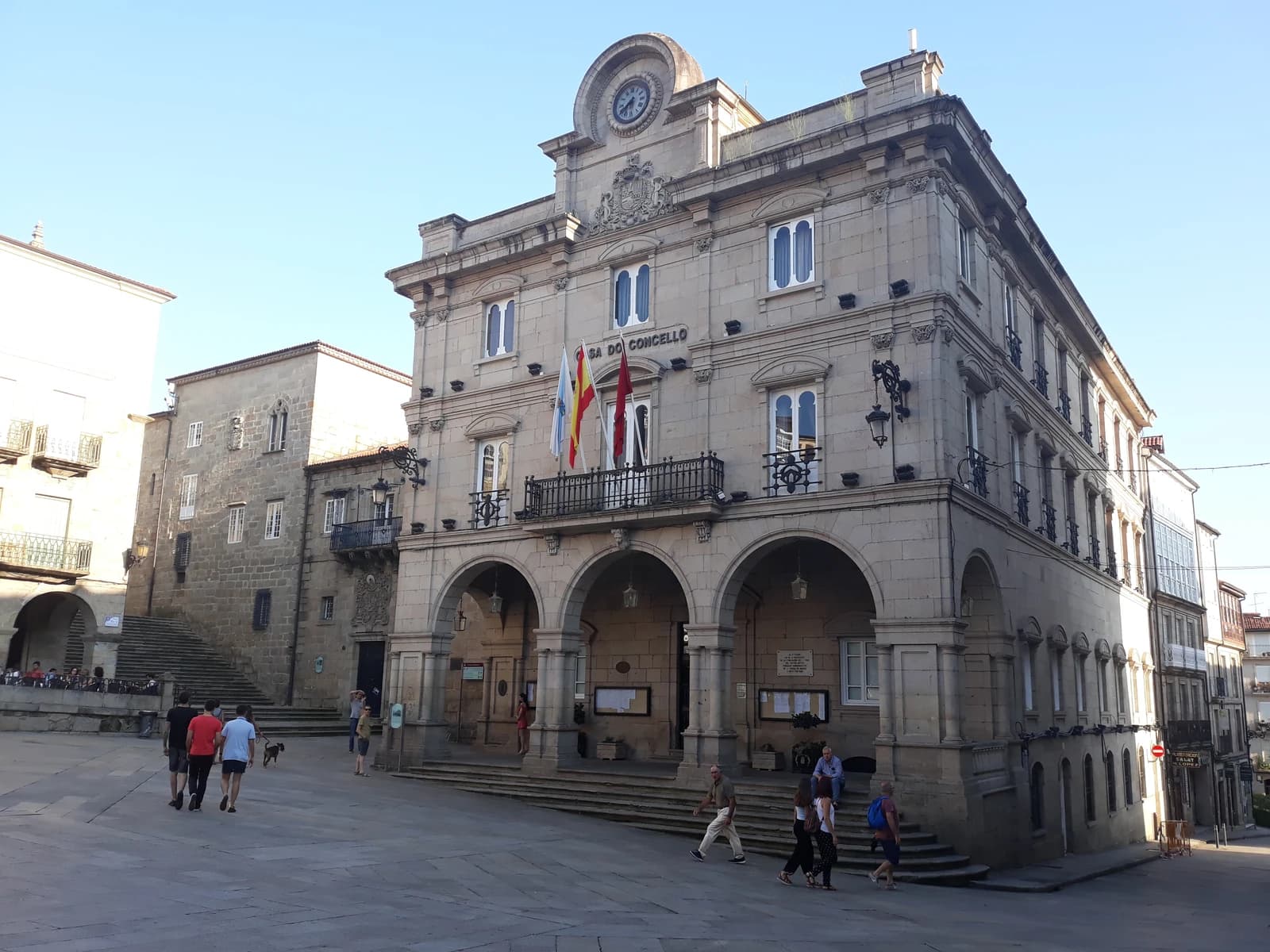
The clash also came just a day after parliament scrapped two decrees intended to offer a partial fix to the housing emergency, reinforcing the sense that policy responses are failing to keep pace with public anger. Organizers, including tenant and housing-rights groups, used the rally to press for a general strike, a sign that the campaign is broadening from street protest into a more organized challenge to the status quo. The move to occupy the town hall square, modeled on earlier protest encampments, raises the likelihood of repeat demonstrations and a sustained presence in the city center.
For the broader property sector, that is unwelcome. Events that gather investors, developers and market figures are now plausible flashpoints. Even if the immediate market reaction is limited, the political narrative is shifting toward stricter tenant protections, more scrutiny of speculative buying and greater pressure on local and national authorities to intervene. That could weigh on rental yields, transaction sentiment and the policy environment for housing-related assets.
What happens next will depend on whether Spain’s political class can restore credibility with tangible housing measures before the protests widen further. If not, the unrest in Valencia may be less an isolated disturbance than another sign that housing has become one of the country’s most combustible economic issues.
| Entity | Gains | Losses |
|---|---|---|
| Housing activists | ▲Visibility and momentum | ▼Risk of arrests and backlash |
| Property investors | ▲— | ▼Rising political and social risk |
| Spanish policymakers | ▲Pressure to act | ▼Credibility after failed decrees |
| Landlords and short-term rental operators | ▲— | ▼Greater scrutiny and protest pressure |