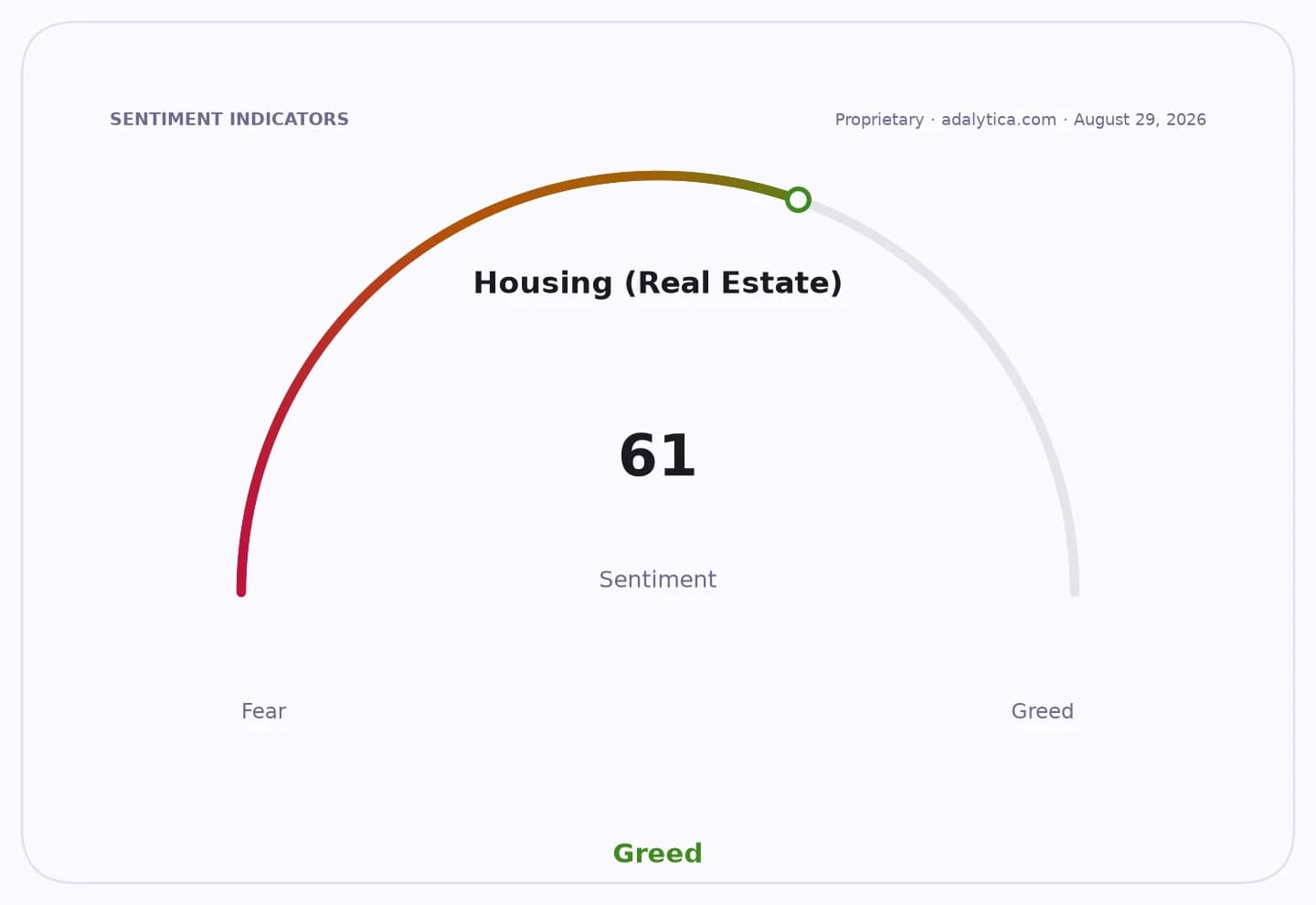
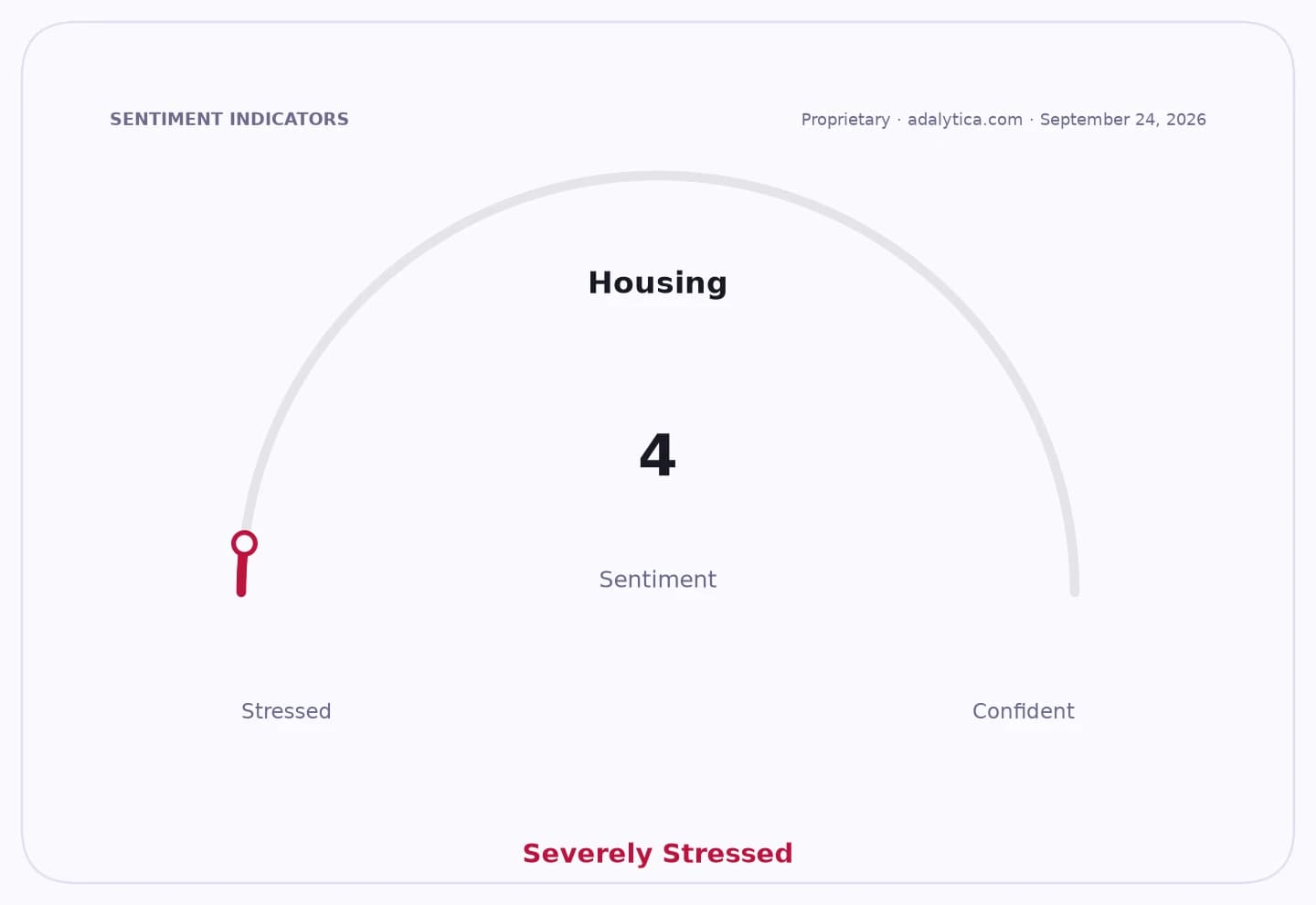
The eviction of an 87-year-old Madrid tenant has turned Spain’s housing shortage into a political liability for Pedro Sánchez, exposing how years of emergency protections have failed to solve a rent crisis now pushing more households out of their homes.
Spain housing crisis and Madrid eviction pressures Sánchez

The case of Maricarmen in the Retiro district has drawn sharp public attention because it combines a vulnerable elderly tenant, soaring housing costs and a government that has relied on temporary shields rather than a durable supply response. Sánchez called the episode a “social tragedy,” but the broader problem is that evictions have remained high whenever those protections are not in force.
Official data cited by the original report show more than 50,000 evictions in both 2018 and 2019, before special “social shield” measures cut launches to 29,406 in 2020, 26,695 in 2023, 24,500 in 2024 and 22,800 in 2025. That suggests the state has been suppressing the symptom, not curing the cause.
The core economic pressure is the widening gap between housing costs and incomes. The average price per square meter for homes bought and sold in Spain has jumped 85% since 2018, from 1,580 euros to 2,924 euros, while average gross annual wages have risen just 23% to 29,540 euros, according to the National Statistics Institute.
That mismatch is forcing more families into renting, but rental inflation is just as severe. Idealista data cited in the report show average rents rising from 10.4 euros to 15.1 euros per square meter, while Spain’s stock of affordable social housing remains only 3.3% of the total, far below the 8% European average.
For investors, the policy mix matters because it points to persistent demand for rental housing but also growing regulatory risk. Landlords and housing companies may benefit from chronic undersupply and rising rents, yet rent caps and eviction restrictions can squeeze yields, reduce turnover and discourage new supply.
The tension is already visible in the market. The report says rent controls in “stressed” zones under Spain’s housing law have not materially contained prices, while the Barcelona property association says the measures are destroying supply. That is the central investor problem: more intervention can ease political pressure in the short run, but it may worsen the shortage that keeps prices elevated.
The government is promising a 7 billion-euro housing plan, but the political clock is faster than the construction cycle. Unless Spain expands affordable supply and restores confidence in the rental market, evictions are likely to stay a flashpoint — and Sánchez’s housing policy will remain under attack from both tenants and the real estate sector.
| Entity | Gains | Losses |
|---|---|---|
| Vulnerable tenants | ▲Short-term eviction shields | ▼Still face high rents |
| Sánchez government | ▲Temporary relief from protests | ▼Credibility on housing policy |
| Landlords/real estate owners | ▲Higher market rents | ▼More regulation and controls |
| Housing developers | ▲Long-term demand for supply | ▼Policy uncertainty and caps |