Housing activists disrupted the opening of The District real estate fair in Madrid on Tuesday, turning a developer and investor showcase into a protest against the city’s housing model as evictions and rent pressure intensify political and social tension.
Madrid housing activists disrupt District fair

The confrontation matters because Spain’s housing crisis is no longer just a policy debate; it is becoming a direct risk to the investment case for urban residential assets, landlord returns and the political environment around new development. Protesters said Madrid residents are being pushed out of their neighborhoods while “funds buitre” and other large property investors buy into the market, and they singled out regional president Isabel Díaz Ayuso and mayor José Luis Martínez-Almeida.
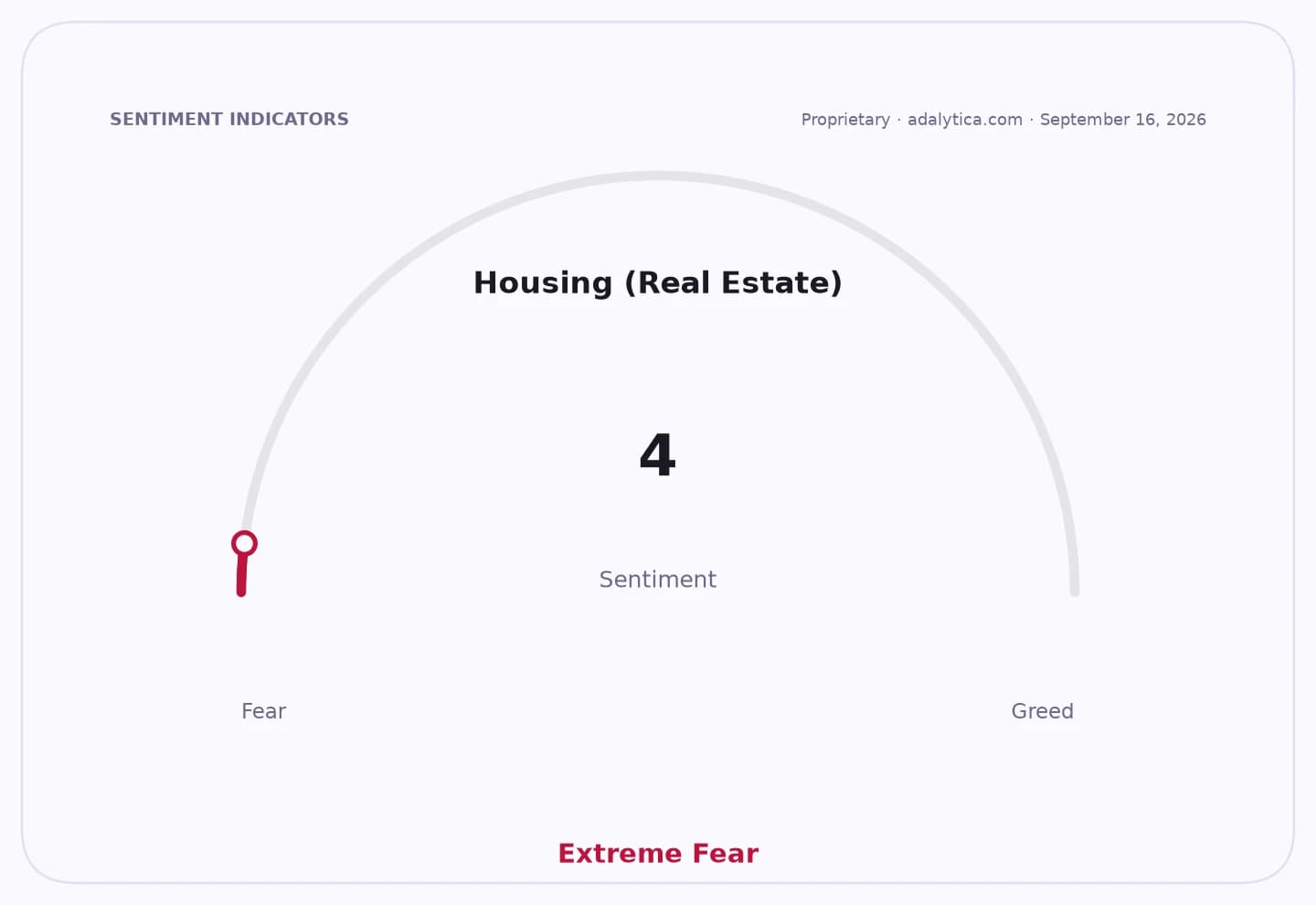
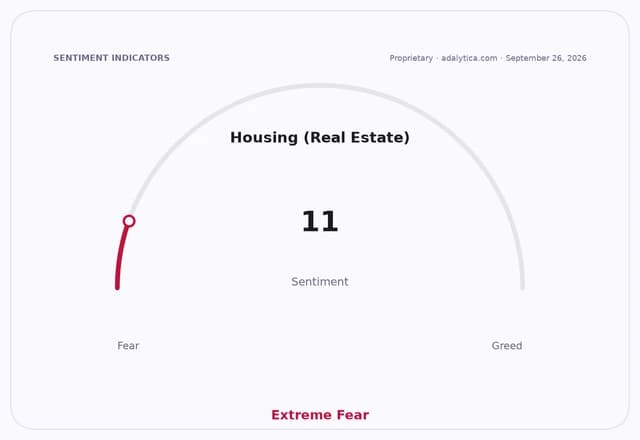
Sentiment IndicatorsⓘProprietary · adalytica.com · September 26, 2026
This is a snapshot — live sentiment, awareness and momentum for 130+ markets update continuously in the dashboard.Open AlphaPulse

About 100 people, according to organizers, blocked access to the fair at IFEMA and several activists interrupted Ayuso’s tour inside the venue, scattering leaflets that accused authorities and landlords of “selling” the city “to the highest bidder.” Police identified, removed and detained demonstrators who tried to stop access to the event and those who entered the hall.
The protest was sharpened by a specific eviction case: activists confronted Ayuso over Maricarmen, an 87-year-old woman facing eviction on Wednesday after 70 years in the same home. Leaflets distributed at the fair claimed Madrid is seeing “more than 25,000 evictions in 2025,” underscoring the scale of the housing emergency in the capital even as international property capital remains interested in the market.
The District’s first edition in Madrid after three years in Barcelona brought together investors and landlords including Blackstone, Brookfield and Nestar, making the fair a target for campaigners opposed to what they see as a rent-driven model. For investors, the episode is a reminder that Spanish housing assets face rising reputational, regulatory and political risk, especially in Madrid, where affordability has become a flashpoint.
That risk has market implications beyond one event: if protests keep escalating, policymakers may face pressure for tighter rent rules, stronger tenant protections or restrictions on institutional landlords, all of which can affect cash flows and valuations across the residential sector. The immediate test is whether authorities respond with tougher housing measures, while the longer-term question is whether Madrid can keep attracting capital without deepening public backlash.
| Entity | Gains | Losses |
|---|---|---|
| Housing activists | ▲Visibility for their cause | ▼Risk of police action |
| Madrid tenants | ▲Pressure for relief | ▼Rising rents and evictions |
| Institutional landlords | ▲Access to capital markets | ▼Reputational and policy risk |
| Ayuso and Almeida | ▲Opportunity to defend policy | ▼Political pressure over housing |