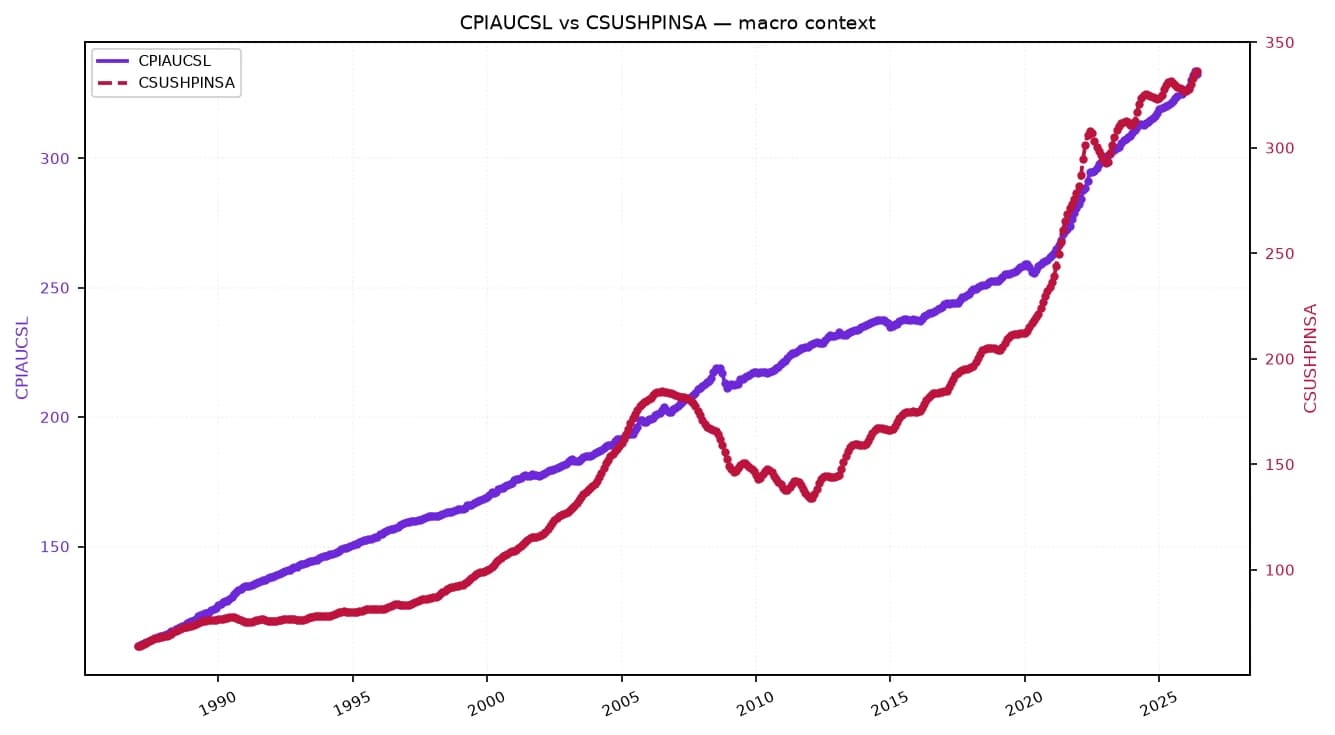
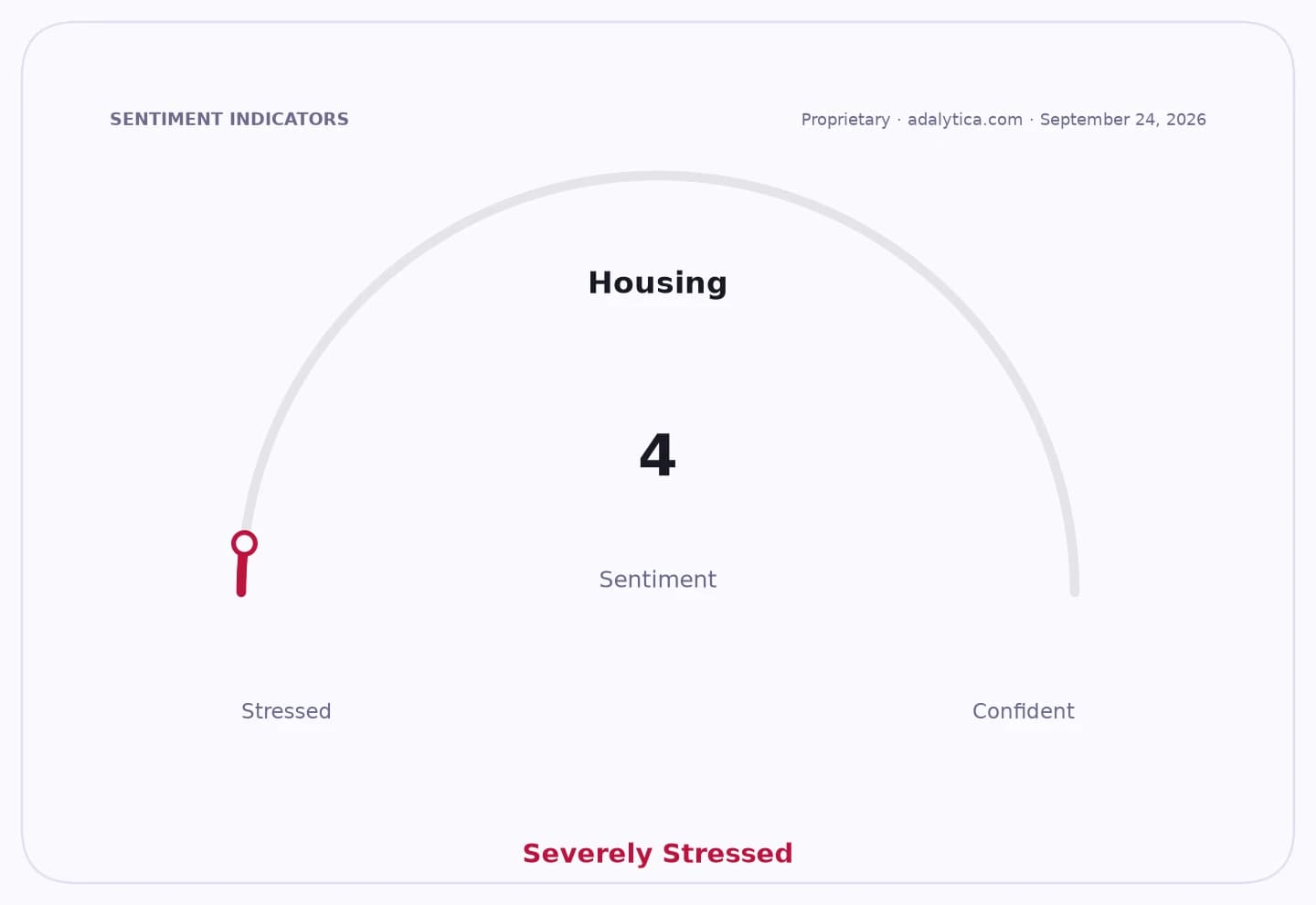
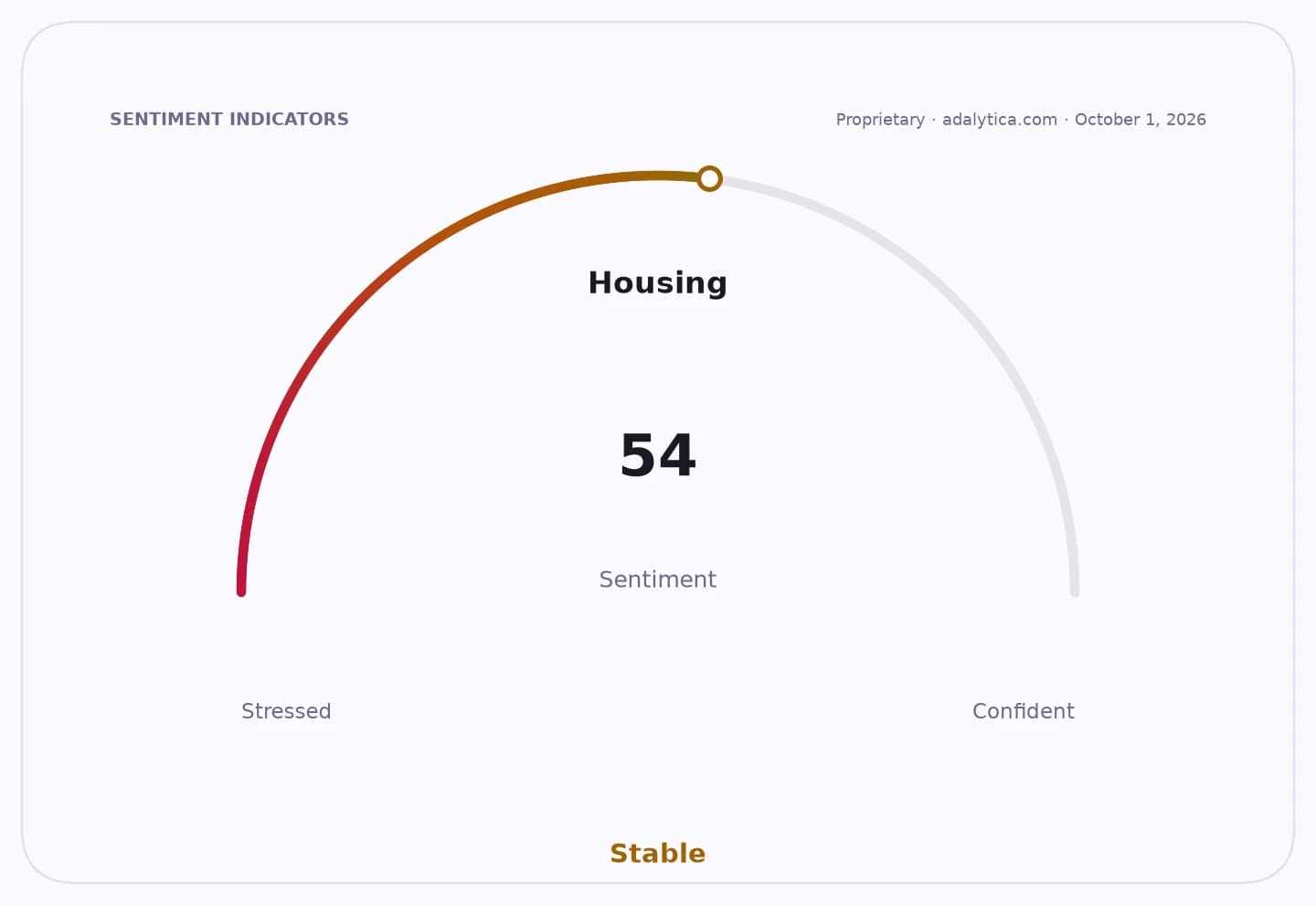
Spain’s tenants are facing a fresh squeeze as inflation picks up again and a wave of lease expiries pushes millions of households back into a market where new rents are rising far faster than existing ones.
Spain rents rise as lease expiries approach

That matters because the combination of higher consumer prices, expiring contracts and an acute housing shortage is likely to lift rents further just as wage growth is losing ground to inflation. With Congress rejecting the government’s housing decrees, renters lose a set of short-term protections while the structural problem — too little supply — remains unchanged.
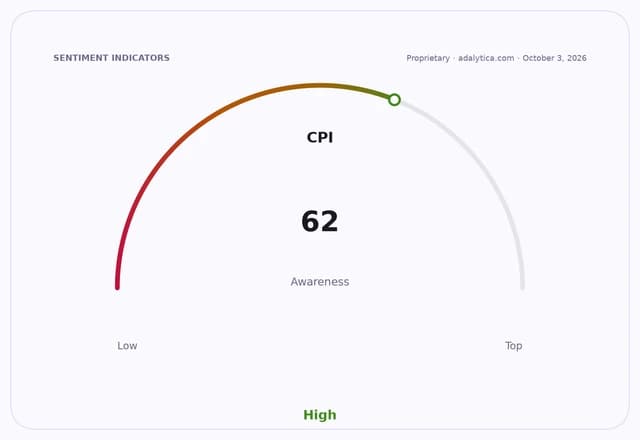
Sentiment IndicatorsⓘProprietary · adalytica.com · October 3, 2026
This is a snapshot — live sentiment, awareness and momentum for 130+ markets update continuously in the dashboard.Open AlphaPulse

The most immediate impact falls on leases still linked to the consumer price index. For contracts signed before May 25, 2023, annual rent reviews are still tied to CPI, which rose 4.9% in September. On a typical apartment costing 10,500 euros a year, or 875 euros a month, that would add 515 euros annually. By contrast, newer leases indexed to Spain’s housing reference measure can rise only 2.47%, or 259 euros on the same rent.
That difference is small in percentage terms but large in real-world affordability, especially when salaries are rising more slowly than prices. It also helps explain why the rental market is splitting into two tiers: protected incumbent tenants and new entrants facing much steeper costs. Spain’s experimental housing price index showed new leases rising 8.8% in 2024, more than triple the 2.8% increase for existing contracts. In the Valencia region, new leases climbed 11.5% while existing ones rose 3.9%.
The pressure will intensify as contracts signed under the 2019 rules start to expire. Spain’s consumer ministry says almost two million leases will end between 2026 and 2028, affecting about 4.7 million people. The bulk of those expiries are concentrated in 2026 and 2027, with 751,166 contracts ending next year and 809,899 in 2027. Many of those tenants will have to re-enter a market where supply is not keeping up with demand.
That imbalance is the core economic problem. The Bank of Spain says fewer homes are changing tenants than before, but that has not prevented rents from rising because the stock available for new tenants remains tight. It estimates landlords who put new homes on the market in 2024 charged rents 16.6% above the average of existing contracts, up from a 7.7% premium in 2021. The central bank links the shortage chiefly to weak construction, while household formation continues to absorb available units.
The wider social cost is already visible. About 20.2% of Spanish households now rent, and a recent Fedea study found that poverty rises sharply once housing costs are included: 32.8% of people living in market-rate rentals were classified as poor on a conventional basis, but that figure jumped to 49.9% after rent was deducted. That implies housing inflation is no longer just a consumer issue; it is a distributional shock.
For investors, the split market is still supportive of rental owners, especially those with assets in supply-constrained areas. American Homes 4 Rent, one of the large US single-family rental owners, has said its revenue growth depends on tenant retention and rent increases, underscoring how landlords benefit when replacement rents rise faster than inflation. But the same dynamic also increases political risk, with more pressure for intervention if affordability worsens and lease turnover accelerates.
The near-term outlook points to more rent inflation, not less, unless construction accelerates meaningfully or policymakers impose new limits. The rejection of the latest decrees removes one buffer, but it does not change the underlying arithmetic: too many households chasing too few homes, with a growing share of tenants about to discover the gap between old rents and market rates.
| Entity | Gains | Losses |
|---|---|---|
| Existing landlords | ▲Higher replacement rents | ▼Tenant retention risk |
| New tenants | ▲None | ▼Higher entry rents |
| Incumbent renters | ▲Capped legacy leases | ▼Inflation-linked reviews |
| Construction sector | ▲Policy push for supply | ▼None |