Rent hikes are sticking because the underlying cost of housing is still elevated, and the market for apartments and single-family rentals remains tight enough for landlords to keep pushing through increases.
U.S. Rent Hikes Stay Sticky as Housing Supply Tightens
That is the real story behind the familiar line tenants hear about why their rent went up: inflation, higher maintenance costs, “market rates,” or, as one Reddit user put it, “it’s a nice round number.” The joke lands because it captures a serious economic truth — in a housing market where supply is constrained and operating costs are still rising, landlords have room to test how much pain renters can absorb.
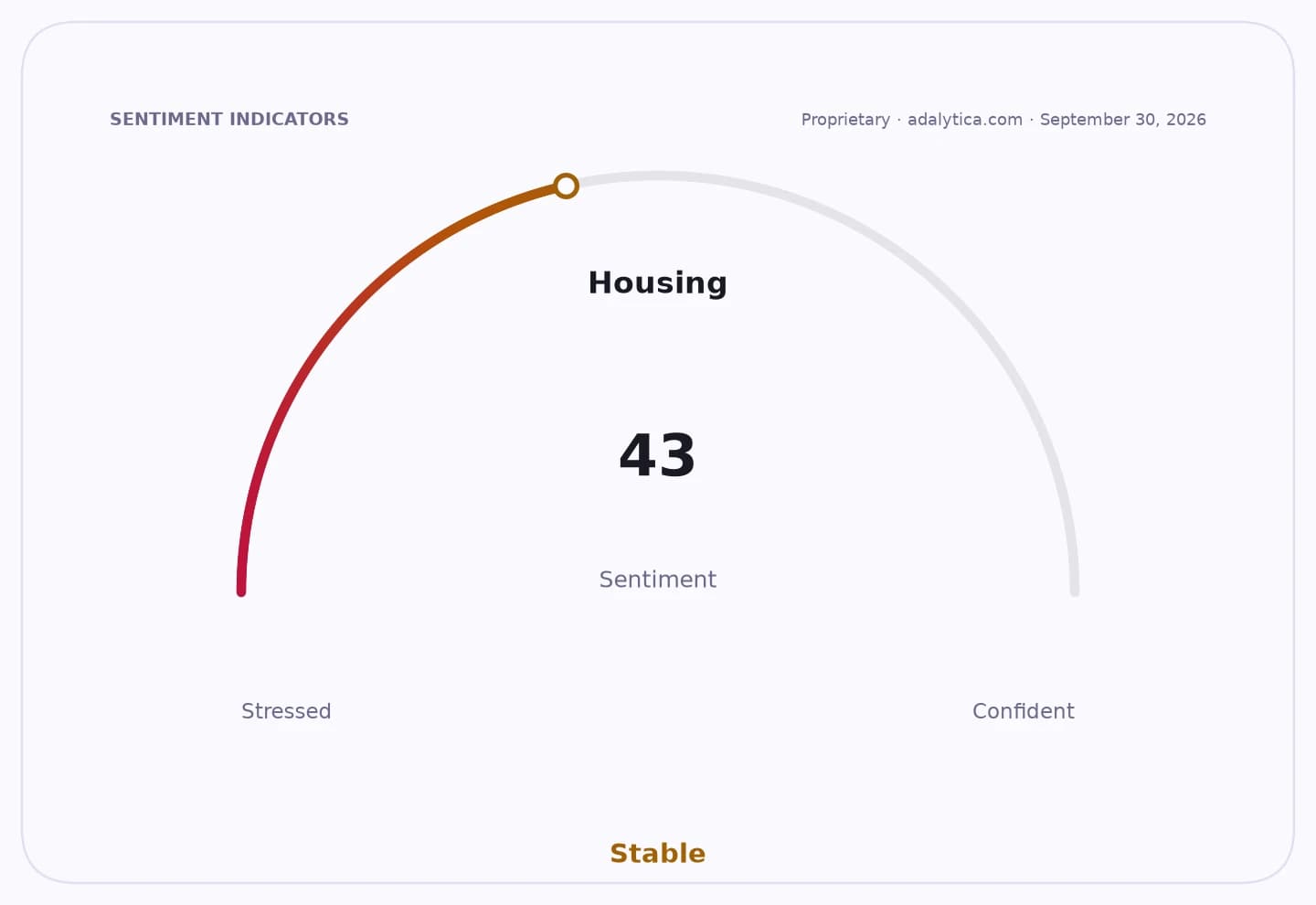
Sentiment IndicatorsⓘProprietary · adalytica.com · September 30, 2026
This is a snapshot — live sentiment, awareness and momentum for 130+ markets update continuously in the dashboard.Open AlphaPulse
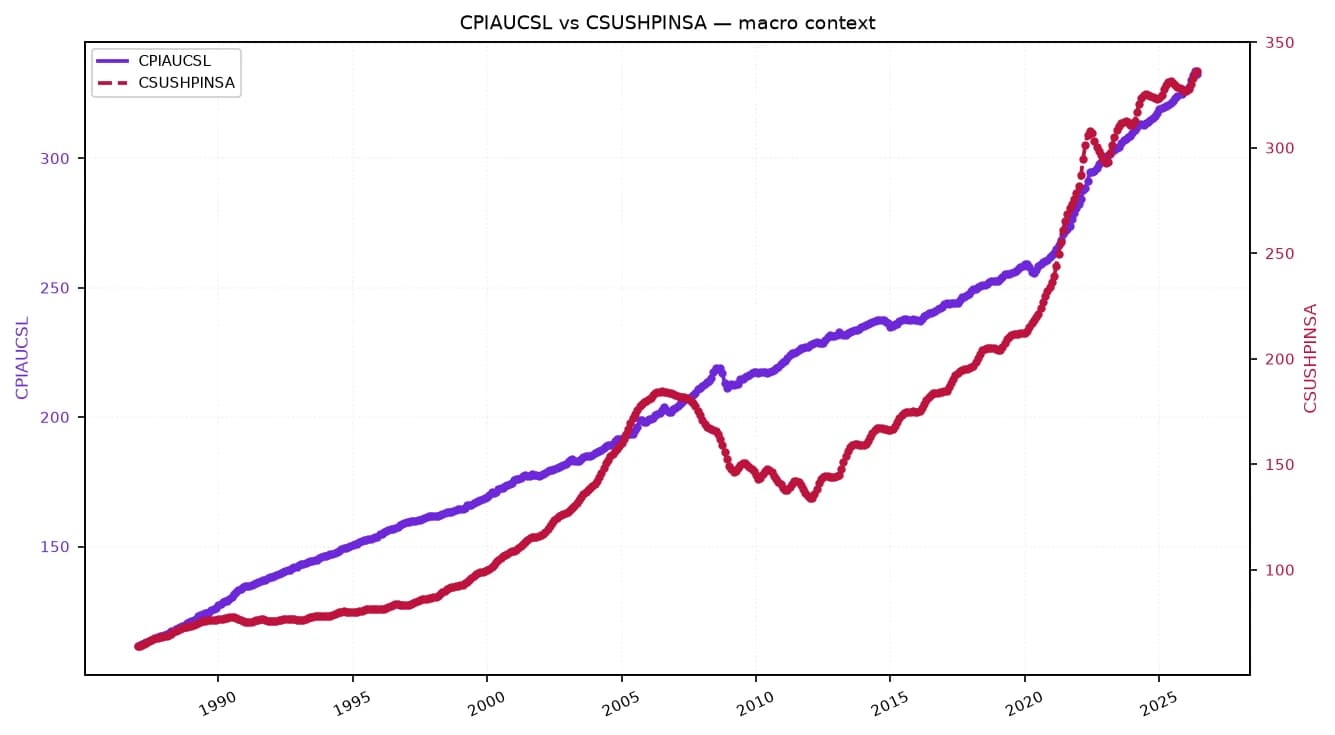
The macro backdrop remains supportive of higher asking rents even if the pace of general inflation has cooled. U.S. consumer prices are still running above pre-pandemic norms, with the CPI index at 334.131 in August and forecast at 333.8642 in September, while home prices remain near record levels. The S&P CoreLogic Case-Shiller index stood at 336.663 in June, after a 50.9% surge in 2022 from pre-boom levels. That keeps homeownership expensive, helping lock more households into the rental market and preserving pricing power for landlords.
The supply side is not offering much relief either. New housing starts fell to 1,275 in August from 1,439 in June, underscoring how a still-hefty borrowing-cost environment and development bottlenecks continue to restrain construction. Fewer new units means less competition for existing landlords, and that matters because rent inflation typically eases only when supply outpaces demand. For now, the opposite is closer to reality.
That dynamic is exactly why large rental owners are focused on rent growth as a core earnings driver. American Homes 4 Rent, one of the biggest U.S. single-family rental operators, has seen its stock slip to about $30.40, below both its 50-day and 200-day moving averages, while its RSI readings point to oversold conditions. Invitation Homes has also weakened to $26.33, again below key moving averages. The market is signaling near-term caution, but the business model still depends on the same underlying thesis: tight housing supply and persistent affordability pressure allow landlords to raise rents faster than inflation when occupancy holds.
Investors should read that as a second-order trade, not just a consumer complaint. If rent remains sticky, that supports revenues for residential REITs and single-family rental platforms, even if share prices are depressed by rate fears and soft sentiment. The Adalytica CPI sentiment gauge is in “Greed,” while broad S&P 500 trade signals remain in “Fear,” a reminder that investor positioning is still conflicted. That disconnect is where opportunity often appears first.
The bigger takeaway is that rent hikes are not random. They are the downstream result of a housing system short on supply, still expensive to finance, and structurally favoring owners over tenants. Unless construction accelerates meaningfully or the economy weakens enough to break demand, landlords will keep finding excuses — from inflation to the roundest number they can defend — and the market will keep treating rent growth as one of the more durable cash-flow engines in real estate.
| Entity | Gains | Losses |
|---|---|---|
| Landlords / rental REITs | ▲Higher rental revenue | ▼Tenant pushback |
| U.S. renters | ▲None | ▼Higher monthly housing costs |
| Residential homebuilders | ▲Long-term demand for supply | ▼Near-term demand softness from rates |
| Rent-sensitive consumer stocks | ▲Lower homeownership demand helps retention | ▼Margin pressure from housing expense |