Home sales in Conroe and Montgomery are weakening across the board, and that matters because softer demand is finally starting to show up in prices and time on market rather than just in headlines. For buyers, that means more negotiating power. For sellers, it means the fast-moving housing market of the past few years is giving way to something closer to a normal cycle.
Conroe and Montgomery Home Sales Weaken in August
According to local data cited by Tammy Sohl of JLA Realty, home sales fell year over year in all eight of Community Impact’s coverage zones in Conroe and Montgomery in August, with northeast Conroe posting the steepest decline. Prices also slipped in six of the eight ZIP codes, with only northeast Conroe and downtown Conroe seeing gains. In downtown Conroe, homes sat on the market for more than twice as long as a year earlier, while properties east of Lake Conroe and in Willis sold 37.8% faster.
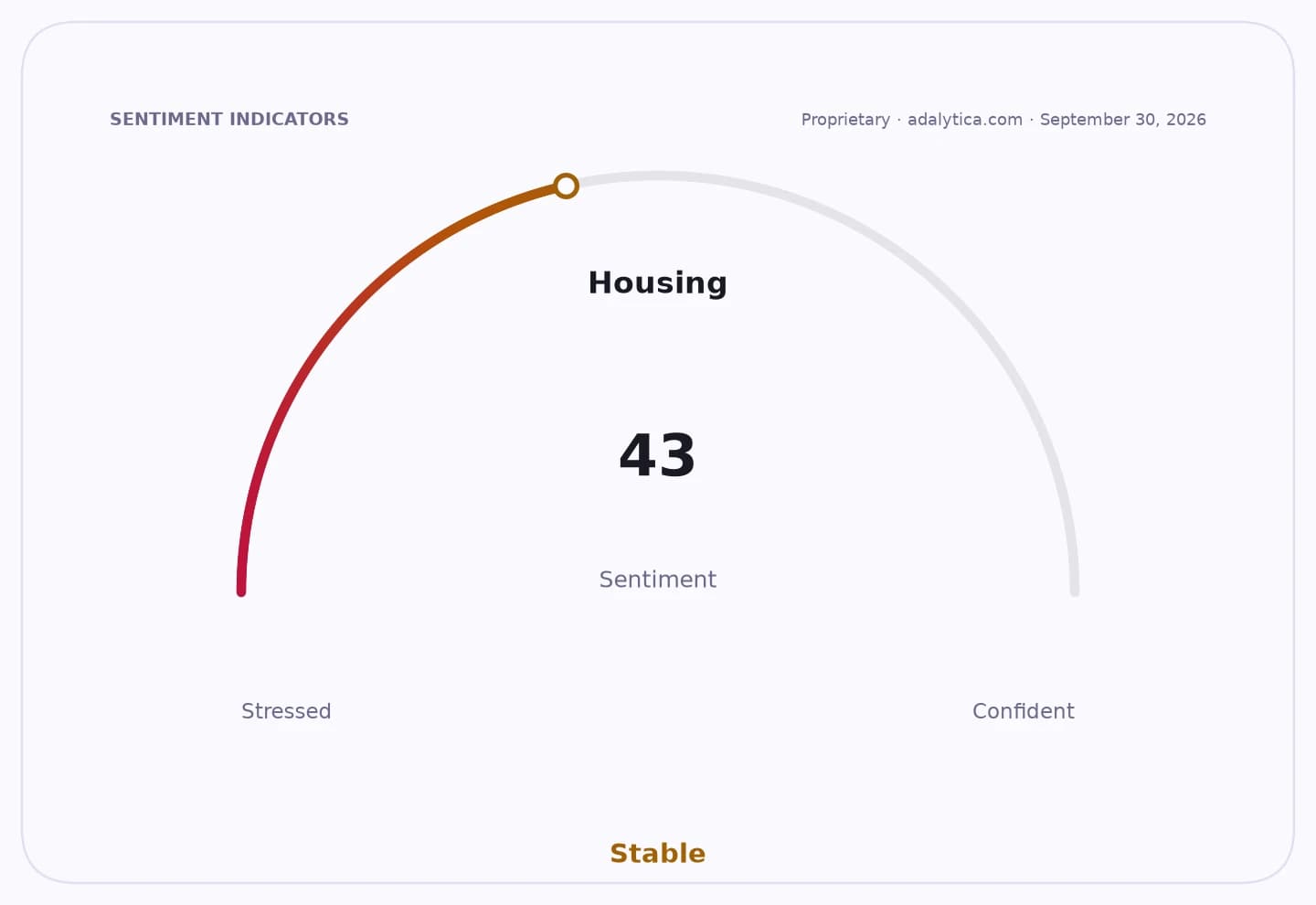
Sentiment IndicatorsⓘProprietary · adalytica.com · September 30, 2026
This is a snapshot — live sentiment, awareness and momentum for 130+ markets update continuously in the dashboard.Open AlphaPulse
That combination of fewer transactions, softer pricing and longer marketing periods is economically important because housing is both a household balance-sheet asset and a spending engine. When homes take longer to sell, sellers tend to trim expectations, buyers regain leverage and local turnover slows. That can ripple into real estate commissions, home-improvement spending and related services, even if the broader economy remains stable.
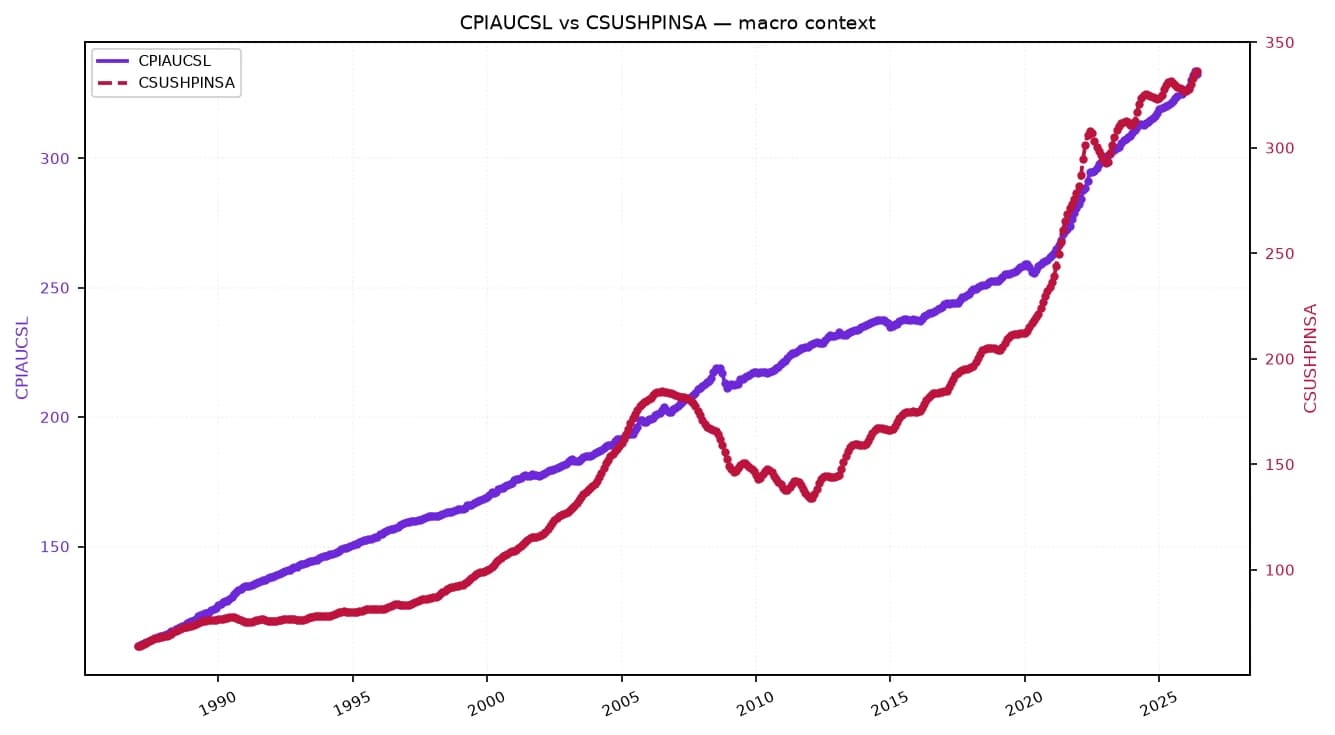
The backdrop is not especially weak by national standards. The unemployment rate is hovering around 4.1%, which usually supports housing demand. And the national home price index remains well above pre-pandemic levels, suggesting this is more of a cooling phase than a crash. Still, the Conroe and Montgomery numbers show how affordability pressure and higher financing costs can bite even in Texas markets that benefited from population growth and in-migration during the boom years.
For investors, the signal is mixed. Builders, brokers and home-improvement names can feel pressure when turnover slows, but a softer resale market can also favor new construction if buyers seek better value and incentives. The Homebuilders ETF, XHB, has been volatile but remains above its 200-day moving average, while the iShares U.S. Home Construction ETF, ITB, has also held up better than a straight-line decline would suggest. Home Depot, meanwhile, is more exposed to renovation spending than fresh sales, so a cooling market can be a headwind for big-ticket moves but not necessarily for long-term demand tied to maintenance and repairs.
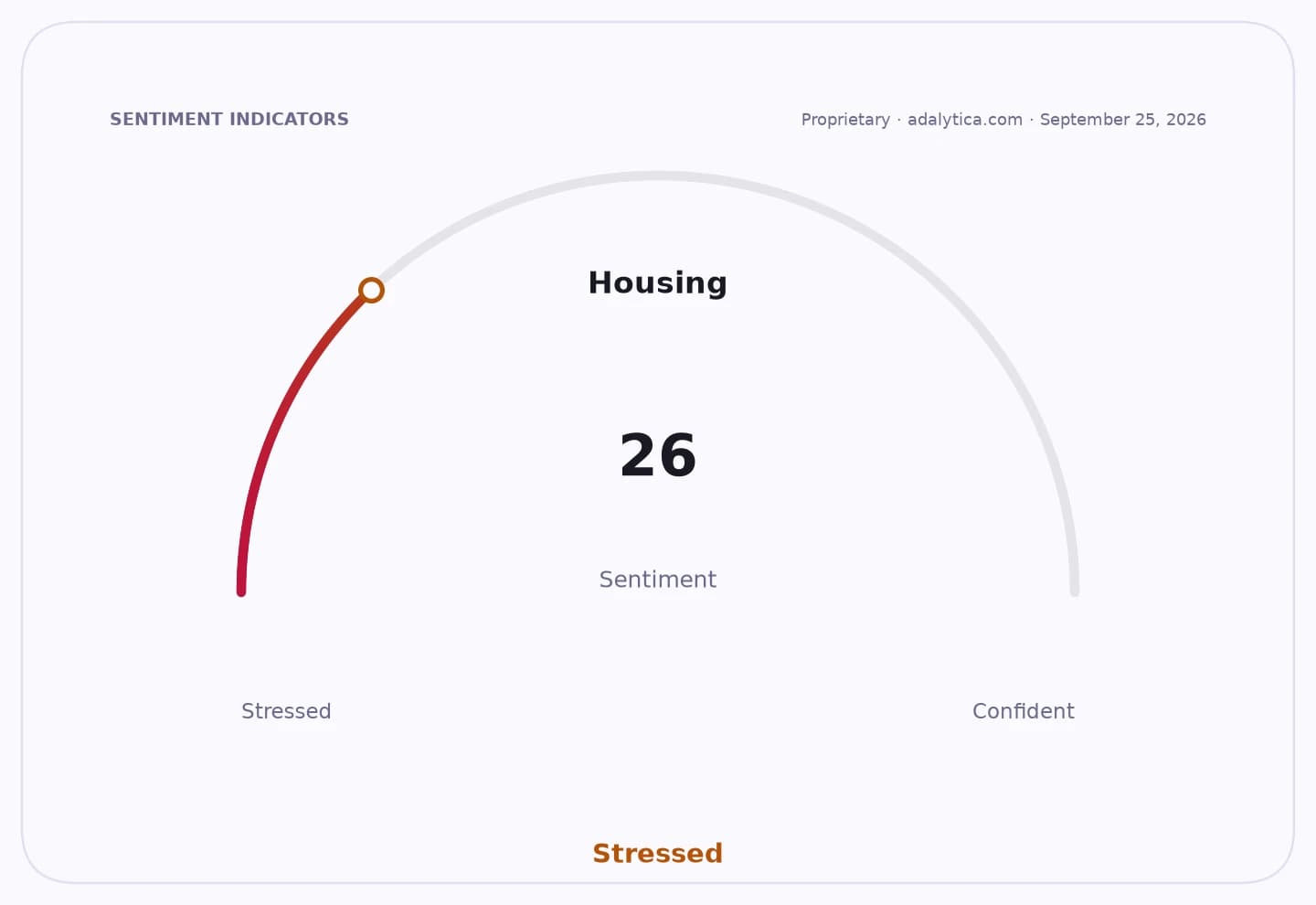
Adalytica’s Housing and Rent Inflation Sentiment gauge is neutral overall, but its awareness reading sits at extreme fear, underscoring how sensitive investors and households remain to housing news. That kind of backdrop often creates opportunity for patient investors rather than panic. Housing rarely moves in a straight line, and local slowdowns can last months before they show up in national data.
For long-term investors, the key takeaway is simple: this is a reminder that real estate cycles still matter. A softer Conroe and Montgomery market may not be dramatic, but it is another sign that pricing power is fading and buyers are regaining control. Worth watching for anyone with exposure to homebuilders, mortgage-sensitive businesses or Texas housing demand.
| Entity | Gains | Losses |
|---|---|---|
| Home buyers | ▲More negotiating power | ▼Less urgency to bid |
| Home sellers | ▲None | ▼Lower prices, longer sales times |
| Local agents/builders | ▲Selective inventory demand | ▼Slower turnover |
| XHB/ITB investors | ▲Long-term housing recovery optionality | ▼Near-term volatility |