Participatory housing in Oullins-Pierre-Bénite is moving from concept to concrete as residents seek a way to buy and live together in a market where rising housing costs and tight supply are pushing more households toward collective solutions.
Oullins-Pierre-Bénite participatory housing project advances
The project in the Saulaie redevelopment zone is notable because it is not being framed as a niche lifestyle choice but as a response to a harder economic reality: conventional renting and ownership are increasingly out of reach for many households, while local authorities are still struggling to deliver enough affordable homes. The planned building at 67/69/71 rue Pierre-Sémard is meant to anchor a new model of ownership built around shared decision-making, pooled resources and long-term stability.
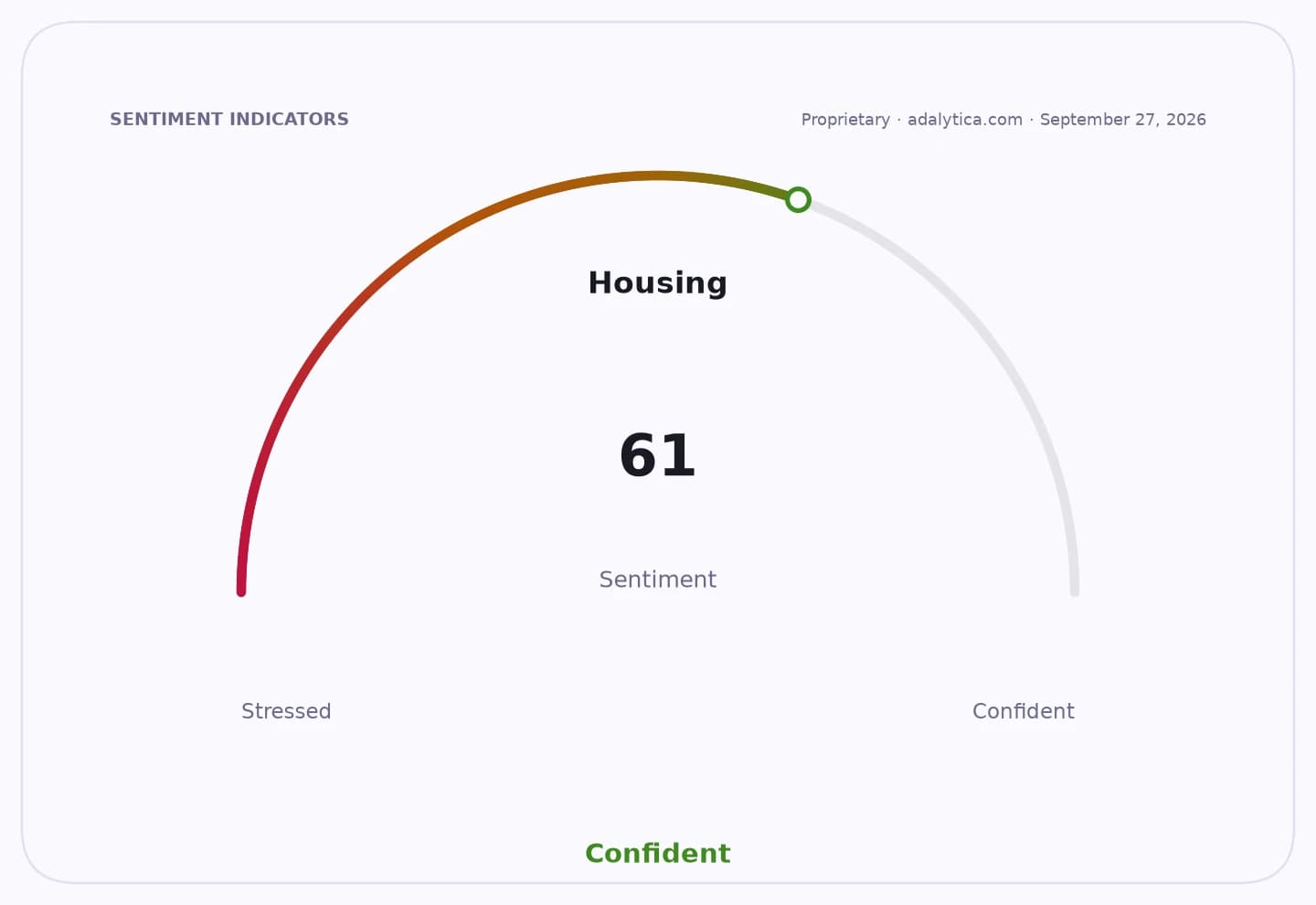
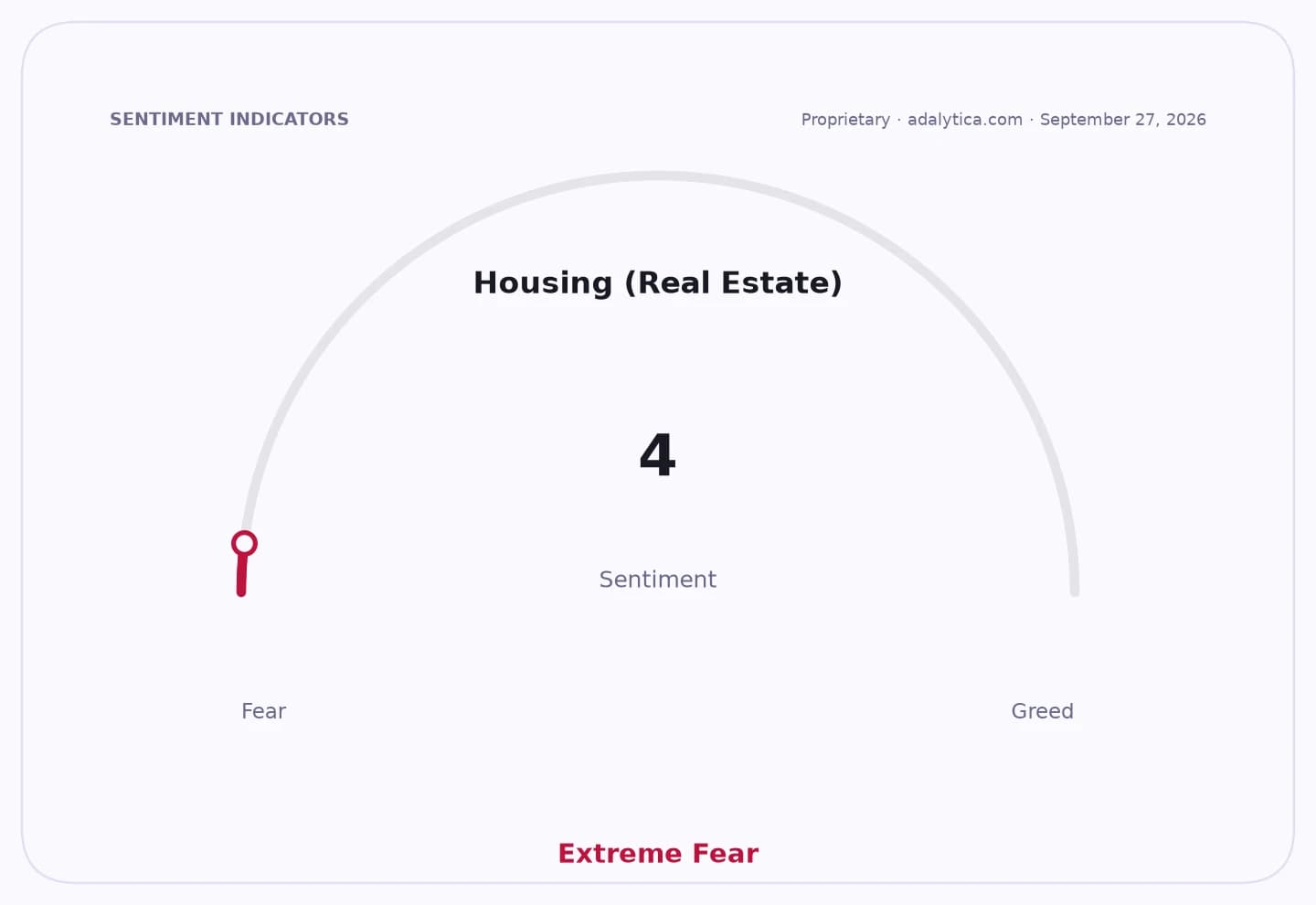
Sentiment IndicatorsⓘProprietary · adalytica.com · September 29, 2026
This is a snapshot — live sentiment, awareness and momentum for 130+ markets update continuously in the dashboard.Open AlphaPulse
That matters because housing inflation has not disappeared even if some local rent references have stabilized. French consumer prices remain well above pre-pandemic levels, and the cost of shelter continues to shape household budgets, mobility and consumption. In the broader housing market, scarce supply still supports prices and makes it easier for landlords and developers to keep leverage over tenants, especially in urban areas around Lyon. Participatory housing offers a partial escape from that dynamic by reducing speculative churn and giving residents more control over costs over time.
For investors and property players, the story is less about one project than about a shift in demand. If more households choose co-housing or participatory ownership, the market implications extend beyond social policy. It can soften demand for standard rental products at the margin, support mixed-use regeneration zones and add a layer of competition for traditional landlords in well-located districts. It also highlights that the housing shortage is not just a pricing problem but a structural one: when standard housing options do not meet affordability or lifestyle needs, alternative ownership models gain traction.
The bullish case for the participatory model is that it can help households lock in housing security, reduce exposure to rent increases and create more stable communities. The bear case is that it remains dependent on land availability, financing coordination and local administrative support, which limits scale. Even so, the Oullins-Pierre-Bénite project shows how the housing crisis is pushing demand toward new formats that blend social purpose with economic necessity.
| Entity | Gains | Losses |
|---|---|---|
| Participatory housing residents | ▲Lower long-term housing costs | ▼Less flexibility than renting |
| Traditional landlords | ▲Higher demand for standard rentals | ▼Competition from alternative ownership |
| Local government | ▲Socially mixed housing supply | ▼Pressure to deliver more affordable units |
| Housing developers | ▲Demand for innovative projects | ▼Lower margins than speculative builds |