South Korea’s new land and transport minister said he will put housing stability at the center of policy, signaling a push to speed apartment supply and ease rental-market strains that have been feeding household debt and affordability pressure.
South Korea minister backs housing supply push
The remarks matter because they point to a more hands-on approach to one of the country’s biggest economic pain points: a mismatch between housing supply and demand, rising stress in the jeonse and rental markets, and the knock-on effect on household borrowing. By promising to move beyond planning to actual groundbreakings and move-ins, the ministry is aiming to turn policy from announcements into physically deliverable homes.
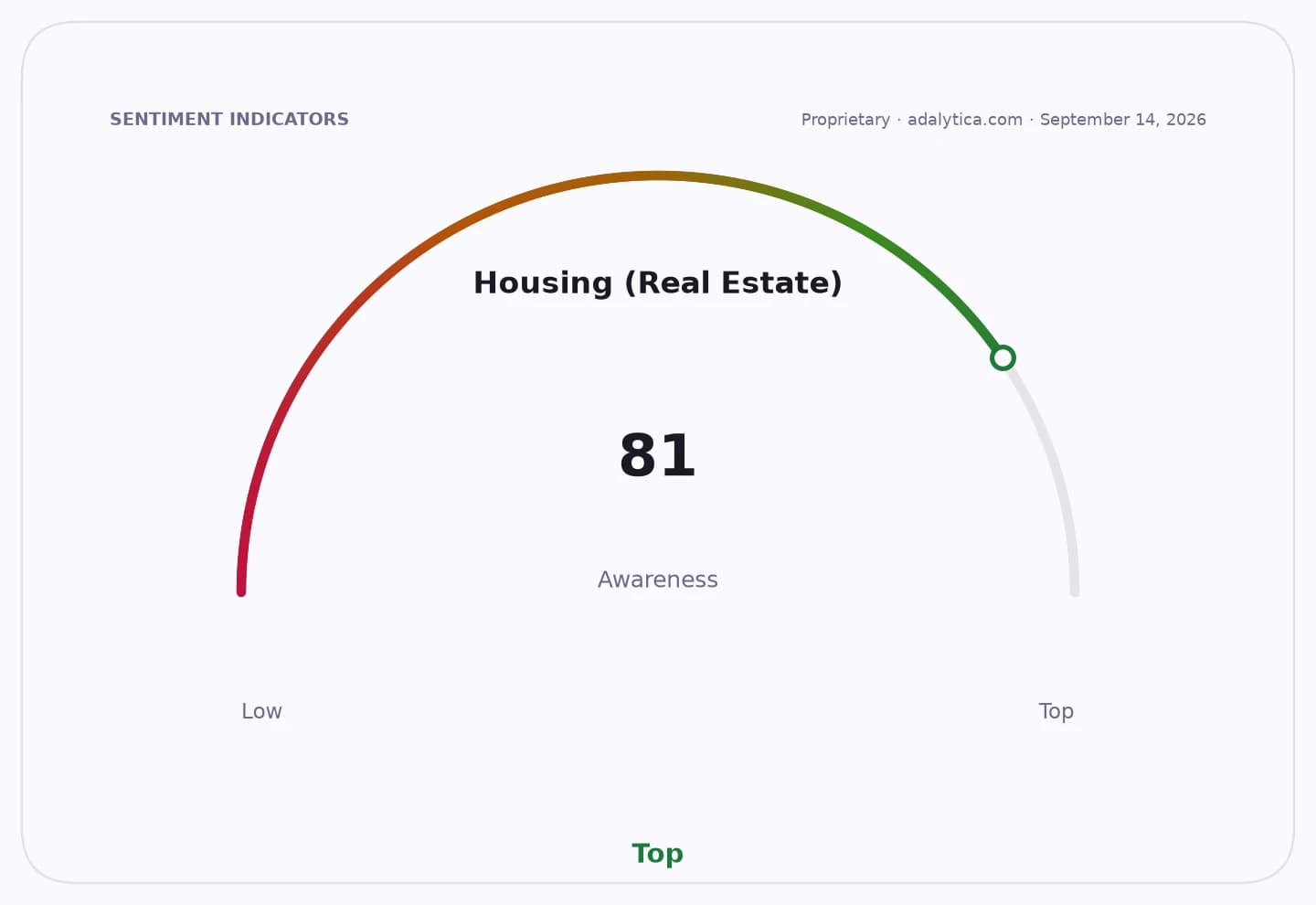
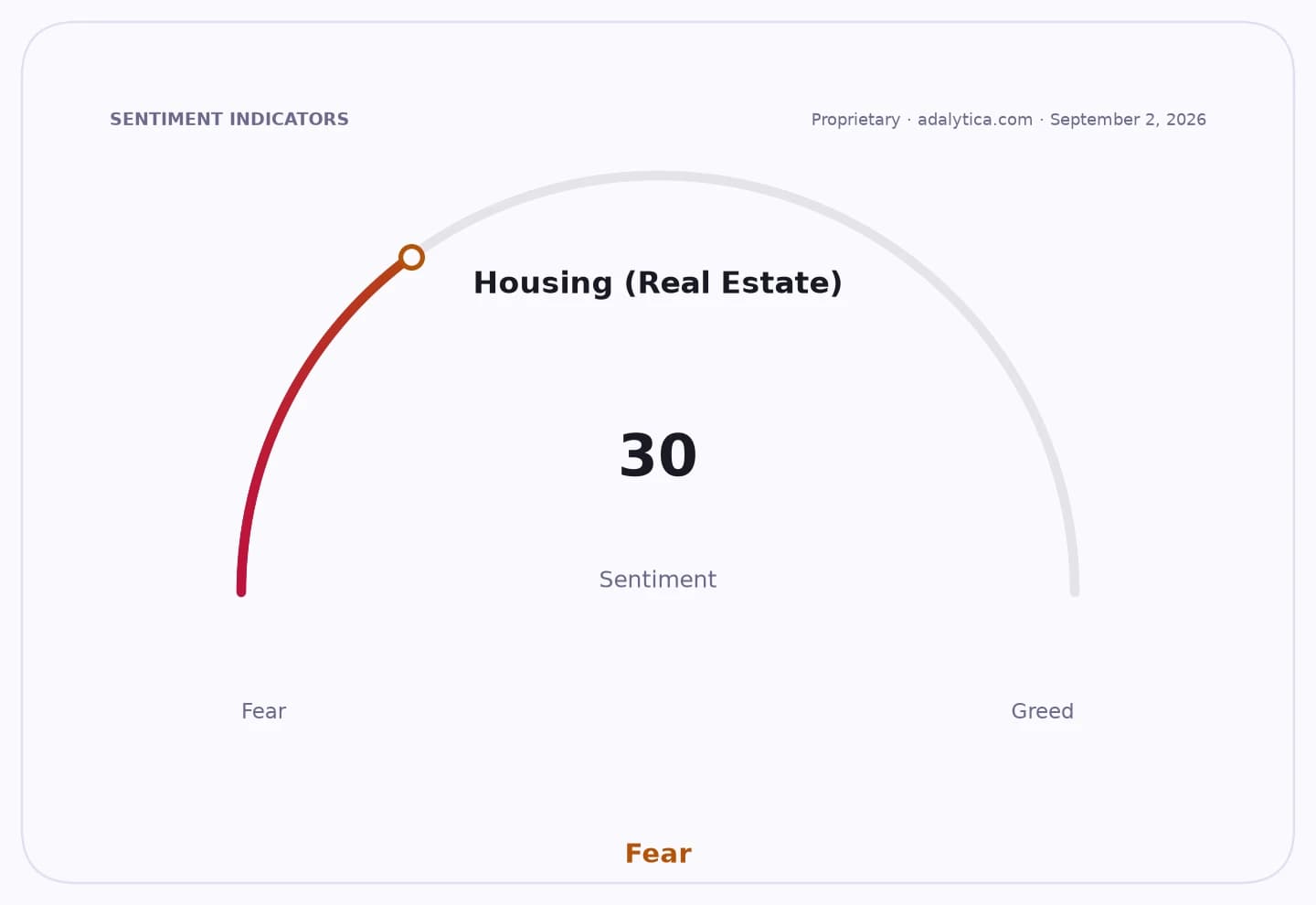
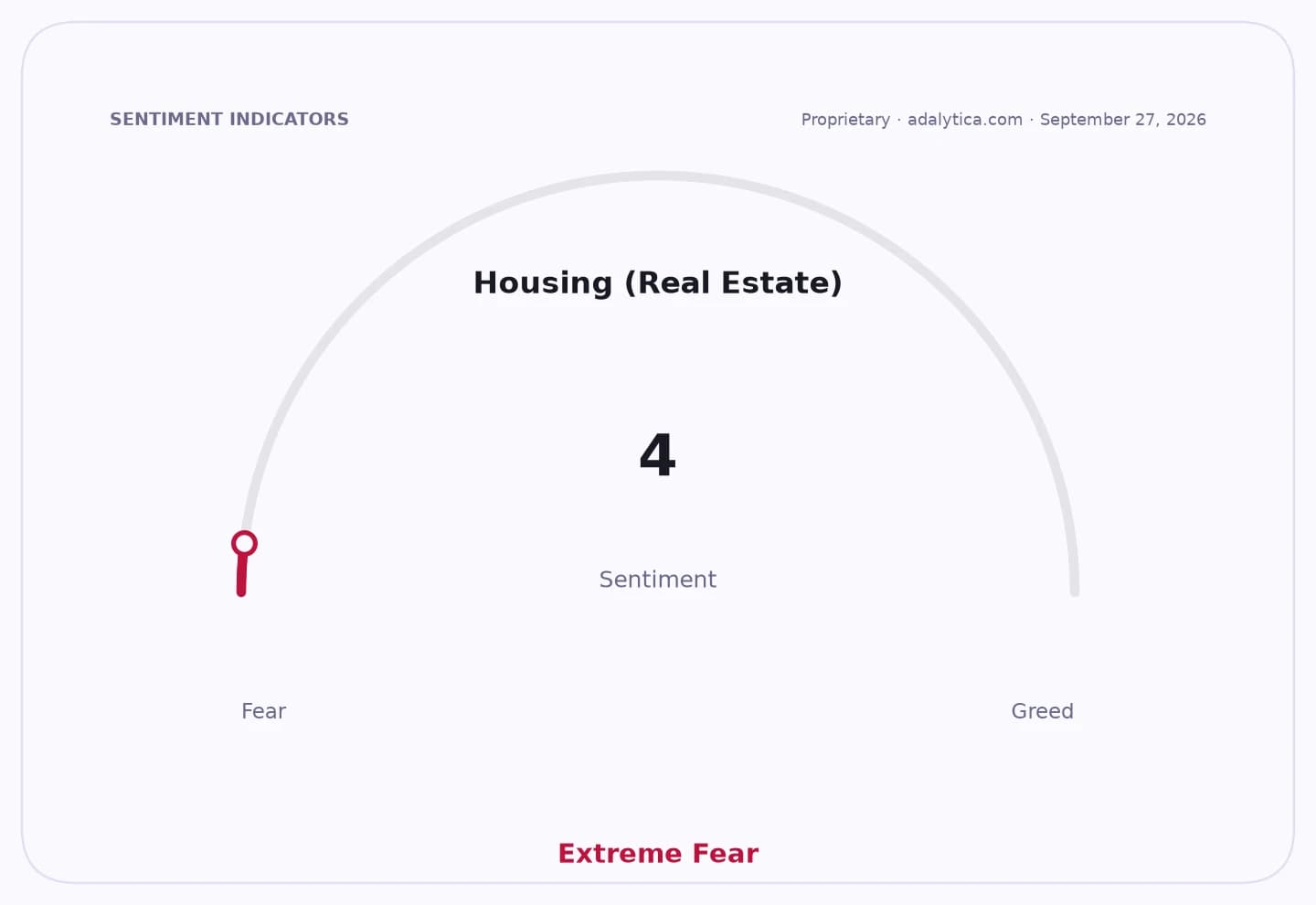
Sentiment IndicatorsⓘProprietary · adalytica.com · September 27, 2026
This is a snapshot — live sentiment, awareness and momentum for 130+ markets update continuously in the dashboard.Open AlphaPulse
Hong Ji-seon said the government will prioritize the 3rd new town projects and urban redevelopment sites, with a focus on getting them from approval to construction and occupancy. He also pledged faster integrated reviews and permitting through multi-layered consultative bodies with local governments, a move intended to cut bottlenecks that have long delayed supply.
For investors, the policy shift is relevant well beyond Korea’s housing market. Builders, land developers and infrastructure contractors could benefit if the ministry succeeds in accelerating project starts, while any easing in housing shortages could eventually cool price pressure and reduce the need for aggressive credit-fueled demand.
The minister also said the government will expand long-term private rentals and activate broader public rental housing to support younger households and first-time buyers. That suggests continued state involvement in the housing market, even as policymakers try to lean more heavily on practical implementation and local execution.
He tied the housing agenda to regional development as well, saying the ministry will speed a second round of public institution relocations and push projects in Sejong and Saemangeum. The broader message is that housing, infrastructure and regional balance will be treated as one policy package, with the next catalyst being how quickly the ministry can translate the rhetoric into permits, starts and actual supply.
| Entity | Gains | Losses |
|---|---|---|
| Homebuilders | ▲Faster approvals, more project starts | ▼Margin pressure from policy scrutiny |
| Renters and first-time buyers | ▲More supply, better access to housing | ▼Slower relief if execution lags |
| Local governments | ▲Greater role in approvals and planning | ▼More delivery pressure and oversight |
| Landlords/speculators | ▲Stabilized market, less disorder | ▼Less upside from tight supply |