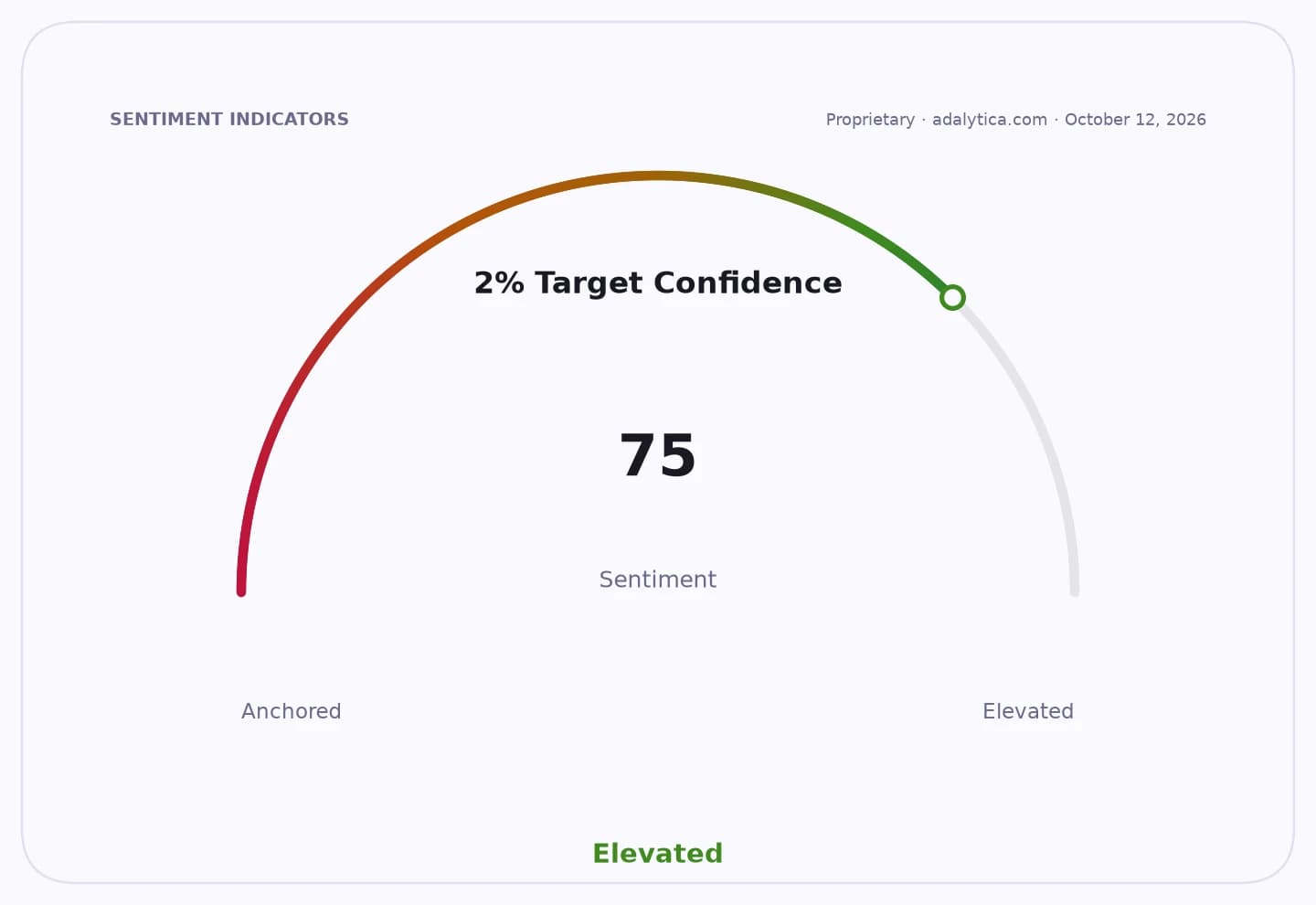
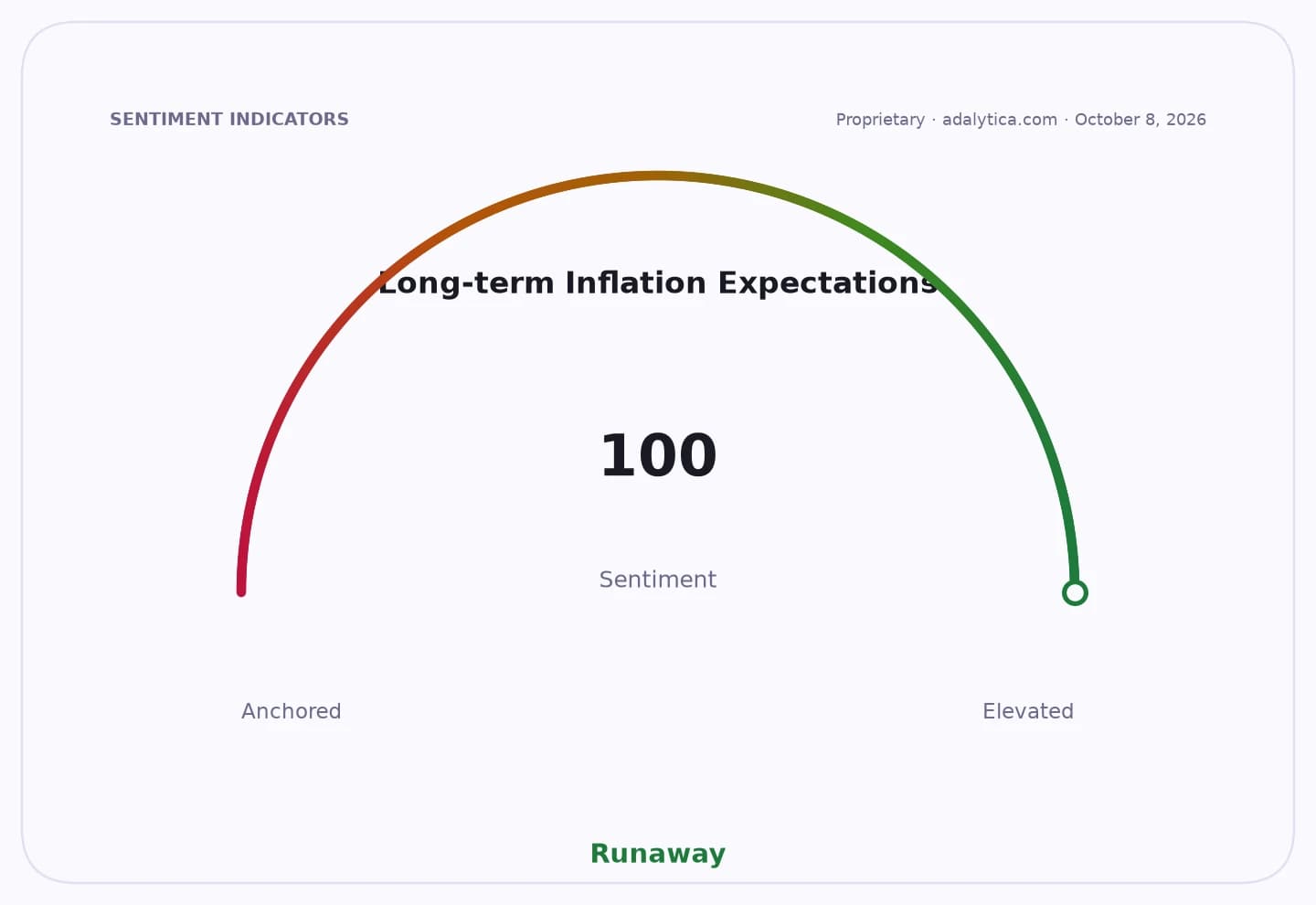
Spain’s inflation accelerated to 5.0% in September, the fastest pace in more than three years, sharpening the tension between a resilient economy and a still-sticky price backdrop that could keep European Central Bank policy restrictive for longer.
Spain Inflation Rises to 5.0% in September

The move matters because Spain is no longer behaving like a clean disinflation story inside the euro area. The harmonised EU measure rose from 4.6% in August, while core inflation climbed to 3.1% from 2.9%, showing price pressure is broadening beyond the most volatile food and energy components. That is a problem for policymakers trying to justify faster easing, and a problem for households whose purchasing power is still being eroded even as growth holds up.
For investors, the key point is that Spain is proving to be one of the euro zone’s strongest growth markets while inflation remains above target. The Bank of Spain has already lifted its 2026 GDP forecast to 2.6% and raised its inflation outlook to 3.9% for this year and 3.7% for 2027. The IMF now sees Spain growing 2.5% next year, the best outlook among major euro-area economies. That combination of better growth and higher inflation is exactly the sort of mix that can delay easier monetary policy, keeping funding costs elevated across the region.
The 5.0% reading also underscored how external shocks continue to feed Spain’s price pressures. Officials have pointed to international uncertainty, including conflict in Iran, as one factor sustaining energy and transport costs. That matters beyond Spain: when inflation re-accelerates in a large euro-zone economy, it complicates the ECB’s ability to declare victory over price growth and increases the chance that rates stay higher for longer than the market would like.
There is still a constructive equity case hidden inside the data. Spanish consumers are holding up better than many expected, exports remain firm, and banks, insurers and selected domestic cyclicals can benefit from a stronger nominal-growth backdrop. But rate-sensitive sectors, leveraged borrowers and consumer-facing businesses with weak pricing power are the ones most exposed if inflation stays elevated and real incomes remain under pressure.
My view is that the market underestimates how important Spain’s inflation rebound is for the euro zone’s policy path. If inflation remains sticky while growth keeps outperforming, the ECB may have less room to cut than investors have priced in. For investors, that argues for favoring Spanish and European businesses with pricing power, balance-sheet strength and exposure to real-economy growth, while staying cautious on the most rate-dependent names.
| Entity | Gains | Losses |
|---|---|---|
| Spanish exporters | ▲Stronger nominal demand | ▼Higher input costs |
| Banks and insurers | ▲Higher-for-longer rates | ▼Faster ECB easing bets |
| Consumers | ▲Wage growth in strong sectors | ▼Purchasing power erosion |
| Rate-sensitive borrowers | ▲— | ▼Sticky financing costs |