Spain’s economy is still doing the one thing investors like most: growing faster than expected, even as inflation refuses to cool in a straight line.
Spain growth forecast raised to 2.6% for 2026
That is the key message from the Bank of Spain, which lifted its 2026 growth forecast to 2.6% while also warning that inflation will remain elevated for at least two more years, with prices seen rising 3.9% this year and 3.7% in 2027. For long-term investors, that combination matters because it points to a late-cycle economy that is resilient enough to keep expanding, but not stable enough to give policymakers much room to relax.
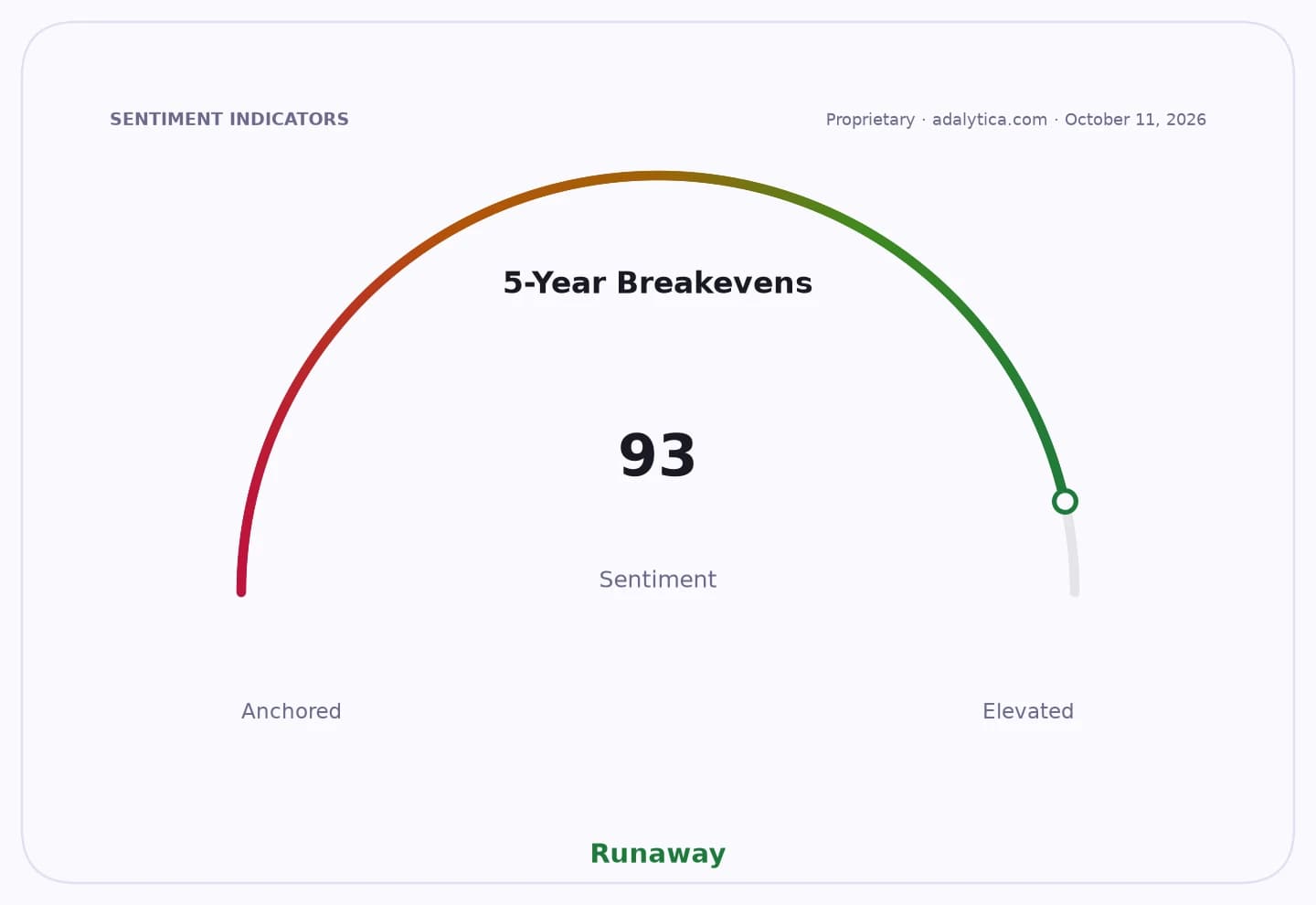
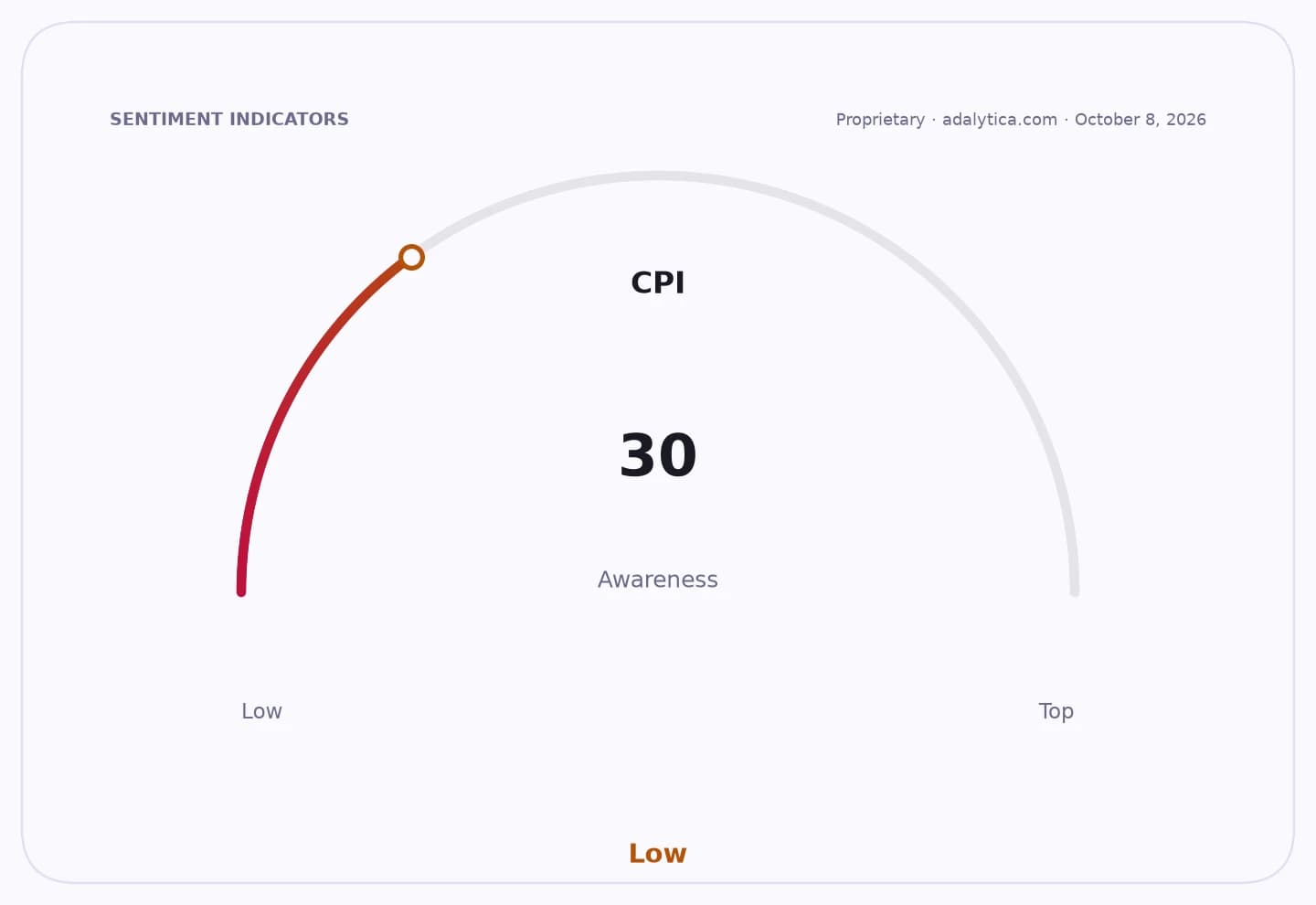
Sentiment IndicatorsⓘProprietary · adalytica.com · October 11, 2026
This is a snapshot — live sentiment, awareness and momentum for 130+ markets update continuously in the dashboard.Open AlphaPulse
The immediate economic story is encouraging. Spain’s growth is being supported by consumer spending and exports, two pillars that tend to matter more for the real economy than any single monthly data point. Strong domestic demand helps households, retailers and service businesses, while firm exports keep factories, logistics firms and tourism-linked industries moving. In other words, Spain is not depending solely on public spending or one-off stimulus to keep activity afloat.
But the inflation backdrop changes how investors should read that growth. The Bank of Spain’s higher price projections suggest households will continue to face pressure on purchasing power, even if nominal spending looks healthy. That is the kind of environment where top-line revenue can hold up, yet margins can get squeezed by wages, financing costs and stubborn input prices. It also means the European Central Bank is unlikely to get comfortable quickly, especially with regional price pressures still lingering and the broader euro-zone economy showing better-than-expected momentum.
That matters for Spanish equities and for Europe more broadly. Banks such as BBVA and Santander often benefit when activity is solid and rates stay relatively restrictive, but persistent inflation can eventually bite borrowers and slow loan demand. Spanish consumer-facing companies can enjoy better volumes, yet they also face a more cautious shopper if real income growth does not keep pace. Exporters, meanwhile, may benefit from resilient foreign demand, but they remain exposed to the same geopolitical and energy shocks that are helping keep inflation sticky.
The market picture underlines that tension. BBVA and Santander have both seen shares move sharply over recent months, a reminder that investors are weighing strong operating conditions against the risk that macro conditions stay messy for longer than hoped. The broader message is that Spain is not flashing recession signals; it is flashing durability. But durability with inflation is not the same thing as easy investing.
For long-term investors, that is exactly why Spain remains worth watching. An economy growing above 2% with export support and a healthy consumer base can create attractive earnings opportunities over a multiyear horizon. The catch is that inflation is still doing enough damage to keep central banks cautious and valuations selective. If you are building a portfolio for the next three to 10 years, Spain looks more like a place to look for resilient compounders than a market to chase blindly. Patience, diversification and attention to balance sheets still matter.
| Entity | Gains | Losses |
|---|---|---|
| Spanish consumers and exporters | ▲Stronger activity | ▼Sticky prices |
| BBVA and Santander | ▲Better loan demand | ▼Margin pressure from inflation |
| ECB policymakers | ▲Stronger growth data | ▼Less room to ease |
| Long-term investors | ▲More earnings opportunities | ▼Higher macro uncertainty |