Spain’s central bank has lifted its inflation forecast to 3.9% for this year and warned prices could jump above 4% next year if energy markets stay volatile, underscoring how the Middle East conflict is filtering into consumer bills, public finances and the growth outlook.
Spain Raises Inflation Forecast to 3.9% on Energy
The Bank of Spain’s new projections are the clearest sign yet that the energy shock is becoming the dominant macro risk for the Spanish economy. It expects inflation to accelerate further in 2027 to 3.7%, while the worst-case scenario now puts the rate at 4.1% this year and 4.6% next year if geopolitical tensions intensify again.
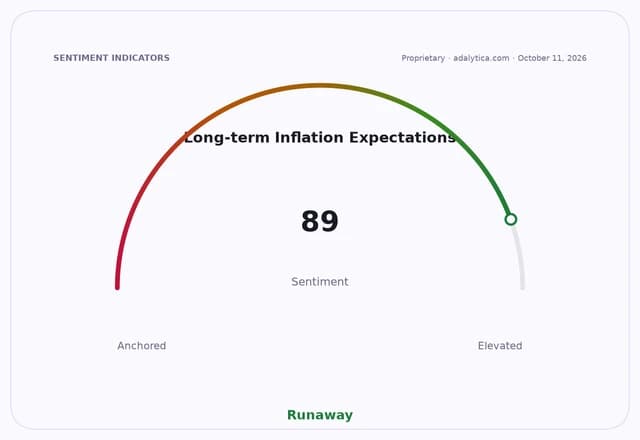
That matters for investors because persistent energy inflation can keep pressure on European interest-rate expectations, weaken household purchasing power and complicate the path for rate-sensitive assets. It also raises the odds that policymakers have to tolerate slower disinflation even as growth remains relatively resilient.
The bank said the recent rise in inflation has outpaced the wider euro zone, driven mainly by energy, which surged 22% in September from a year earlier. Spain’s government measures have cushioned some of the blow, but the central bank said those packages came at a fiscal cost of 0.52% of GDP, or about 8.78 billion euros, even as they delivered 3.675 billion euros in direct savings to households.
The fiscal offset is not trivial. The central bank now sees the deficit worsening by 0.25 percentage point this year from the aid measures, partly offset by a 0.1-point improvement from a better macro backdrop. It also nudged its GDP growth forecast up to 2.6% for this year and 2.2% for 2027, suggesting the economy can absorb some of the shock for now.
Still, the inflation outlook is deteriorating. The central bank sees full-year headline inflation near 5% once the temporary energy measures are stripped out, with underlying inflation ending this year at 3.4% and next year at 3.5%. Wage growth is forecast at 3.7% next year, keeping pressure on firms’ labor costs even as the labor market cools.
Energy stocks have already reflected the tension. The Energy Select Sector SPDR Fund, XLE, has climbed to 65.08, near the top of its recent range, while the United States Oil Fund, USO, is trading at 148.20 after violent swings in crude. On the technical side, USO remains above its 200-day moving average, while its 50-day moving average has risen sharply, showing crude-linked assets are still being driven by supply-risk headlines rather than a clean disinflation trend.
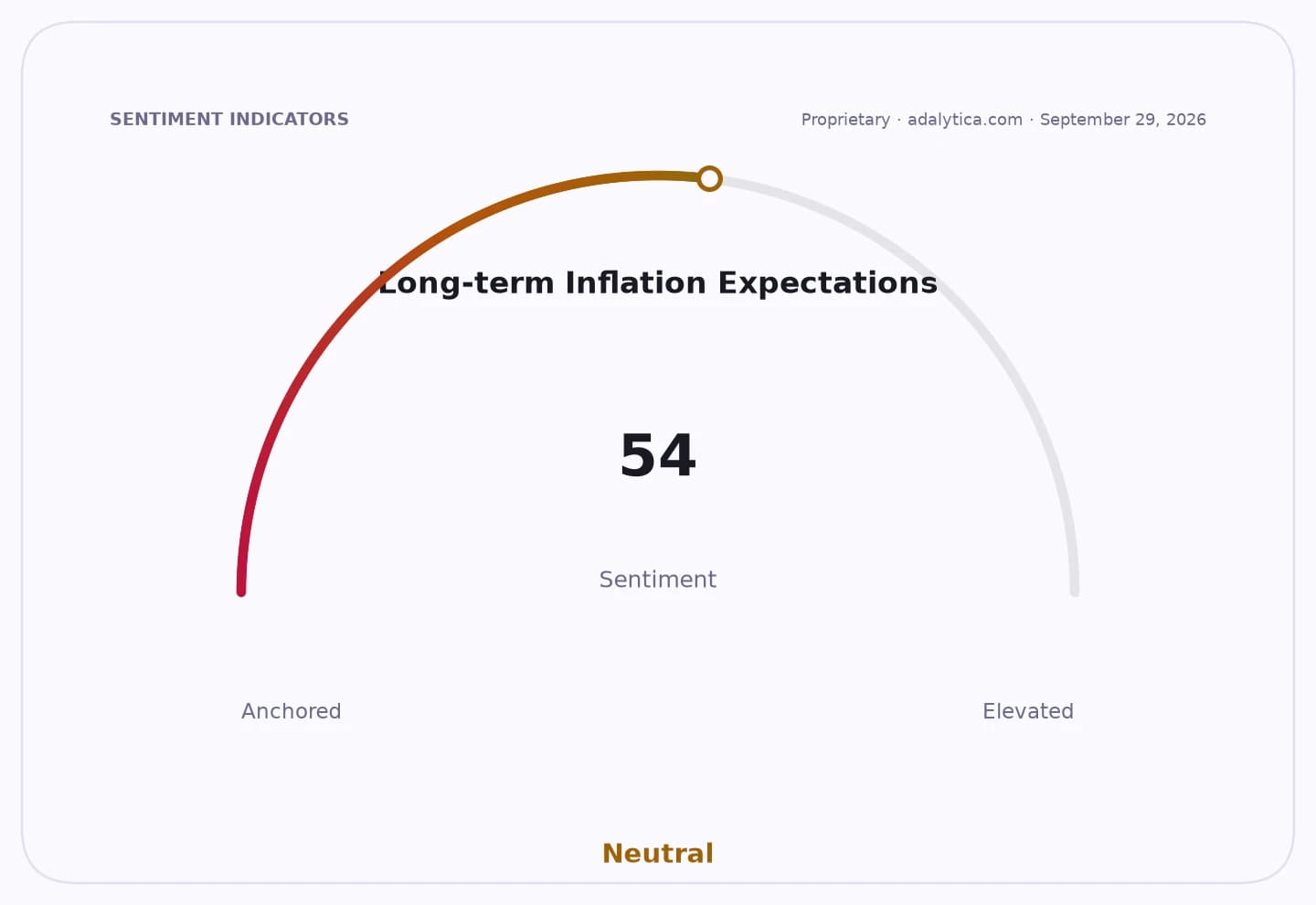
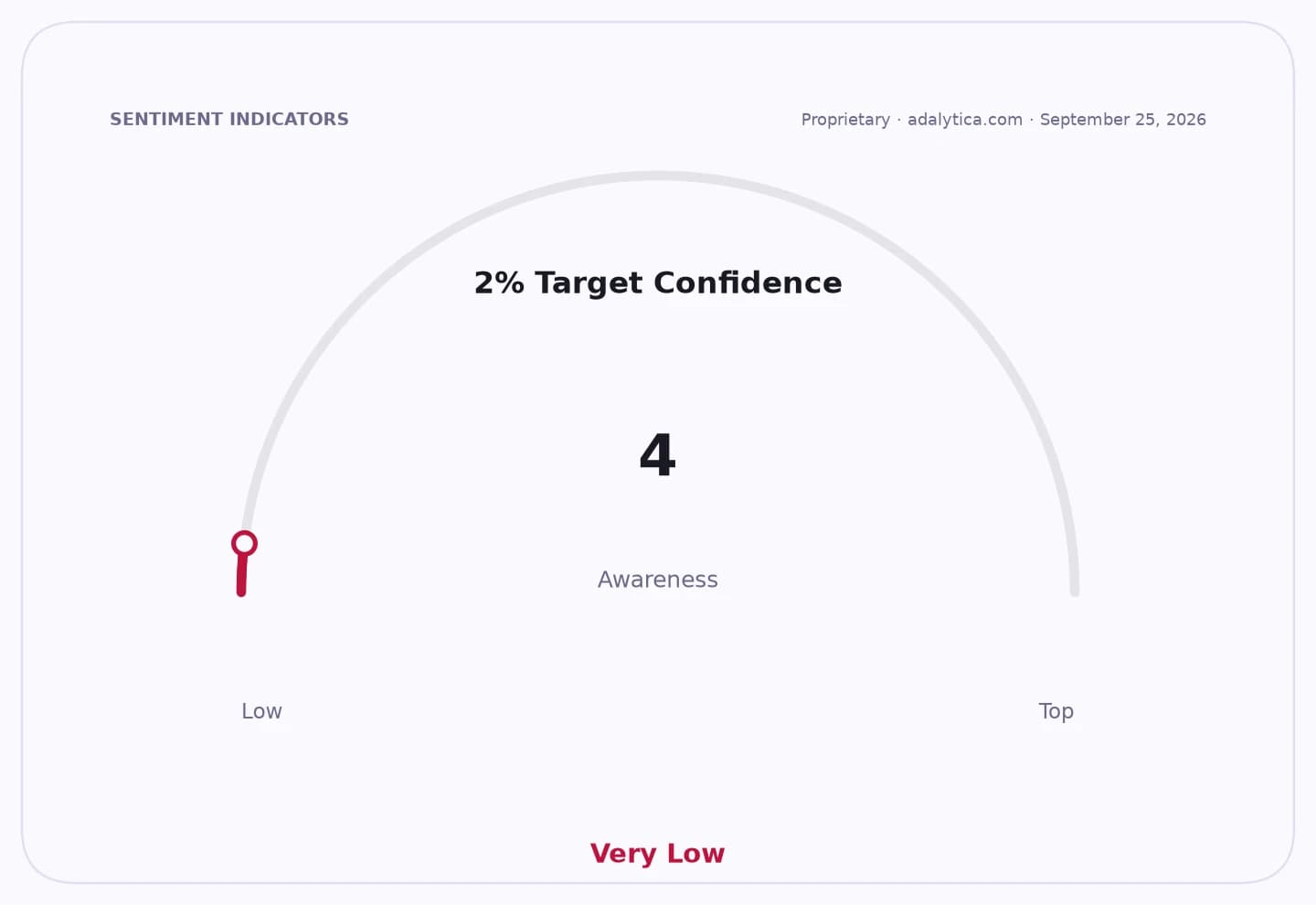
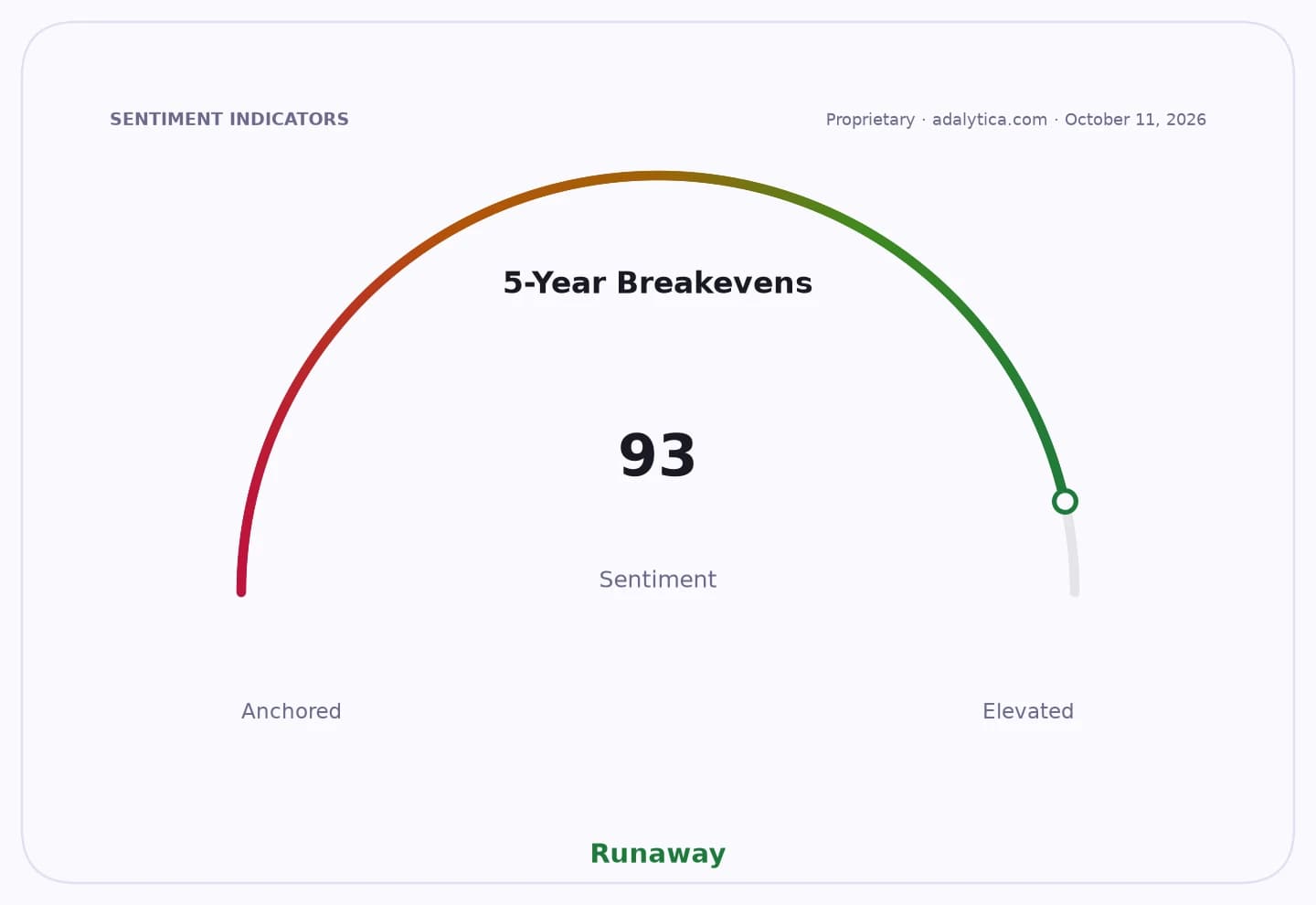
Adalytica’s long-term inflation expectations gauges also point to rising market anxiety, with the 5-year inflation breakeven sentiment at 93 and the confidence in the Fed’s 2% target at 75, both in levels consistent with elevated inflation concern. Wage inflation sentiment is likewise at 96, suggesting investors and policymakers are still bracing for a sticky-price environment.
For markets, the key question is whether the current energy shock proves temporary or becomes another year-long inflation driver. The next move in crude, European gas and geopolitical risk will likely determine whether Spain’s 3.9% forecast is the peak or just a waypoint on the way to a hotter 2027.
| Entity | Gains | Losses |
|---|---|---|
| Energy producers | ▲Higher realized prices | ▼Consumer demand pressure |
| Spanish households | ▲Government aid cushions bills | ▼Higher inflation and utility costs |
| Spanish government | ▲Softer growth supports tax base | ▼Wider deficit from subsidies |
| Rate-sensitive investors | ▲Better growth outlook | ▼Sticky inflation and policy uncertainty |