Eurozone annual inflation held at 3.2% in September, keeping price growth well above the European Central Bank’s 2% target and underscoring why policymakers are likely to stay cautious on any easing. The reading matched August and came as transport costs, led by fuel, and housing-related expenses did most of the work keeping inflation elevated.
Eurozone inflation held at 3.2% in September
The stickiness matters because it limits how quickly the ECB can pivot toward rate cuts without risking a renewed price surge. Markets had been looking for clearer evidence that inflation was fading sustainably, but the September figure suggests that the disinflation path remains uneven, especially with energy and housing still adding pressure.
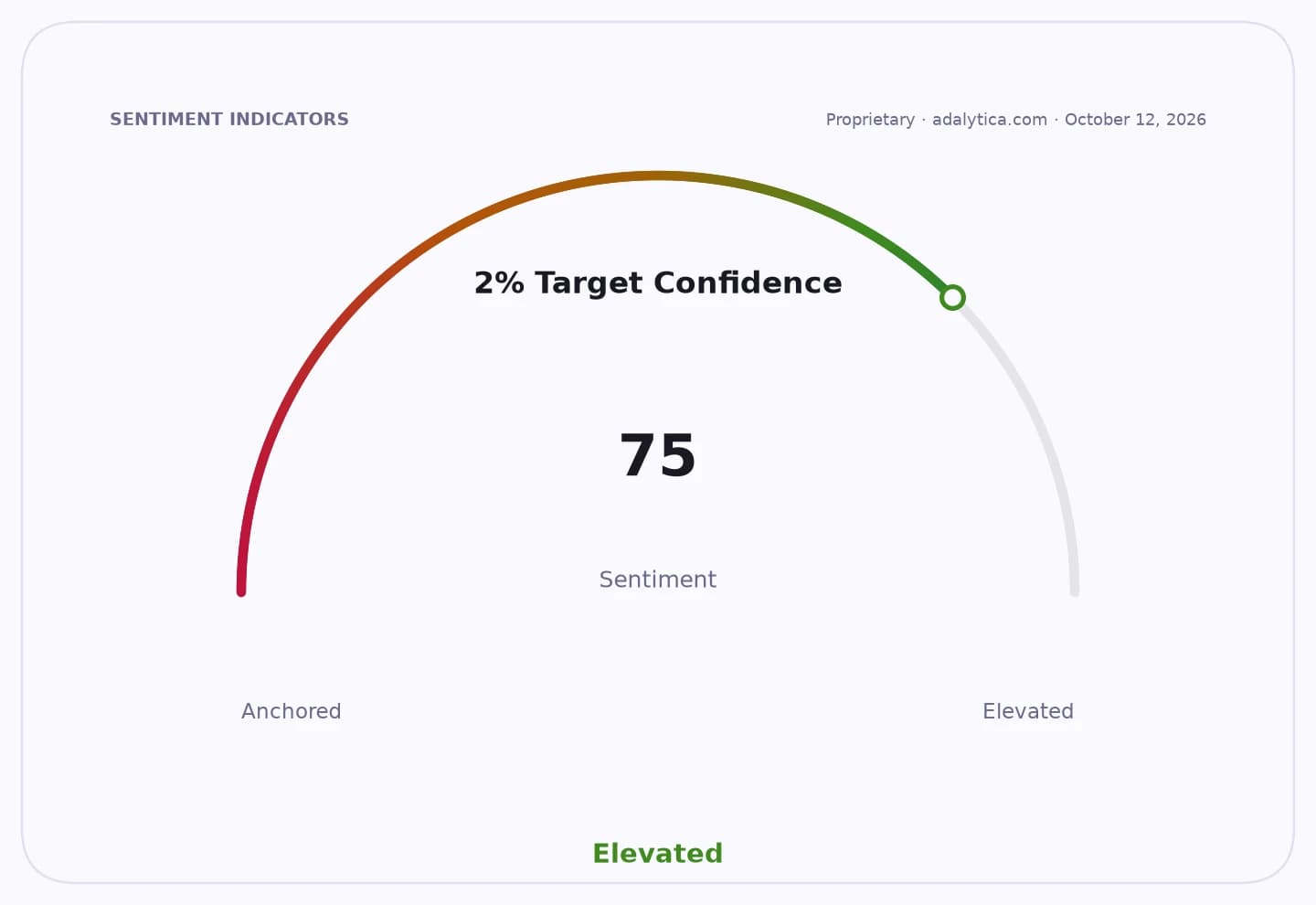
Sentiment IndicatorsⓘProprietary · adalytica.com · October 12, 2026
This is a snapshot — live sentiment, awareness and momentum for 130+ markets update continuously in the dashboard.Open AlphaPulse
Food prices were not the problem this time. Food and non-alcoholic beverages fell 4.8% from a year earlier, with butter down 24.6%, bread off 5.7%, skimmed milk down 17.2% and fresh or frozen poultry down 7.4%.
Instead, transport prices rose 12.6%, driven mainly by fuel, which jumped 35.3%. Diesel climbed 39.1%, petrol 29.5% and autogas 3.0%, while housing, water, electricity, gas and other fuels rose 7.3% on the year as heating energy and utility costs increased.
The data also showed healthcare prices up 2.9%, recreation, sport and culture up 5.6%, and hospitality and food service prices up 5.7%. For investors, that mix points to continued pressure on European bonds and rate-sensitive stocks, especially if the ECB keeps policy restrictive for longer than markets had hoped.
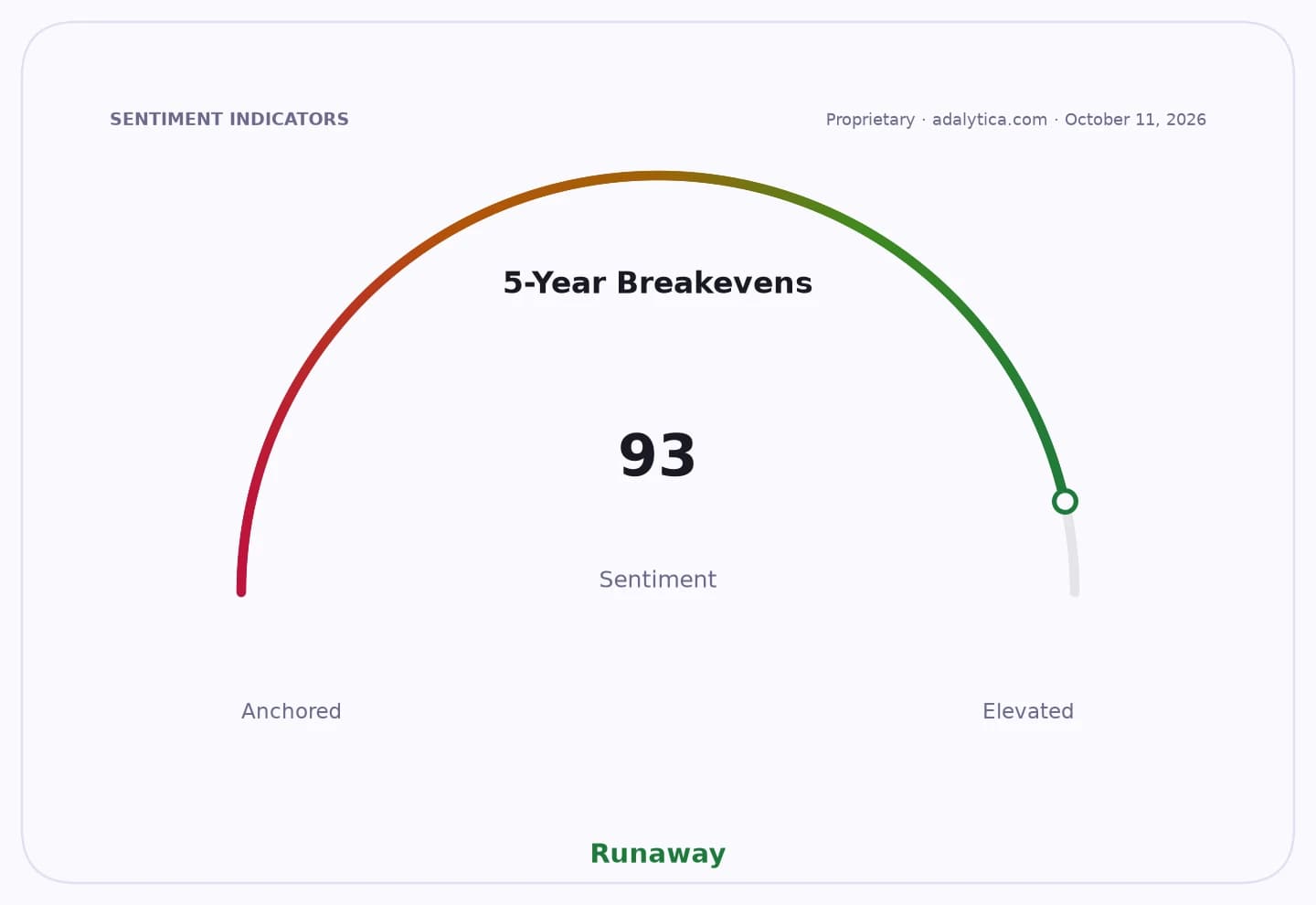
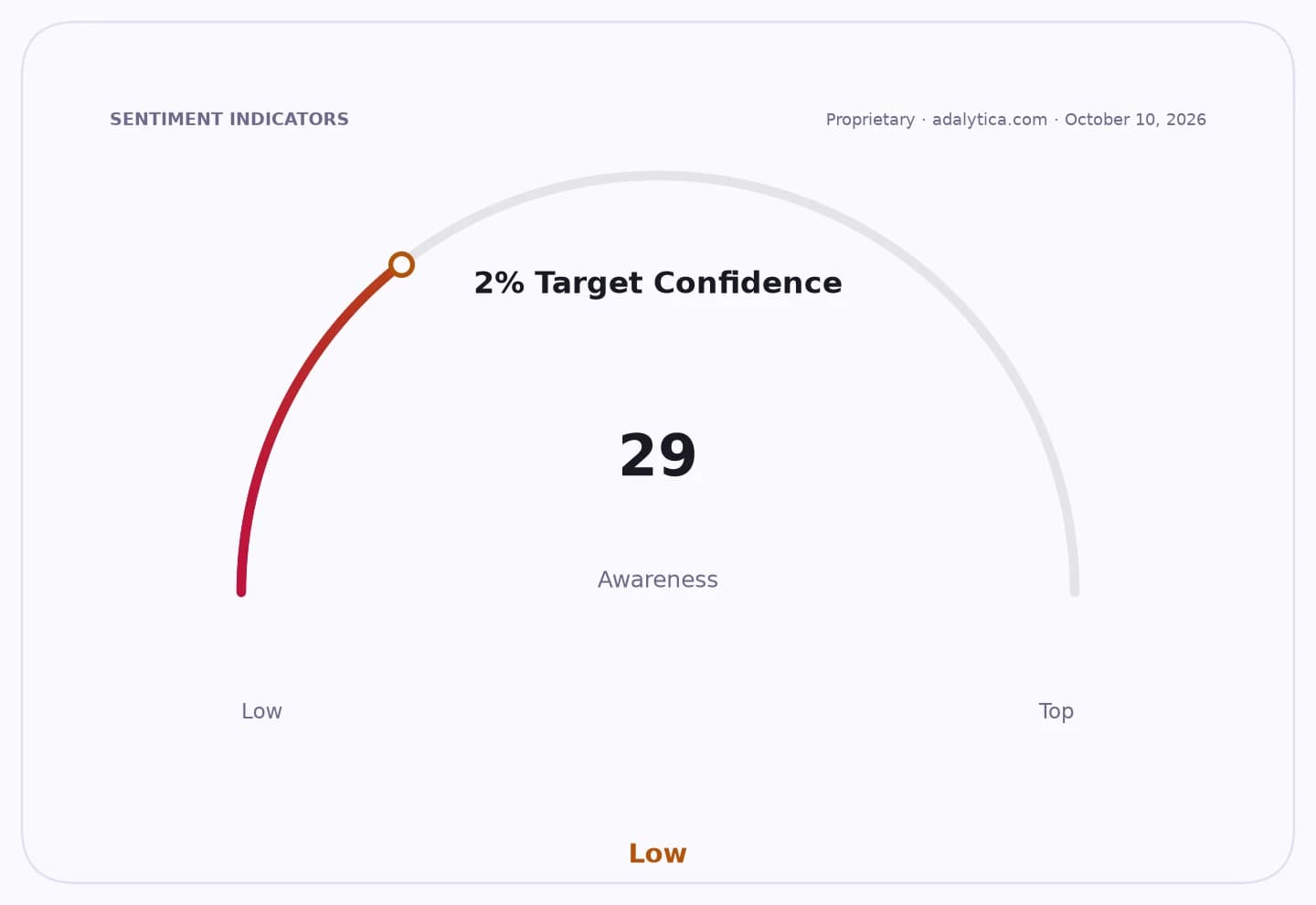
Inflation expectations are also becoming harder to ignore. Adalytica’s long-term inflation expectations sentiment and five-year breakeven sentiment both remained in extreme greed territory, suggesting traders are not yet comfortable that inflation risks have fully receded.
The next catalyst is the ECB’s policy guidance and the next round of labor and energy data, which will show whether September’s inflation plateau is temporary or the start of a slower descent.
| Entity | Gains | Losses |
|---|---|---|
| ECB hawks | ▲More case for caution | ▼Faster rate cuts |
| Euro bond bears | ▲Higher yields longer | ▼Bond price gains |
| Energy exporters | ▲Stronger pricing power | ▼Fuel consumers |
| Consumers | ▲Cheaper food basket | ▼Higher utility and transport bills |