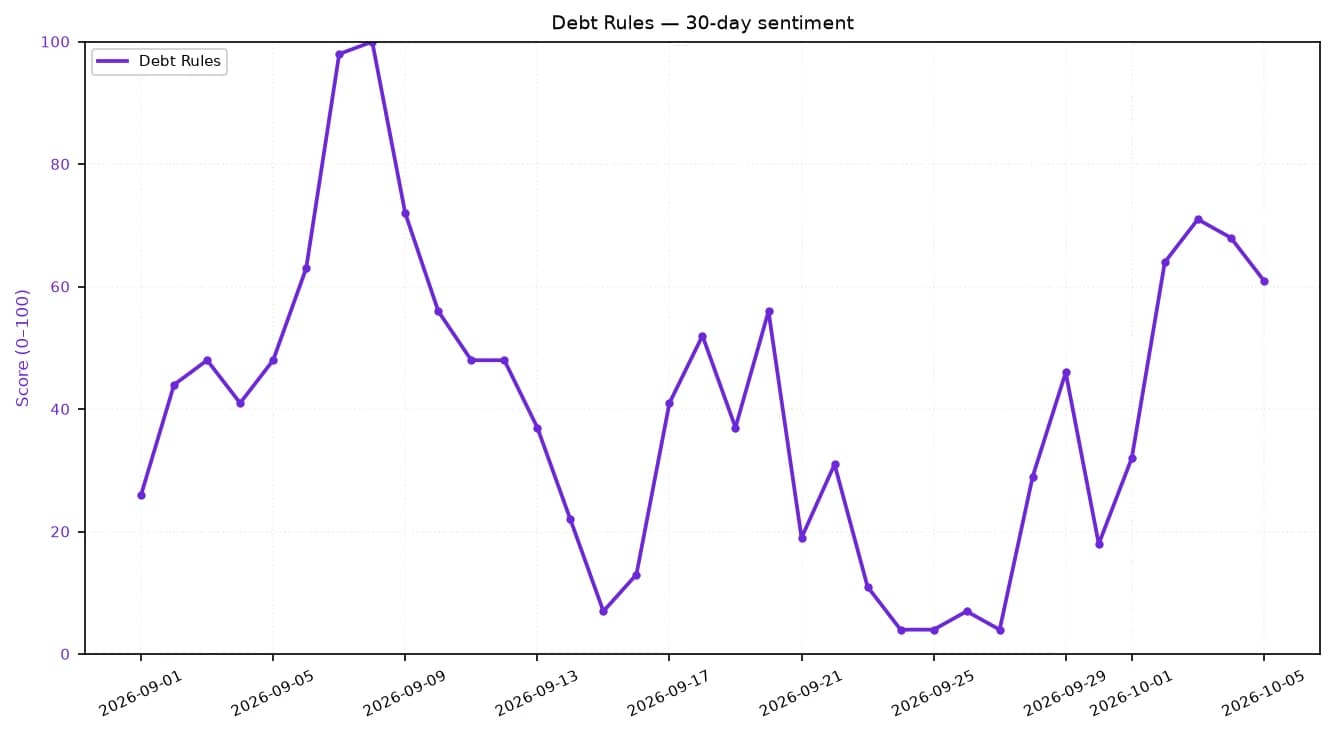
The European Central Bank is signaling that Europe’s rising debt burden could shape future rate decisions, a shift that matters because it raises the cost of keeping policy tight for longer in a region already struggling with weak growth and heavy public borrowing.
ECB Debt Concerns Shape Future Rate Decisions

The message from the minutes is not that the ECB is suddenly pivoting to easier money. It is that debt sustainability is moving closer to the center of the policy debate. That matters economically because higher refinancing costs across sovereigns, corporates and banks can slow credit creation, squeeze fiscal space and deepen the region’s growth problem. With the euro around $1.12 and the 10-year U.S. Treasury near 5.23% versus the 2-year at 4.73%, global borrowing costs remain elevated enough to keep pressure on funding models everywhere.
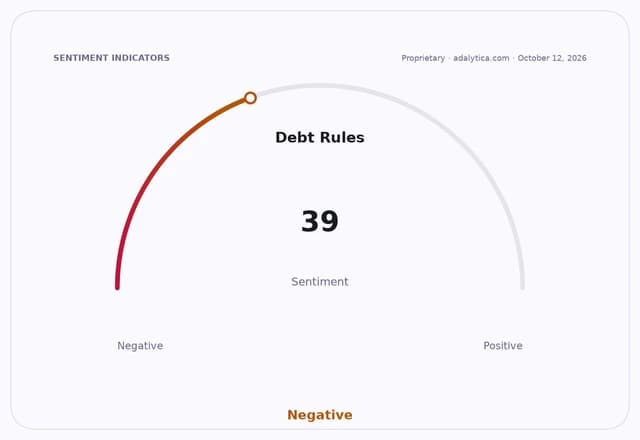
For Europe, the concern is especially acute. The ECB has spent the past two years fighting inflation, but the longer rates stay restrictive, the more debt service costs rise for governments and companies that have been able to roll over liabilities cheaply for years. That creates a feedback loop investors cannot ignore: weaker demand weighs on revenues, while higher interest expense erodes margins and fiscal flexibility. In other words, debt is no longer just a background macro variable — it is becoming a policy constraint.
That is why the market should treat the minutes as more than bureaucratic language. If the ECB starts weighing debt implications more heavily, it raises the odds that future cuts arrive sooner or are delivered more cautiously than inflation hawks would like. The euro’s slump and technical weakness — with RSI readings deeply oversold and the pair trading below both the 50-day and 200-day moving averages — already show how fragile sentiment has become around Europe’s policy outlook.
DGS10 vs DGS2 — macro contextadalytica.com
Explore this data interactively — full history, time series and cross-market comparisons.Open AlphaPulse
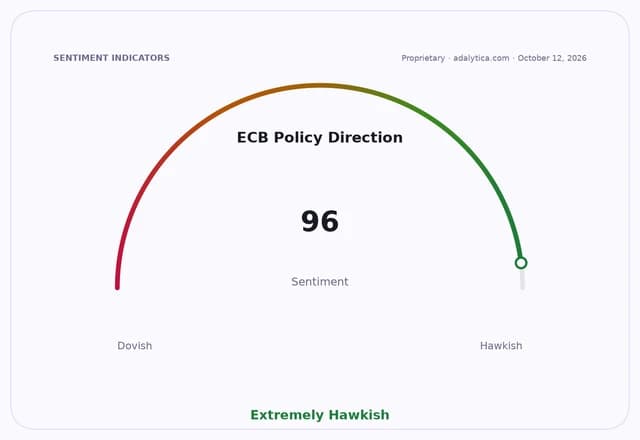
Investors should focus on the second-order winners and losers. Lower policy rates would help indebted sovereigns, leveraged European banks and rate-sensitive domestic equities, while prolonged tight policy would continue to favor cash-rich exporters, defensive balance-sheet names and companies with pricing power. The most asymmetric trade may be in high-quality European financials and infrastructure names that can benefit if the ECB is forced to ease without a recession, while avoiding the weakest balance sheets that depend on cheap refinancing to survive.
Our thesis is simple: the market underestimates how quickly debt sustainability can force a change in tone once growth softens. The ECB does not need to declare victory on inflation to start worrying more openly about the cost of debt. If that concern deepens, it will not just shape the next rate move — it will help define the next leg for European currencies, bonds and bank stocks. Position for the policy pivot before it becomes consensus.
| Entity | Gains | Losses |
|---|---|---|
| Indebted eurozone governments | ▲Lower refinancing pressure | ▼Higher debt-service burden |
| European banks | ▲Easier credit conditions | ▼Slower loan growth, weaker borrowers |
| Rate-sensitive European equities | ▲Valuation support from cuts | ▼Prolonged restrictive policy |
| Euro / ECB hawks | ▲— | ▼Weaker currency, slower disinflation narrative |