The European Central Bank is now expected to deliver another 25-basis-point rate hike in December as euro zone inflation holds at 3.8%, almost double the ECB’s 2% target, a Reuters poll showed.
ECB Rate Hike Expected as Euro Zone Inflation Stays High
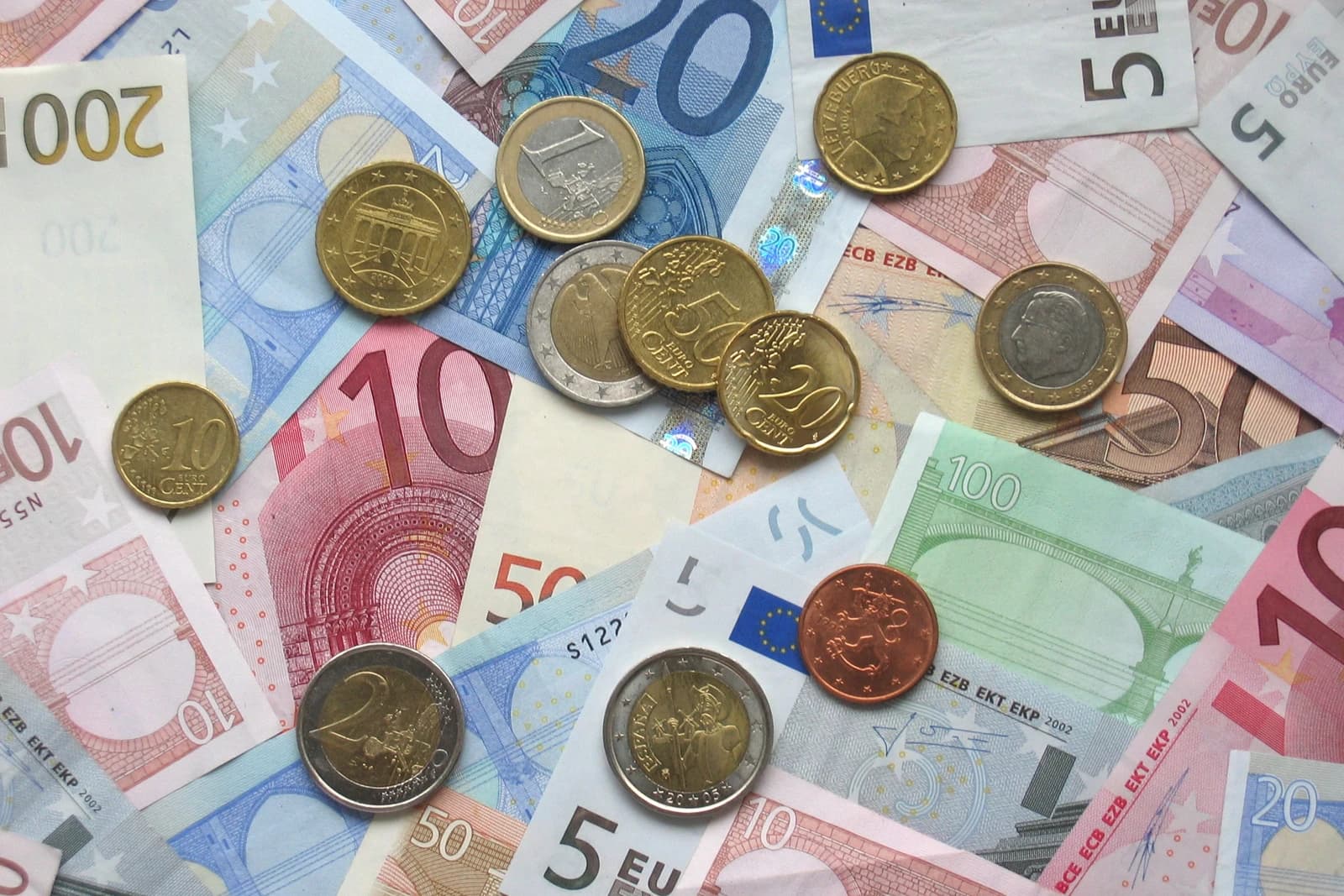
That marks a sharp shift from just a month ago, when most economists thought the central bank had finished tightening. Now, 64 of 73 economists expect the deposit rate to rise from 2.50% to 2.75% in December, underscoring how persistent inflation and higher bond yields are forcing policymakers back toward a more hawkish stance.
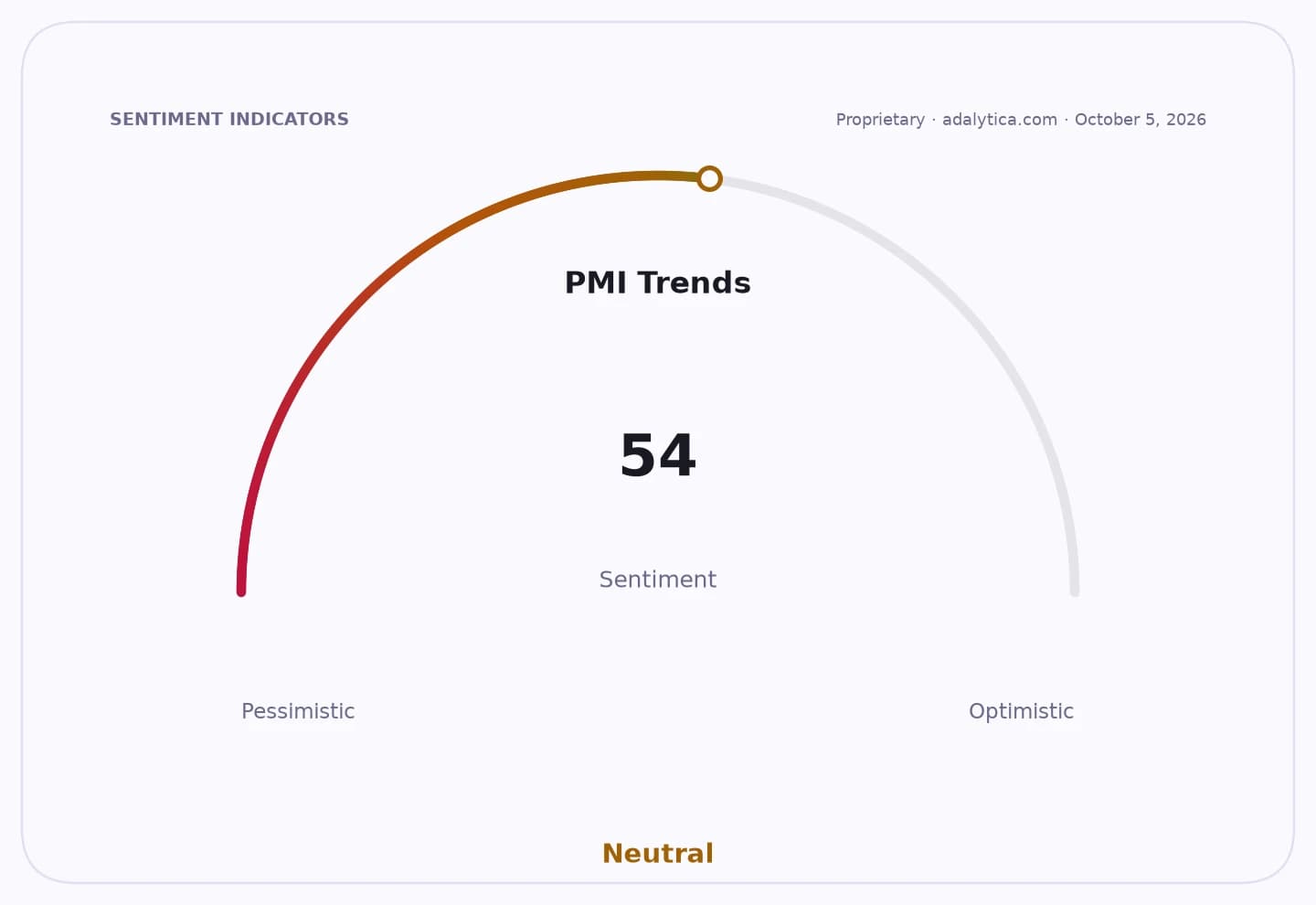
Sentiment IndicatorsⓘProprietary · adalytica.com · October 9, 2026
This is a snapshot — live sentiment, awareness and momentum for 130+ markets update continuously in the dashboard.Open AlphaPulse

The shift matters for Europe’s growth outlook as well as its funding costs. Global government bond yields have climbed in recent weeks on firmer inflation expectations and fiscal concerns, with France drawing particular attention from investors. In the euro area, higher market rates are already doing some of the ECB’s work, but they are also tightening financial conditions for governments, companies and households at a time when the economy is still only gradually recovering.
For investors, the poll reinforces the view that the ECB is unlikely to declare victory over inflation any time soon. A majority of economists see the deposit rate peaking at 2.75%, though more than a third now expect 3.00%, and markets are pricing nearly three hikes by the end of 2027. That keeps pressure on euro zone bond prices and supports a stronger rate backdrop for the euro, even as it weighs on rate-sensitive stocks and debt-heavy borrowers.

The ECB is expected to hold rates steady at its October 29 meeting, with policymakers favoring what President Christine Lagarde has called a “measured response.” There is scant evidence so far that higher energy costs linked to the US-Israeli war with Iran are spilling into broader consumer prices, but the inflation outlook has still been revised up: economists now see prices averaging 3.7% this quarter and 3.0% this year, while growth is forecast to improve modestly to 1.0% in 2026.
The message for markets is that the ECB has not moved into easing mode, and bond traders may have to price in a longer period of restrictive policy if inflation remains sticky and growth proves more resilient than expected. The next catalyst is the ECB’s late-October meeting, followed by December data and guidance on whether policymakers stick to a quarterly tightening path.
| Entity | Gains | Losses |
|---|---|---|
| ECB hawks | ▲credibility on inflation | ▼pressure from weak growth |
| Euro zone bondholders | ▲higher yield carry | ▼more price losses |
| Banks | ▲wider lending margins | ▼weaker loan demand |
| Governments and borrowers | ▲none | ▼higher refinancing costs |