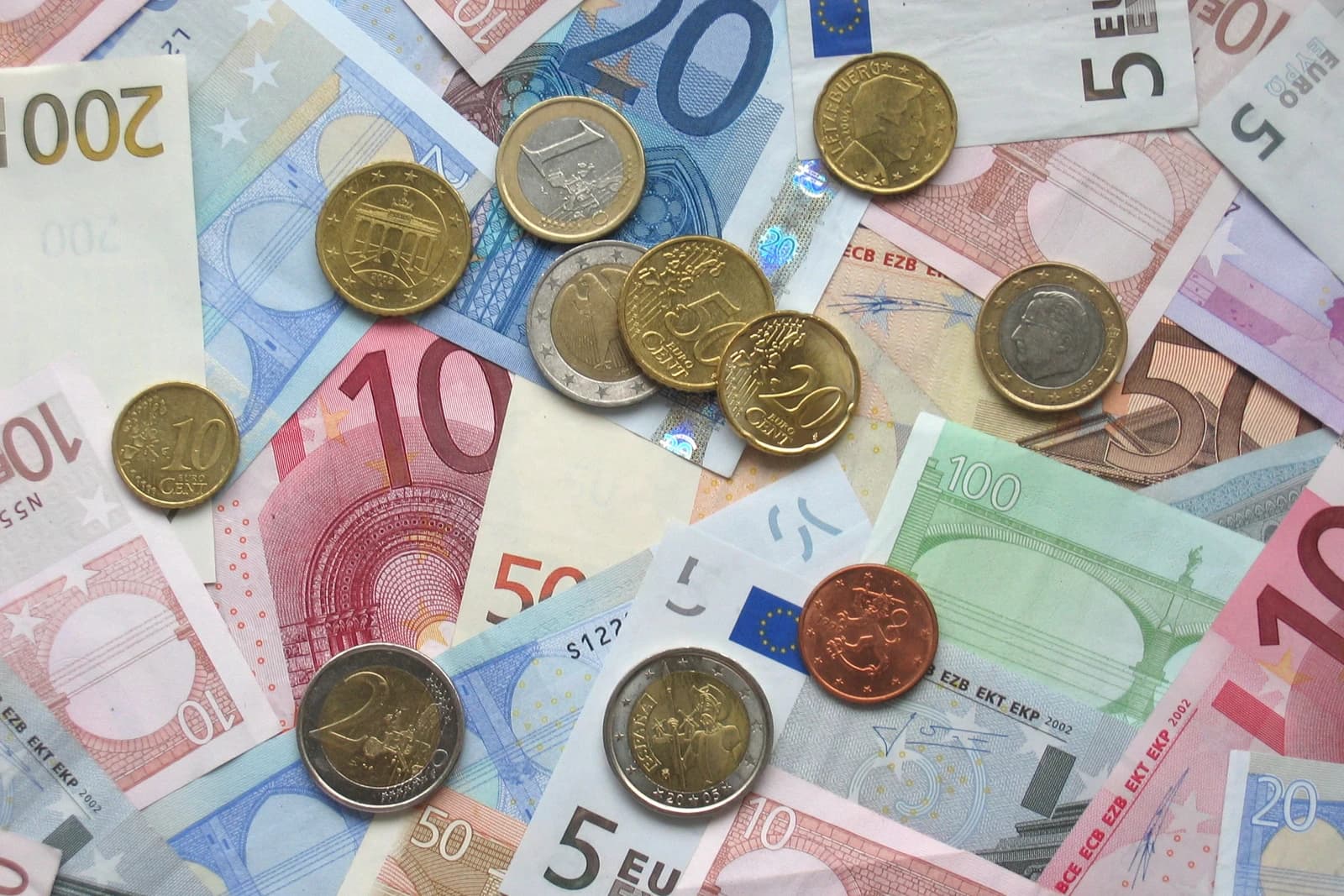
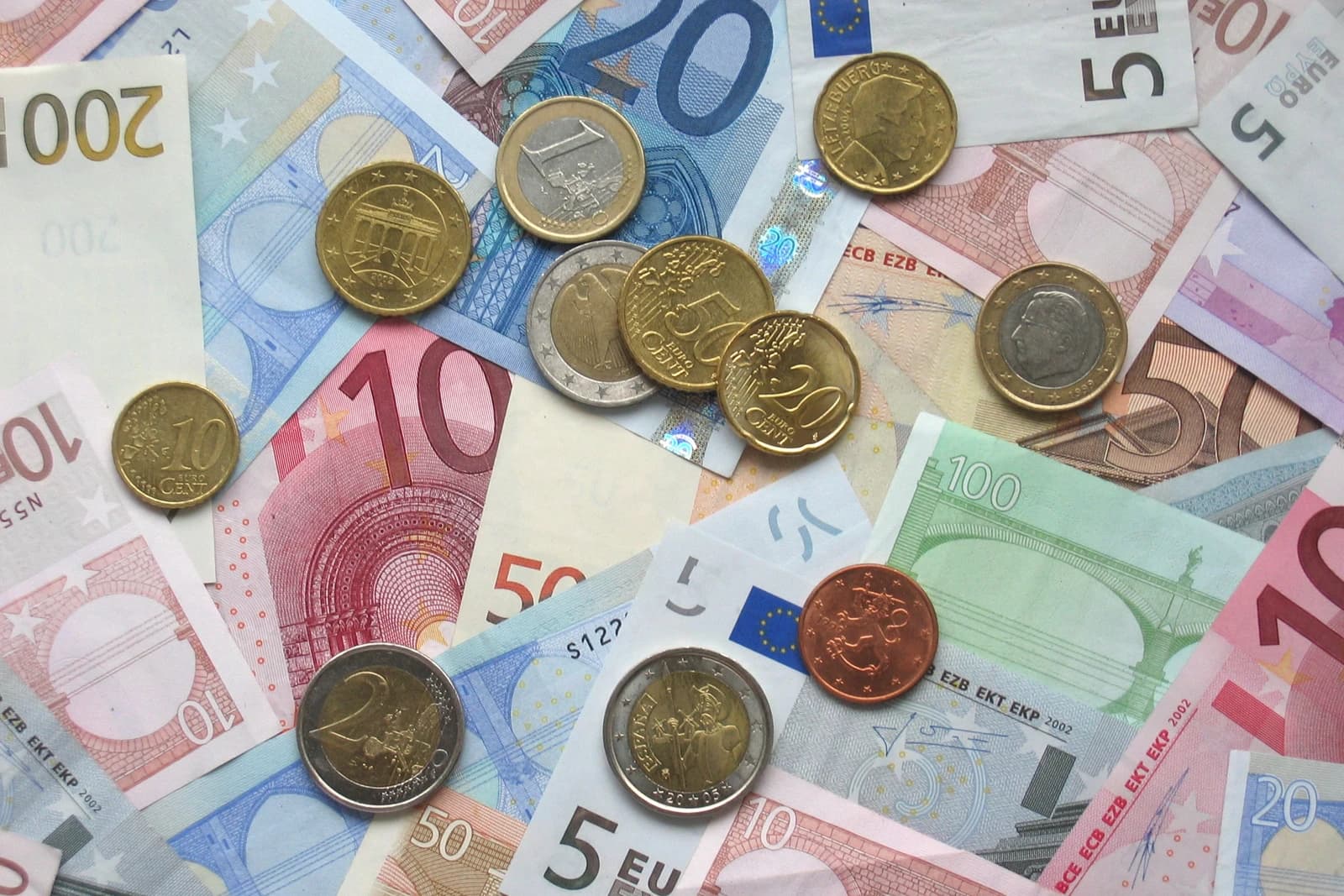
The euro strengthened against the dollar and other major currencies in early Frankfurt trade, extending a move that reflects a softer U.S. dollar and still-supportive expectations for the European Central Bank.
Euro Rises Against Dollar in Early Frankfurt Trade

The single currency rose 0.1% to $1.22 in morning interbank trading, according to German financial information websites, after the ECB set a reference rate of $1.1186 the previous afternoon. It also gained 0.7% versus the Swiss franc to 0.933 and 0.1% against the pound to 0.848.
Sentiment IndicatorsⓘProprietary · adalytica.com · October 10, 2026
This is a snapshot — live sentiment, awareness and momentum for 130+ markets update continuously in the dashboard.Open AlphaPulse

For markets, the significance is less about the modest size of the move than about the direction of travel. A firmer euro tightens financial conditions at the margin, improves the bloc’s import price outlook and can weigh on export competitiveness if sustained. At the same time, it can ease inflation pressure, giving policymakers more room to keep rates restrictive without risking a sharper imported-price shock.
The currency move also fits a broader pattern of renewed euro demand. Adalytica’s Euro Trade Signals showed awareness at 91, or “extreme greed,” even as sentiment remained deeply cautious at 7, indicating the rally is being watched closely but not yet broadly embraced. That combination often points to a market that is still positioned defensively even as spot prices grind higher.
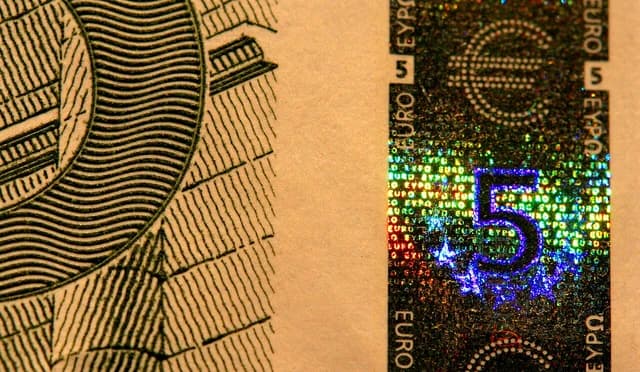
Against the dollar, the euro’s advance matters because the greenback remains the dominant force in global FX pricing. A weaker dollar typically lifts risk assets outside the U.S., supports commodity importers and can relieve pressure on emerging markets with dollar liabilities. For euro zone investors, a stronger common currency can also reshape earnings expectations for multinationals with heavy overseas revenue exposure, particularly exporters and luxury groups that translate foreign sales back into euros.
The technical backdrop in euro-related instruments has also improved after a volatile year. FXE, the euro-tracking fund, is trading above its 50-day moving average, although recent readings on momentum indicators suggest the advance has lost some force after a sharp late-January spike. That leaves the euro vulnerable to consolidation if U.S. rate expectations turn more hawkish or if European data disappoint.
Still, the broader narrative is clear: the euro is benefiting from a combination of dollar softness, policy credibility at the ECB and a market that is still inclined to buy dips in the common currency. The next test will be whether the move can broaden beyond a short-term FX adjustment into a more durable repricing of Europe’s rate and growth outlook.
| Entity | Gains | Losses |
|---|---|---|
| Eurozone importers | ▲Cheaper dollar-priced inputs | ▼Weaker pricing power abroad |
| Eurozone exporters | ▲— | ▼Less competitive foreign sales |
| ECB | ▲Easier inflation control | ▼Stronger euro can slow growth |
| U.S. dollar holders | ▲— | ▼FX translation losses |