The euro continued to weaken sharply on Thursday, with Vietnamese banks cutting their quoted exchange rates again as the single currency stayed under pressure against the dong and on global markets.
Euro weakens in Vietnam as EUR/USD falls

At Vietcombank, the euro fell 45 dong on the buy side and 47 dong on the sell side to 28,305 dong and 29,789 dong per euro, respectively. VietinBank and BIDV both lowered their euro quotes by about 64-66 dong, while Eximbank posted the lowest selling rate among banks surveyed at 29,681 dong. Sacombank, meanwhile, offered the highest buying rate at 28,512 dong, underscoring uneven pricing even as the broader direction remained lower.
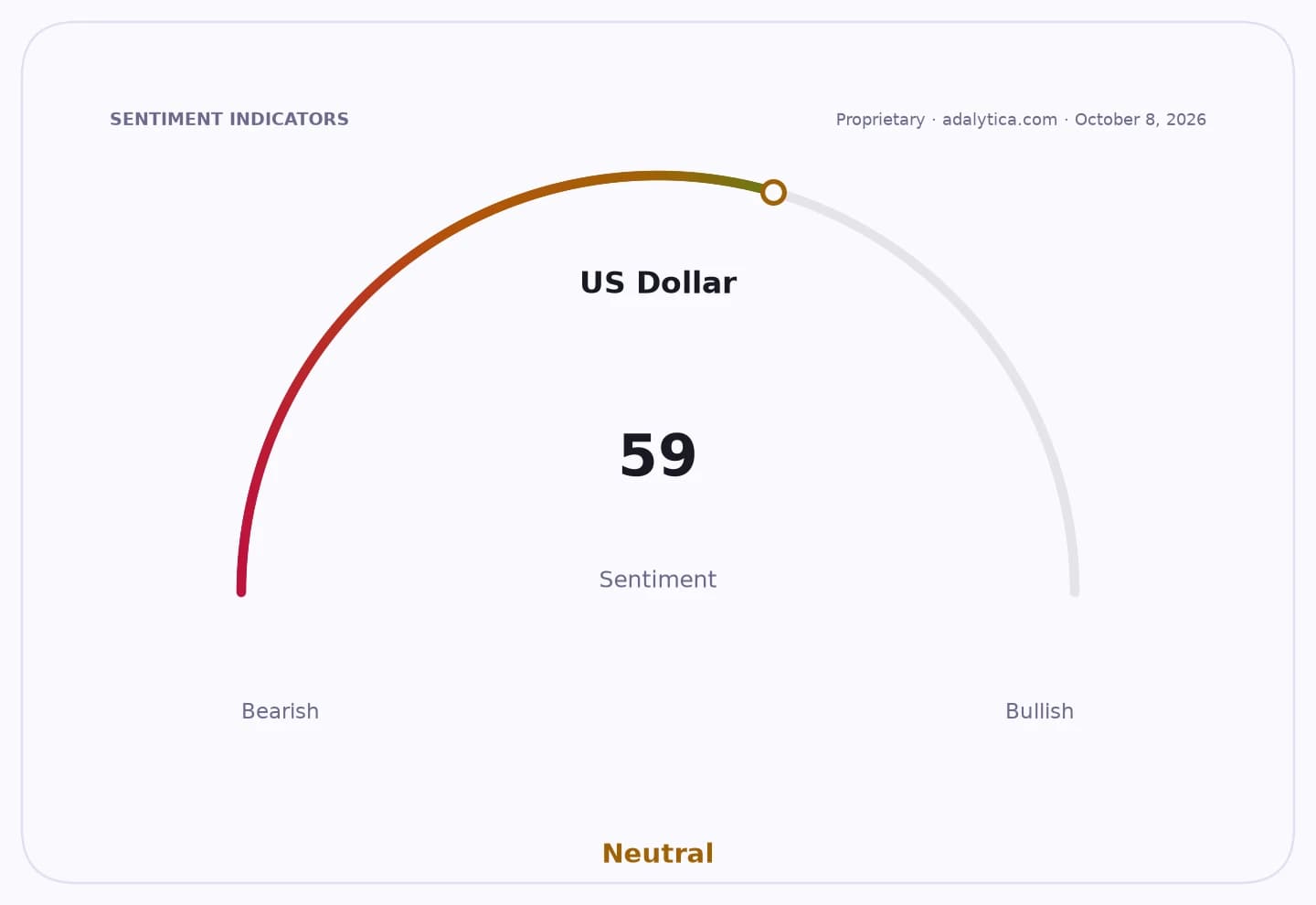
Sentiment IndicatorsⓘProprietary · adalytica.com · October 10, 2026
This is a snapshot — live sentiment, awareness and momentum for 130+ markets update continuously in the dashboard.Open AlphaPulse
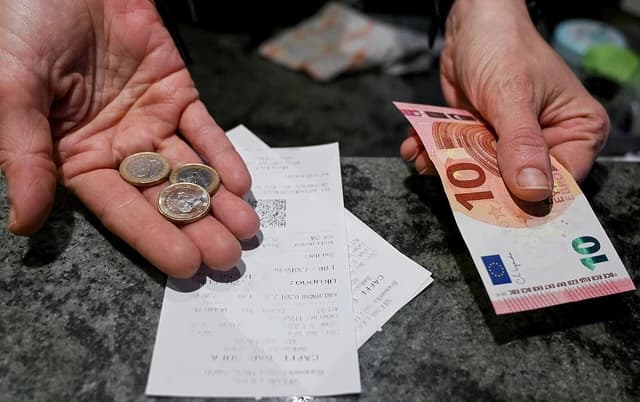
The move matters because a weaker euro changes import costs, remittance values and hedging needs for Vietnamese firms and households with exposure to Europe. For businesses paying suppliers in euros, the decline reduces near-term costs, but for Vietnamese savers and travelers holding euro assets or planning euro-denominated spending, it erodes local-currency value. In the offshore market, the euro also slipped further in the black market to 28,306 dong on the buy side and 29,799 dong on the sell side.
The latest drop is not just a retail pricing story. EUR/USD was holding around 1.12 on Friday, close to the lower end of its recent range, while the euro-focused FXE fund sat below both its 50-day and 200-day moving averages. Its relative strength index was near 13, a deeply oversold reading by conventional technical measures, and the MACD remained negative, suggesting momentum is still tilted against the currency.

That weakness is reinforced by dollar strength. Adalytica’s Euro Trade Signals snapshot showed euro sentiment at 10, labeled “Extreme Fear,” while awareness remained elevated at 91, a sign the currency is drawing attention even as conviction turns defensive. By contrast, the US dollar signal stayed neutral, with sentiment at 66 and awareness at 62, reflecting a stronger bid for the greenback rather than a crisis-driven move in the euro alone.
For investors, the key question is whether this is a tactical washout or the start of a more persistent repricing. A weaker euro can support European exporters by improving their price competitiveness abroad, but it also tends to pressure imported inflation and complicate the European Central Bank’s policy path if growth remains soft. If the dollar stays firm, international assets priced in euros may continue to look less attractive to foreign buyers, while currency hedges become more important for cross-border portfolios.
For now, the market message is straightforward: the euro is still on the defensive, and local bank quotes in Vietnam are adjusting quickly to that slide. Traders will be watching whether EUR/USD can stabilize above current levels or whether the currency’s latest break lower feeds into another round of rate cuts and broader FX repositioning.
| Entity | Gains | Losses |
|---|---|---|
| Vietnamese importers | ▲Lower euro costs | ▼None |
| Vietnamese euro holders | ▲None | ▼Local-currency value declines |
| European exporters | ▲Better price competitiveness | ▼Stronger hedging pressure |
| US dollar | ▲Relative demand support | ▼None |