Euro’s climb to a fresh all-time high against the leu is more than a currency milestone — it raises the cost of imports, threatens to keep inflation sticky and narrows the room for Romania’s policymakers to ease financial conditions.
Euro Hits Record High Against Romanian Leu
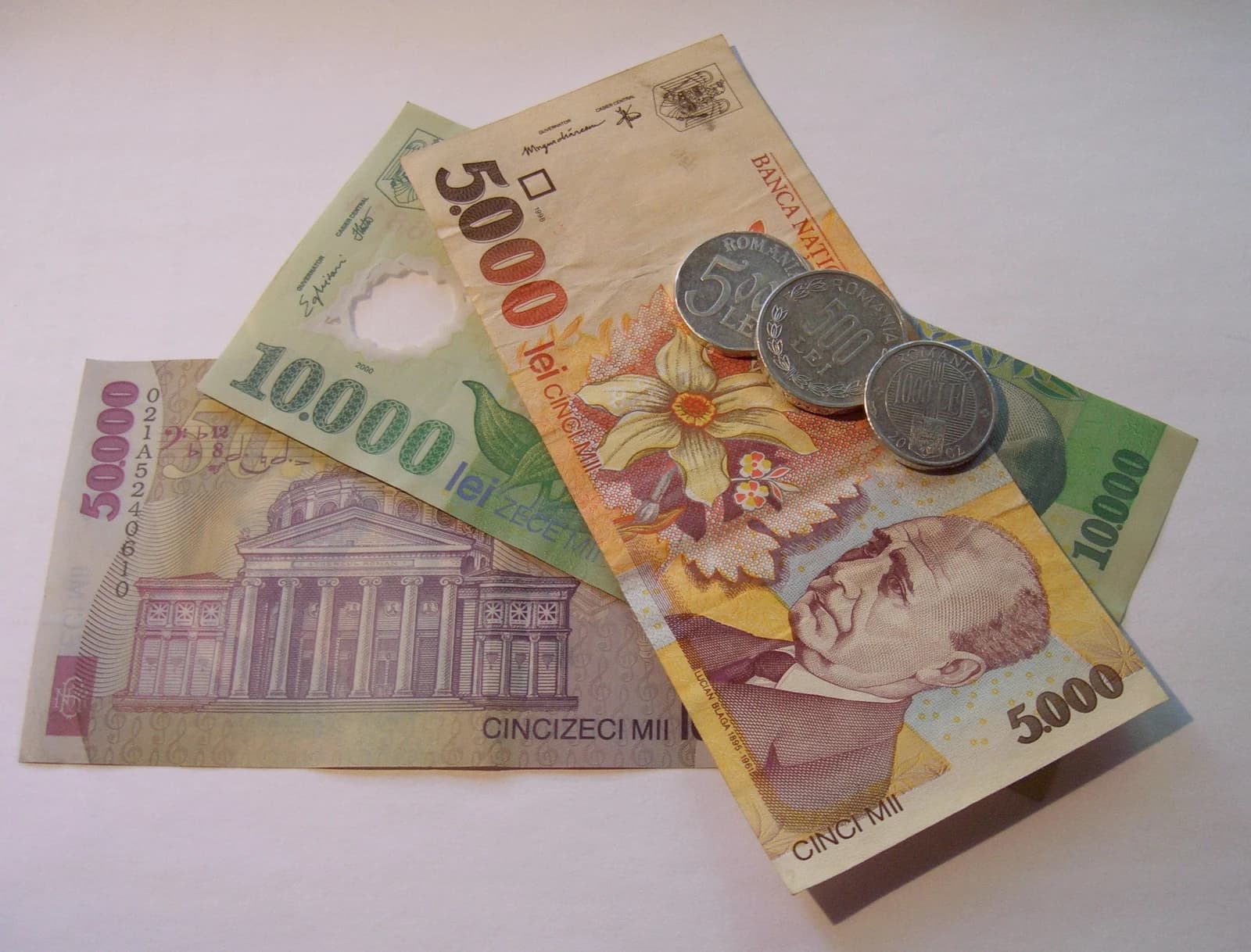
The National Bank of Romania set the euro at 5.3527 lei, its strongest official level yet, underscoring how persistent demand for foreign currency and broader weakness in the local unit are feeding through to the real economy. For households and businesses, that means pricier fuel, food, equipment and debt servicing on euro-denominated obligations. For the central bank, it makes the inflation fight harder at a time when price sensitivity remains high across the economy.
Sentiment IndicatorsⓘProprietary · adalytica.com · October 8, 2026
This is a snapshot — live sentiment, awareness and momentum for 130+ markets update continuously in the dashboard.Open AlphaPulse
The move also matters because currency weakness is rarely isolated. A record euro-leu rate tends to ripple through corporate margins, especially for importers, retailers and companies with hard-currency liabilities, while exporters may get a short-term boost to reported revenues. But the bigger macro effect is that a weaker leu can delay a meaningful decline in consumer prices, keeping rates higher for longer than borrowers would like.
Markets are likely to read the level as a warning that Romania’s policy backdrop remains fragile. Even if the official rate change looks small on any given day, setting a new record confirms the direction of travel. That is important for bond investors, local equity holders and anyone exposed to Romanian consumer spending, because currency pressure often becomes a valuation issue before it becomes a headline one.
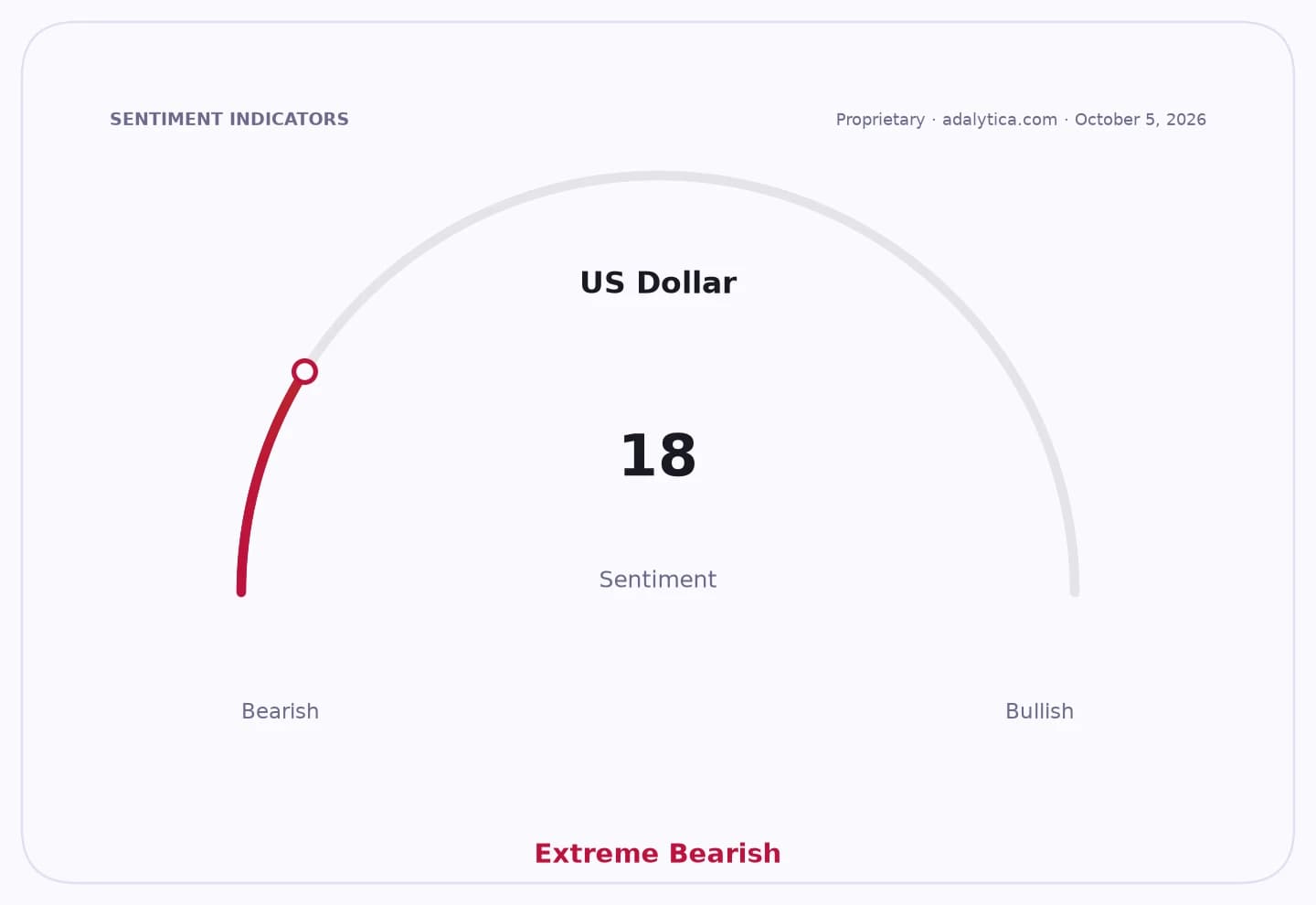
Adalytica’s trade signals also show euro sentiment at neutral while awareness sits at an extreme level, a sign the move is drawing unusually high attention even as conviction remains mixed. The FX volatility gauge shows extreme fear, suggesting investors are not positioning for calm. That combination leaves the leu vulnerable to further pressure if capital flows weaken or regional risk appetite sours.
The key question now is whether this is a one-off print or the start of a more durable adjustment. If the euro continues to push higher, Romania could face another round of imported inflation and tighter financial conditions, while consumers and leveraged companies absorb the impact first. For investors, the playbook is straightforward: favor exporters and companies with foreign-currency revenue, and stay cautious on domestic demand stories that depend on a stable leu.
| Entity | Gains | Losses |
|---|---|---|
| Romanian exporters | ▲Higher lei revenues | ▼Import-cost pressure |
| Importers/retailers | ▲— | ▼Margin squeeze |
| Consumers | ▲— | ▼Pricier goods and loans |
| BNR / policymakers | ▲FX buffer if stability returns | ▼Harder inflation fight |