Romania will hand a second round of one-off pension aid in December 2026 to about 2.9 million retirees with monthly incomes of up to 3,000 lei, a transfer that will put cash directly into households most exposed to inflation and weak purchasing power.
Romania pension aid to reach 2.9 million retirees
The payment matters because it is targeted at a large bloc of fixed-income consumers whose spending is highly sensitive to state support. The aid, set out in Emergency Ordinance No. 23/2026, is split into two instalments in May and December and will be paid automatically through the pension houses, without applications. That lowers administrative friction and raises the likelihood that the money lands where policymakers intend: in day-to-day consumption rather than in delayed claims or leakage.
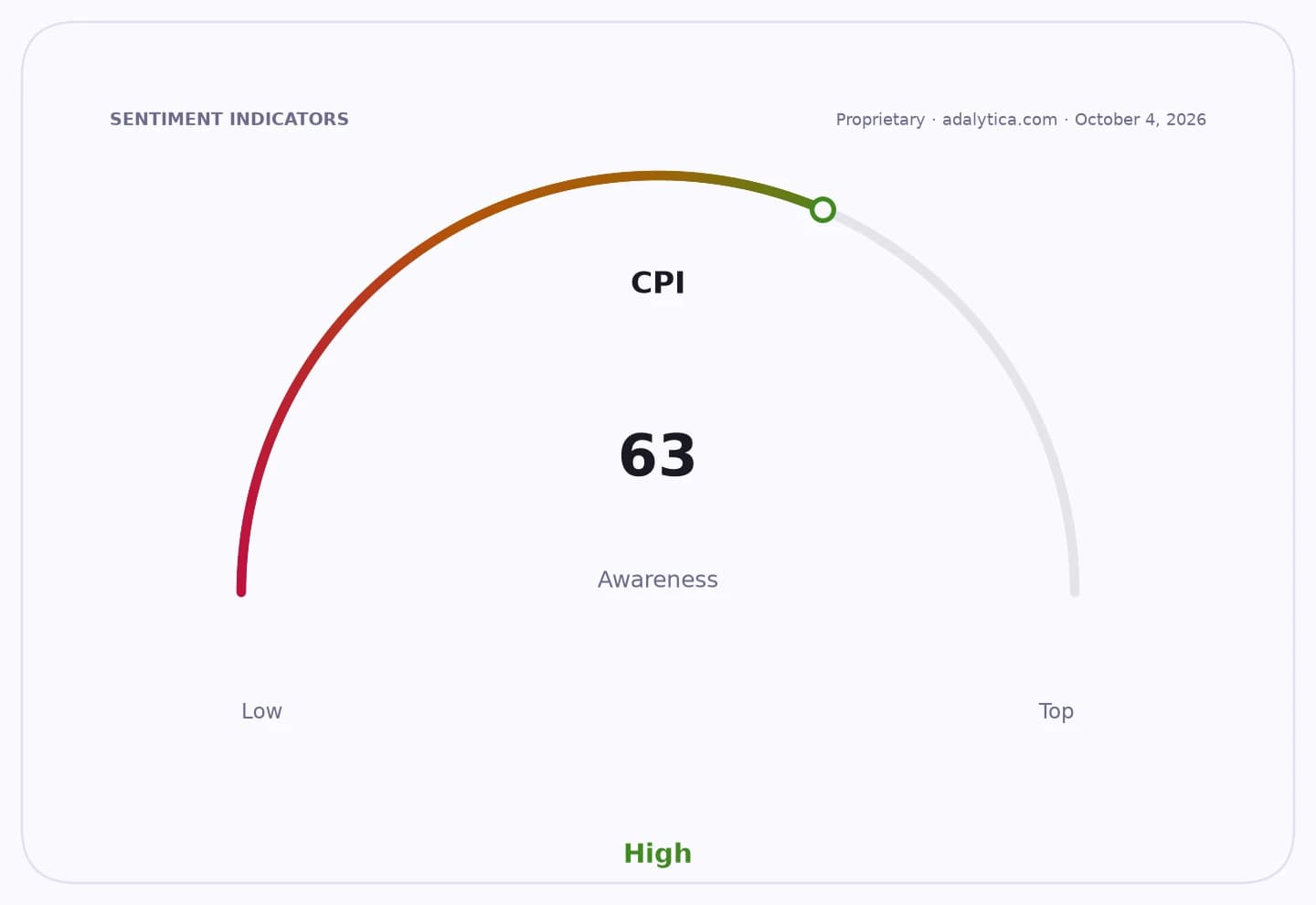
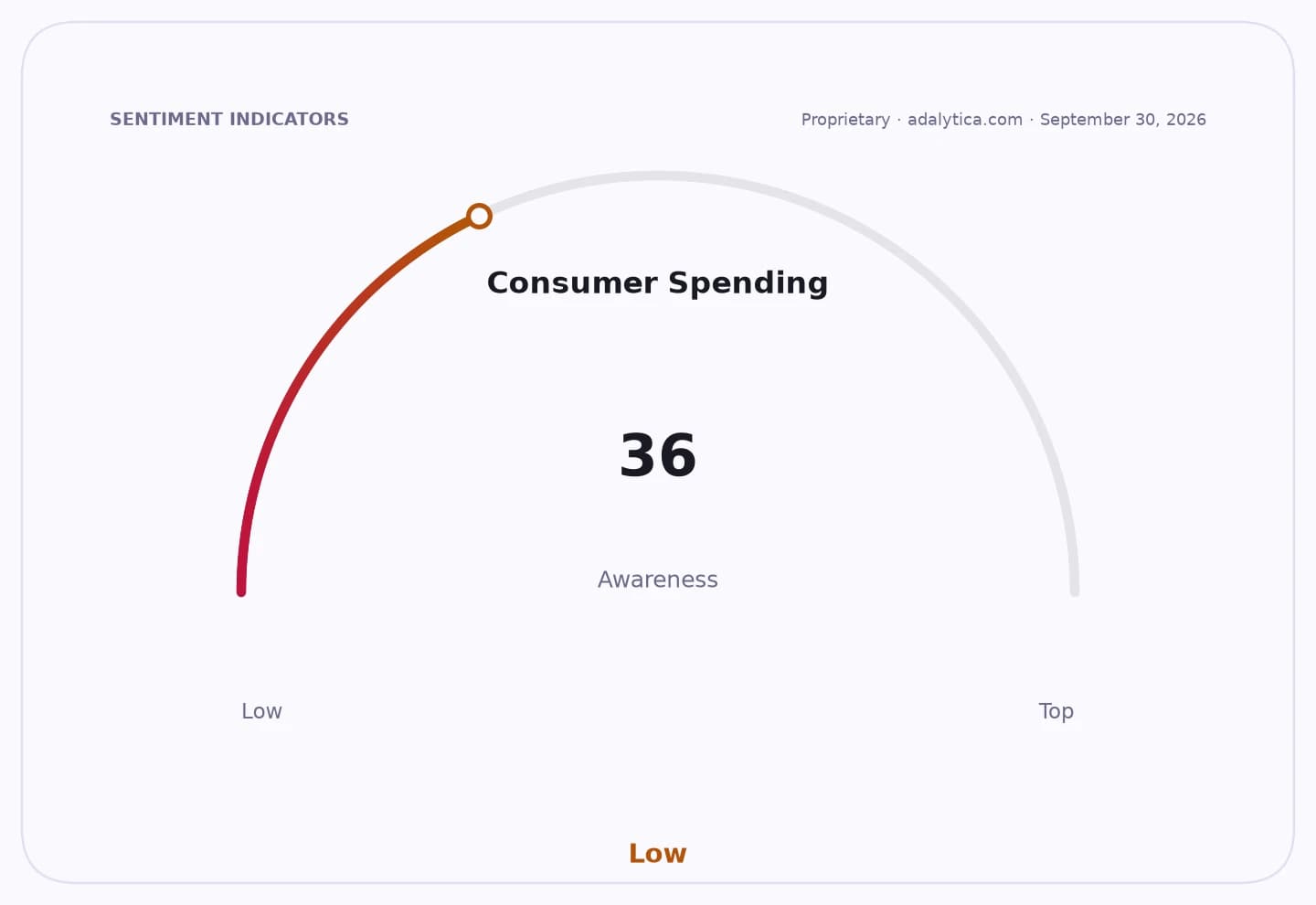
Sentiment IndicatorsⓘProprietary · adalytica.com · October 6, 2026
This is a snapshot — live sentiment, awareness and momentum for 130+ markets update continuously in the dashboard.Open AlphaPulse
For the state, the measure is also a fiscal choice. By funding the payments from the central budget, Bucharest is effectively using a direct transfer to cushion living costs for lower-income pensioners instead of relying on broader indexation or tax relief. In a household economy still shaped by elevated prices, even a relatively modest payment can have an outsized effect on utility bills, food spending and local retail turnover.
The size of the transfer varies by income band, with beneficiaries to receive 300 lei, 400 lei or 500 lei. The ordinance counts public-system pensions, military state pensions and the social allowance for retirees, and where a person receives more than one eligible income stream those amounts are aggregated to determine eligibility. That structure broadens the policy’s reach while also limiting it to the lower end of the pension spectrum.
Investors should read the measure as a signal of continued pressure on Romanian consumer demand and on the political imperative to protect pension income. For domestic retailers, utilities and consumer lenders, the aid may provide a small but timely lift to spending in December. For the government, the risk is that repeated ad hoc support becomes embedded in the budget at a time when any extra social spending must be balanced against borrowing costs and fiscal discipline.
The backdrop is an economy in which inflation remains above the kind of levels that would restore purchasing power quickly, even as labour-market conditions are comparatively stable. A weaker or more volatile leu would further erode the real value of pensions and heighten the case for compensation measures. That helps explain why policymakers are choosing cash support over waiting for market forces to do the work.
For investors, the key question is whether this remains a one-off social cushion or becomes part of a broader pattern of transfer spending. If the latter, the implications extend beyond retirees: more budget support could help consumption in the short term, but it would also tighten scrutiny on Romania’s fiscal path and the sustainability of future social promises.
| Entity | Gains | Losses |
|---|---|---|
| Low-income pensioners | ▲Direct cash support | ▼Inflation erosion if aid is insufficient |
| Retailers and utilities | ▲Higher December spending | ▼Limited if transfers are saved |
| Romanian government | ▲Political goodwill | ▼Budget pressure |
| Fiscal hawks and bondholders | ▲— | ▼Higher spending demands |