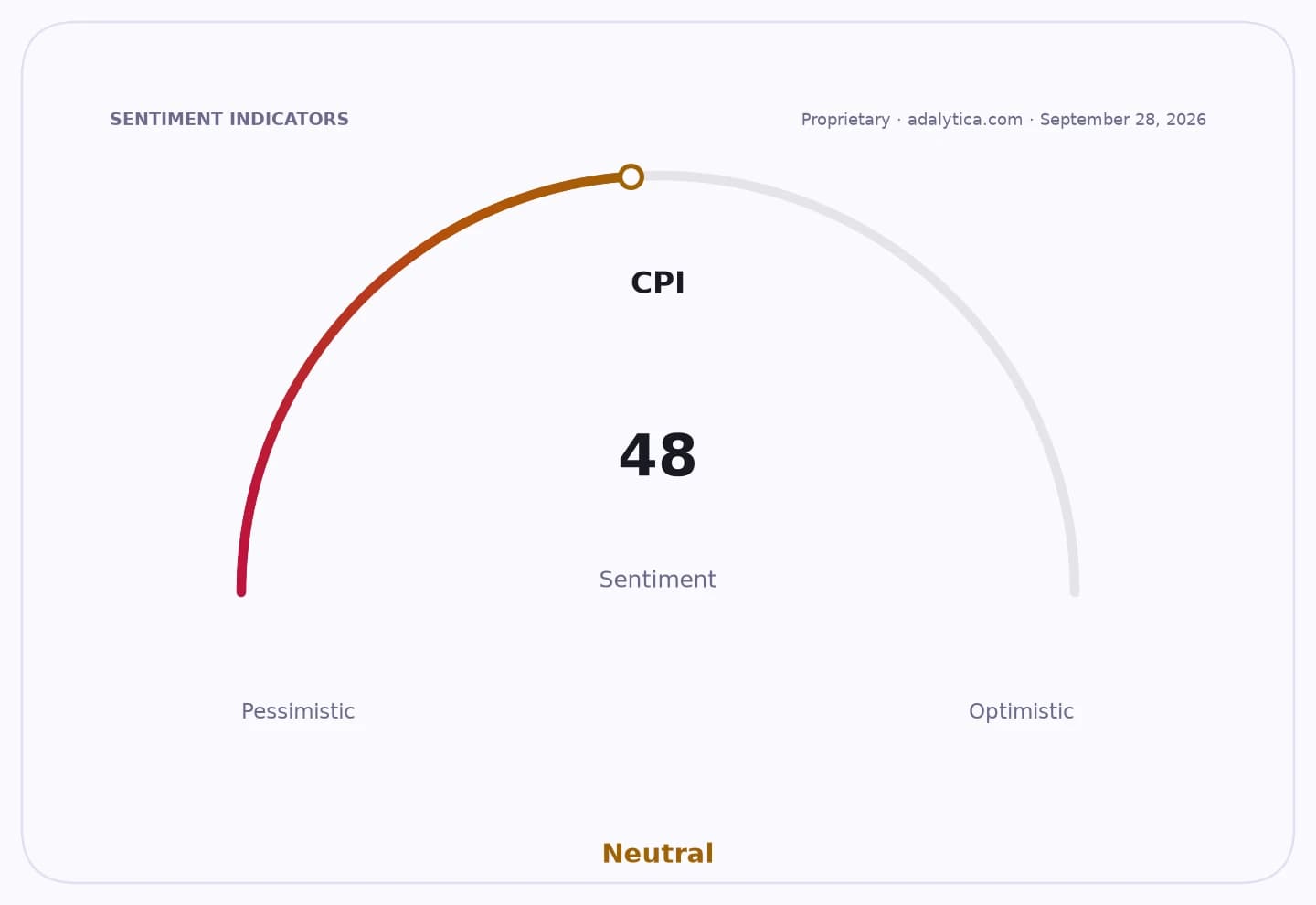
Spanish pensions are likely to increase by about 3.5% in January 2027 after inflation jumped to 4.9% in September, reinforcing how sticky price pressures are feeding directly into government spending and retiree incomes.
Spain Pensions Seen Rising 3.5% in January 2027
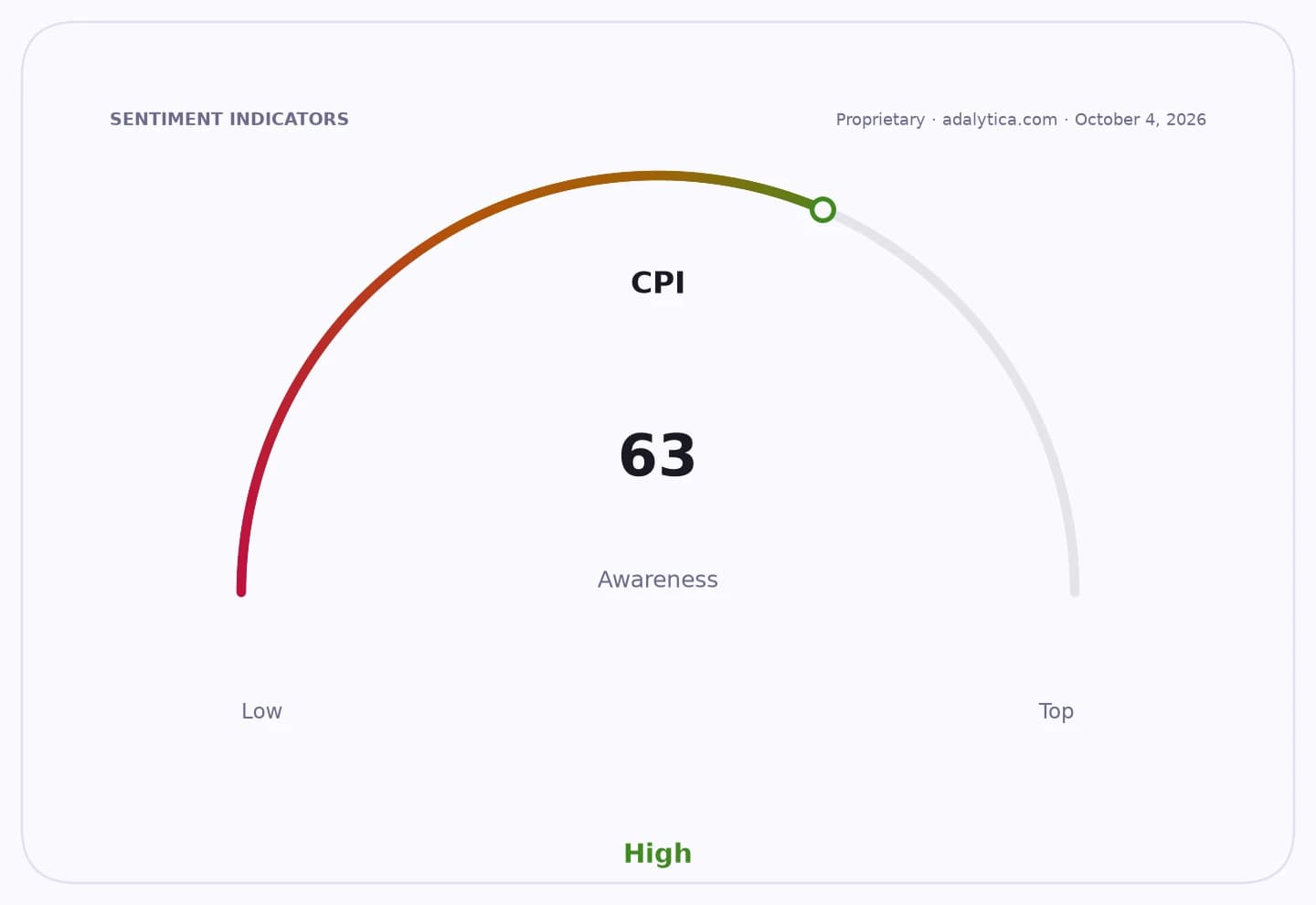
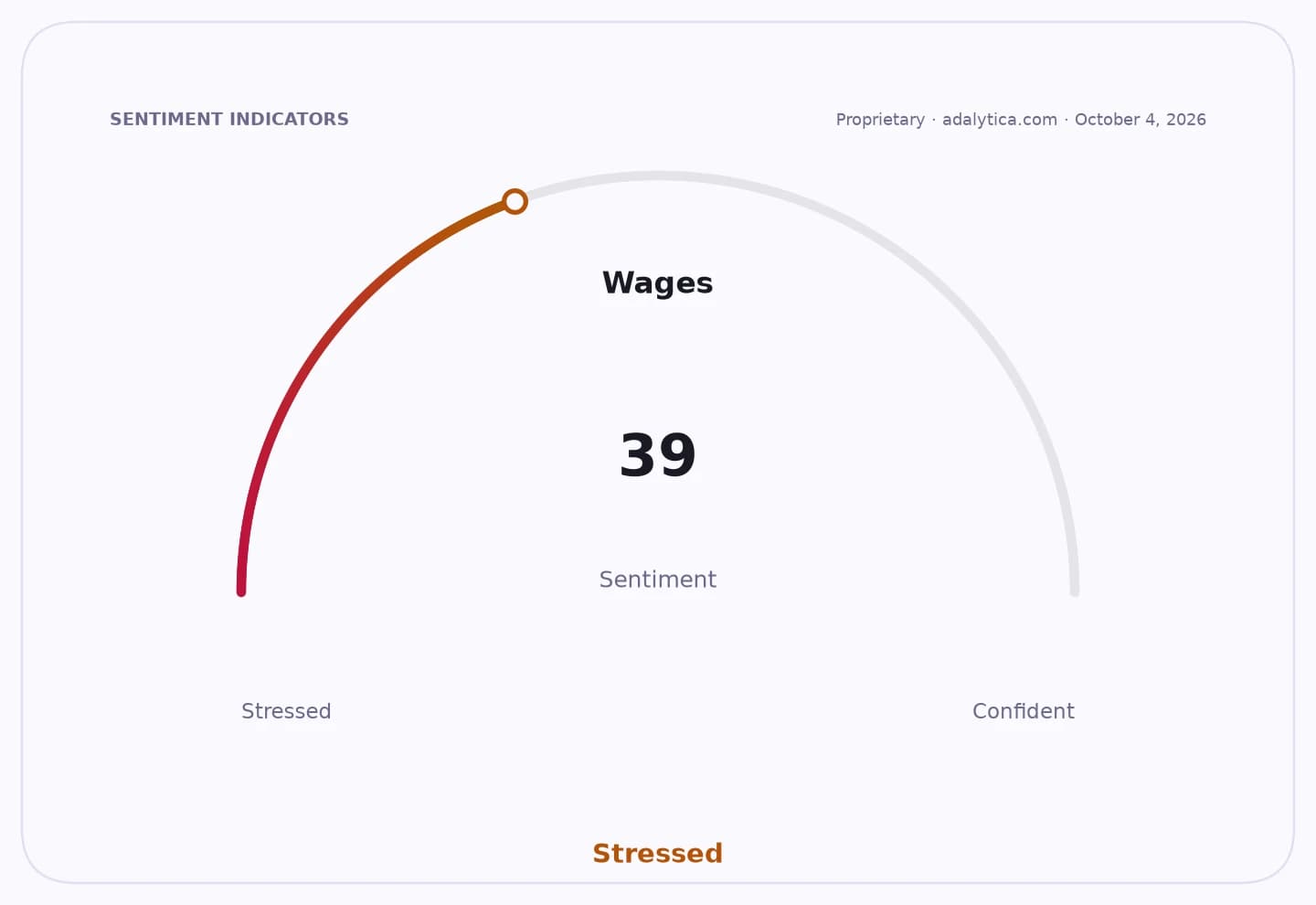
The increase matters because Spain automatically revalues pensions to match the average inflation rate, turning a higher cost of living into a larger fiscal bill for the state. For more than 9.5 million pension recipients, it also means a real boost in nominal income just as household budgets are being squeezed by dearer fuel, energy and food.
Sentiment IndicatorsⓘProprietary · adalytica.com · October 4, 2026
This is a snapshot — live sentiment, awareness and momentum for 130+ markets update continuously in the dashboard.Open AlphaPulse
The latest inflation reading from Spain’s INE was the highest since February 2023, up from 4.3% in August. Energy prices rose more than 21% from a year earlier, while fresh food and fuel also pushed the index higher; underlying inflation, which strips out energy and unprocessed food, climbed to 3.1%.
Based on the average inflation rate for the months already published, the pension increase is now tracking around 3.5%, according to calculations cited by local media and BBVA’s pension institute. The final figure will not be locked in until December, after October and November data are added to the formula.
If the estimate holds, it would be the biggest pension increase since 2024, when benefits rose 3.8%. It would also follow increases of 2.8% in 2025 and 2.7% in 2026, after the 8.5% jump in 2023 that reflected a much sharper inflation shock.
For investors, the story is less about the pension check itself than about what it says on fiscal pressure and inflation persistence in Spain. A 3.5% uplift across the retirement system increases public outlays, while persistent price growth can keep pressure on consumer spending, bond yields and expectations for broader euro zone inflation dynamics.
On an average old-age pension of about 1,573 euros a month, the increase would translate into roughly 55 euros more before tax each month. The impact will vary because minimum and non-contributory pensions get additional adjustments.
The final pension revaluation rate will be confirmed in December, after October and November inflation data are published, leaving room for only a modest shift unless price pressures ease sharply.
| Entity | Gains | Losses |
|---|---|---|
| Spanish retirees | ▲Higher monthly income | ▼Delayed relief from inflation |
| Spanish government | ▲Political goodwill with pensioners | ▼Higher pension spending |
| Consumers | ▲Some income support | ▼Squeezed by higher prices |
| Bond investors | ▲Clearer fiscal path once finalized | ▼More pressure from inflation-linked spending |