Romania’s five-month political stalemate is moving from a domestic power struggle into an investable macro risk, with the far right pressing President Nicusor Dan to call early elections as the leu weakens and investment decisions stall.
Romania political deadlock pressures leu and assets

That is what matters now: not the theatre in Bucharest, but the market price of paralysis. Romania, a key EU and NATO state on the alliance’s eastern flank, has lacked a fully functioning government since May, and the longer that vacuum lasts, the more it threatens fiscal credibility, capital spending and the country’s ability to keep investor confidence intact.
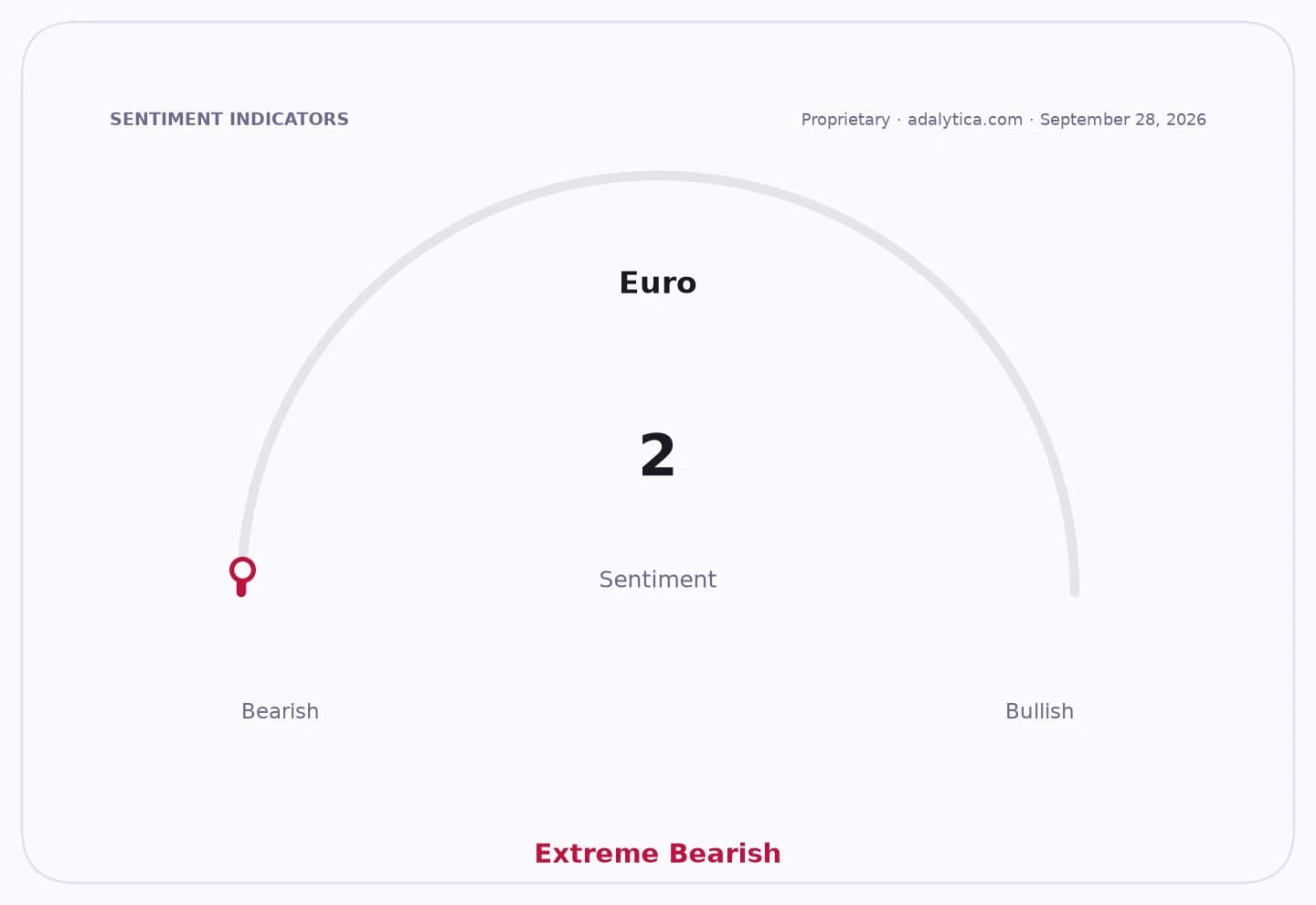
Sentiment IndicatorsⓘProprietary · adalytica.com · October 8, 2026
This is a snapshot — live sentiment, awareness and momentum for 130+ markets update continuously in the dashboard.Open AlphaPulse

Dan’s latest attempt to break the deadlock hinges on diplomat Luca Niculescu, who needs parliamentary approval within nine days. If that fails, pressure for fresh elections will intensify sharply. George Simion, leader of the far-right AUR party, said Dan could face a campaign for his removal if he continues to reject a vote, and the AUR has led opinion polls for nearly two years. That makes the political risk not just persistent, but potentially self-reinforcing.
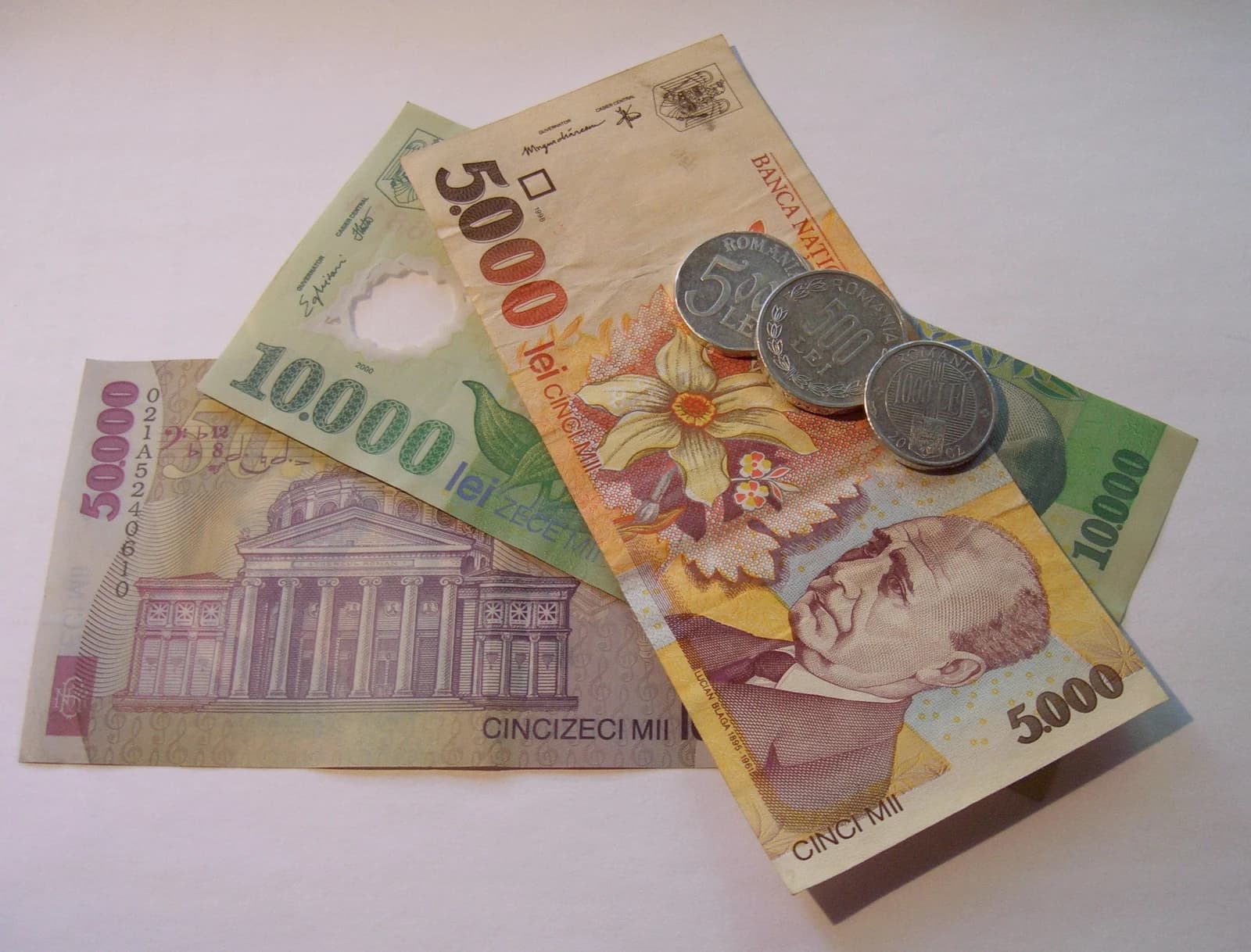
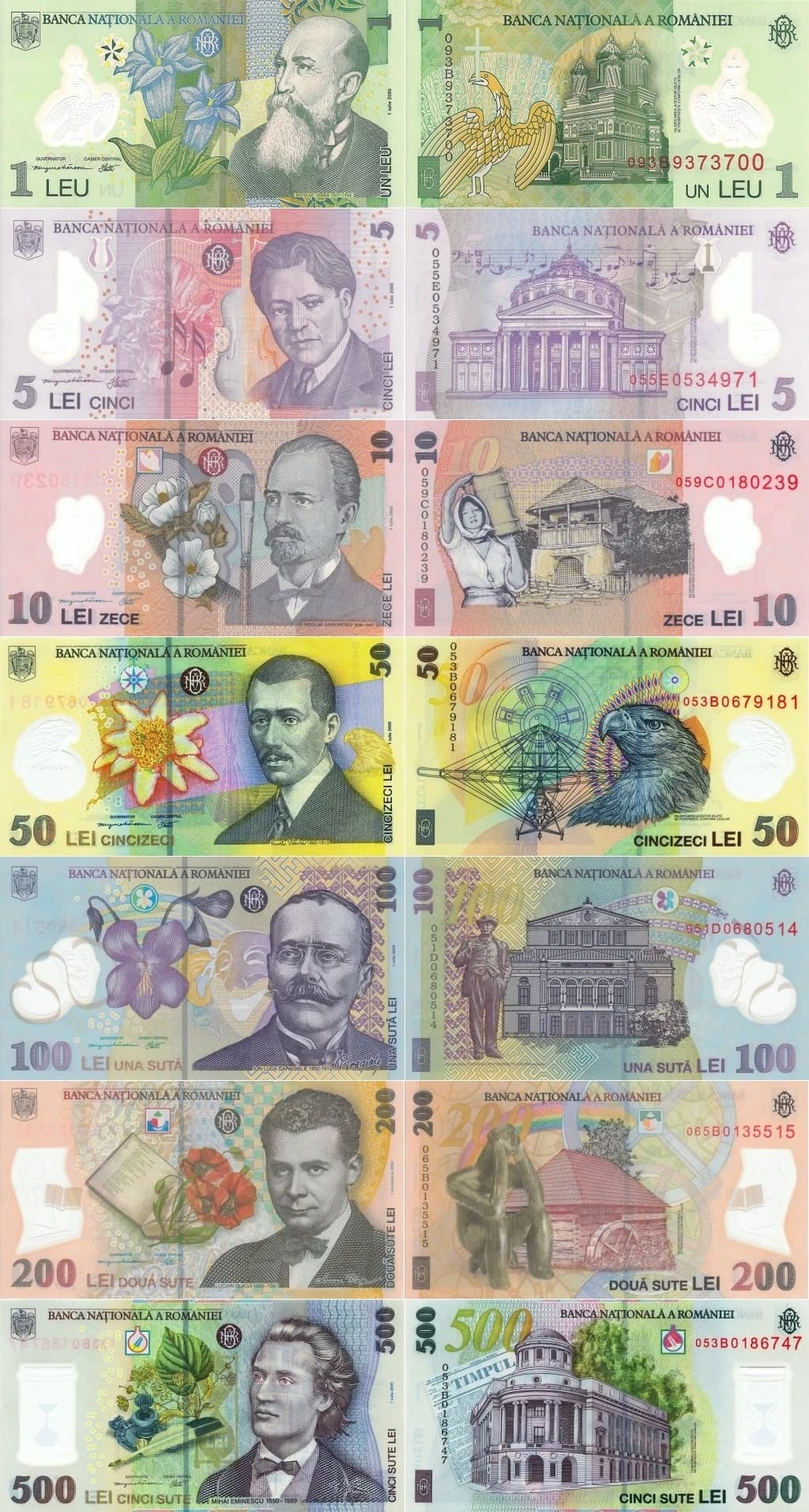
For markets, the warning signs are already visible. The leu has fallen against the euro in recent months since the crisis began, a classic signal that investors are demanding a bigger risk premium for institutional uncertainty. Siegfried Muresan, the last nominee to fail in parliament, said Romania is already paying an economic price because investment decisions are being held up. That matters because delayed cabinet formation means delayed budgets, delayed reforms and a weaker policy anchor at a time when Romania can least afford it.
Geopolitical Risk — 30-day sentimentadalytica.com
Explore this data interactively — full history, time series and cross-market comparisons.Open AlphaPulse

Simion tried to reassure investors that AUR would govern responsibly and keep debt commitments intact, even invoking a warning that “no one wants a new Greece.” That line captures the market’s central fear: not an immediate sovereign crisis, but a drift toward higher borrowing costs, currency pressure and slower growth if political dysfunction becomes normalised. The comparison is not perfect, but the lesson is clear — once investors start pricing governance risk into a country at the edge of Europe, the financing burden rises quickly.
Our thesis is that Romania’s political crunch is becoming a second-order macro story with first-order market consequences. A stable cabinet would reduce currency pressure and unlock spending decisions. Another failed attempt, followed by a fight over early elections, would do the opposite and likely push local assets to discount a longer period of policy drift.
The opportunity is not in chasing headlines about who wins the next vote. It is in recognising that prolonged deadlock raises the value of anything tied to external financing, fiscal discipline and regional stability — while punishing domestic exposure to Romania’s policy reset. Investors should treat this as an emerging risk premium story, with the leu, Romanian sovereign funding and exposed local equities likely to move first if the political freeze deepens.
| Entity | Gains | Losses |
|---|---|---|
| AUR | ▲Polling momentum | ▼Governing credibility |
| Nicusor Dan | ▲Avoids immediate snap vote | ▼Political capital |
| Romanian exporters | ▲Weaker leu support | ▼Policy uncertainty |
| Domestic banks and bonds | ▲Potential higher yields | ▼Rising risk premium |