Indonesia’s labor unions are pushing for a 2027 minimum wage increase of 7.5% to 9.5%, a proposal that could lift pay floors well above employer offers and force policymakers to weigh household income support against business costs and job risks.
Indonesia unions seek 2027 minimum wage rise
The proposal from the Confederation of Indonesian Trade Unions, or KSPI, and the Labor Party is anchored in a formula that combines inflation, economic growth and a regional adjustment factor. KSPI president Said Iqbal said the group’s simulation points to a wage increase of about 7.8%, based on assumed inflation of 3.20% and economic growth of 5.43% over the October 2025 to August 2026 period, multiplied by an index of 0.9.
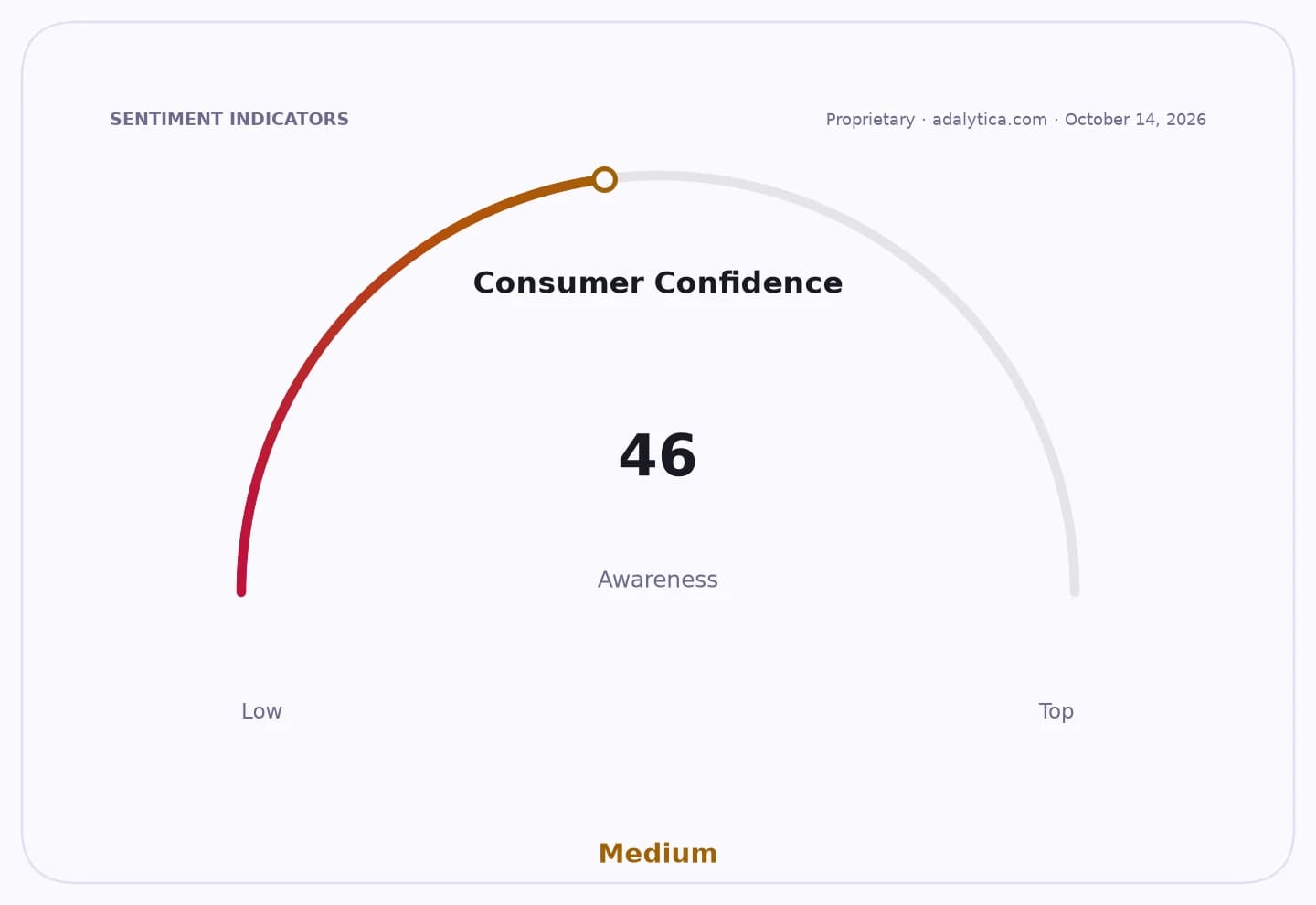
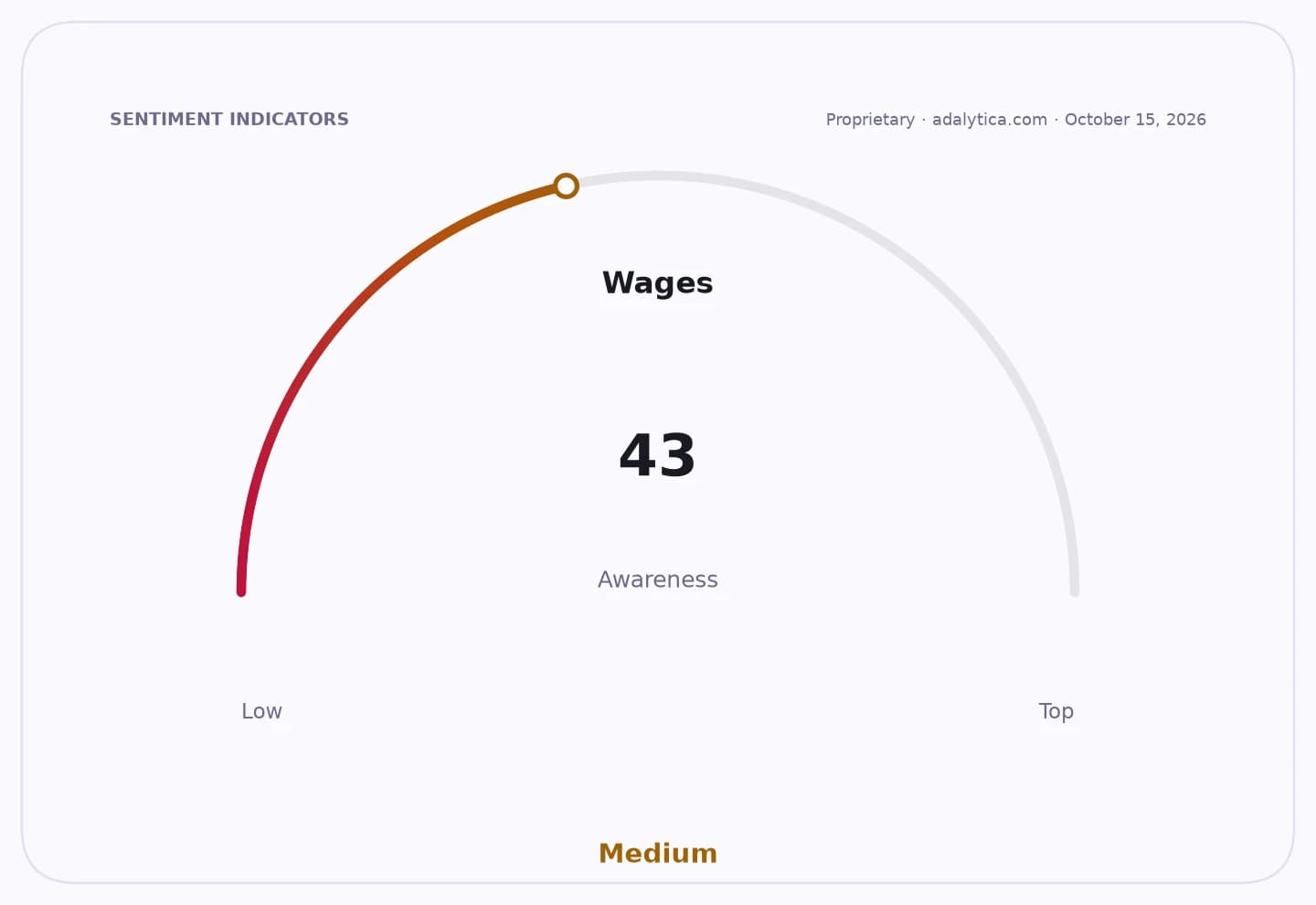
Sentiment IndicatorsⓘProprietary · adalytica.com · October 14, 2026
This is a snapshot — live sentiment, awareness and momentum for 130+ markets update continuously in the dashboard.Open AlphaPulse
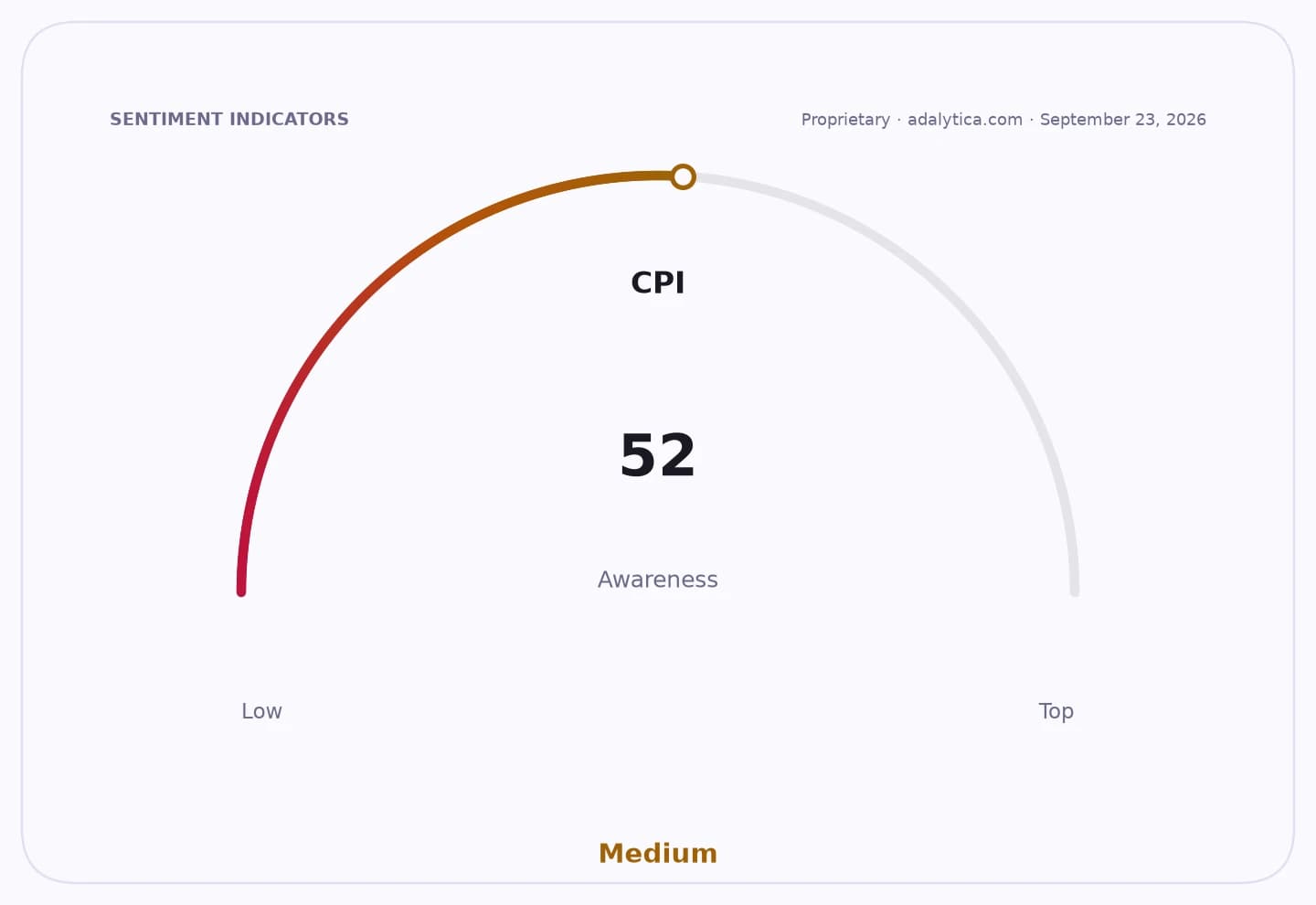
That formula matters because it frames the wage fight as more than a political demand. A minimum wage closer to 8% would exceed what many employers are likely to tolerate and could feed into broader labor-cost inflation, especially in low-margin sectors such as retail, food services and light manufacturing. It also comes as consumer-price expectations remain sensitive, with Adalytica’s CPI sentiment reading at 88, or “Extreme Greed,” suggesting inflation is still a live issue in market positioning even if broader consumer spending sentiment is only neutral.
KSPI is also arguing against a one-size-fits-all approach. Said said the national floor should rise 7.5% because inflation and growth vary by province and district, while some regions could see much larger increases. He cited North Maluku, where economic growth was put at about 20.5% and inflation at 5.05%, implying a potential minimum wage increase of around 14% under the same formula.
That regional spread goes to the heart of the economic trade-off. Faster-growing provinces can absorb steeper wage gains, but slower areas and smaller firms may struggle to pass on higher payroll costs. Employers have already been pressing for a far smaller increase, and government insiders have indicated the final adjustment should not exceed 10%, underscoring that the cabinet will likely try to steer between labor demands and concerns over employment.
For investors, the stakes extend beyond headline labor costs. A larger-than-expected minimum wage increase would be negative for labor-intensive listed companies, particularly in consumer goods, logistics, retail and discretionary services, while benefiting workers’ purchasing power if it is absorbed without a sharp employment hit. It could also shape the outlook for consumer demand: higher wages would support spending, but only if they do not trigger retrenchments or margin compression that offsets the income boost.
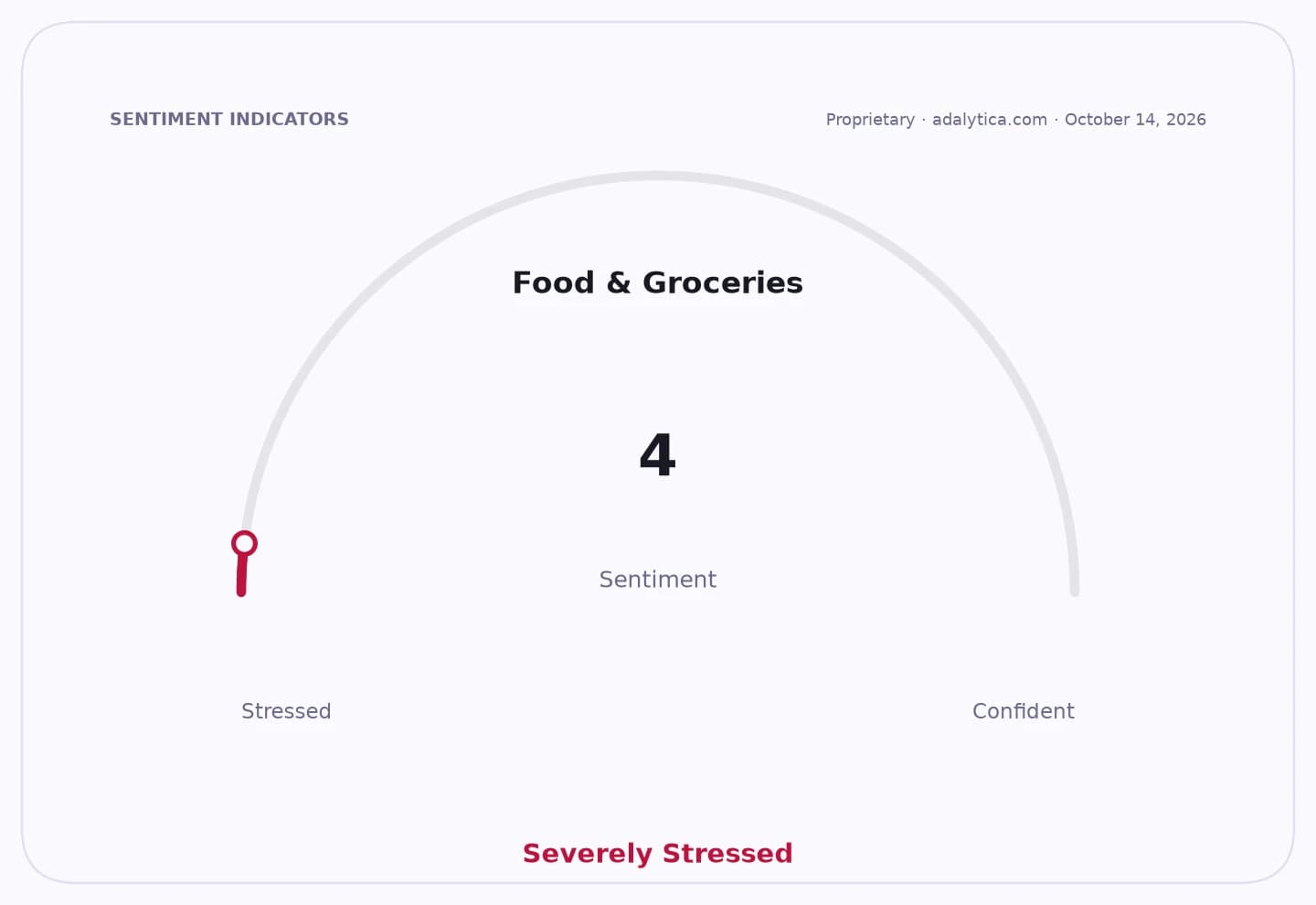
The market read-through is uneven. Adalytica’s food and grocery spending sentiment has fallen to 4, or “Extreme Fear,” suggesting households remain cautious even before any new wage decision. That leaves the policy outcome important for near-term consumption trends: a moderate rise could support spending without destabilizing labor markets, while an aggressive settlement could squeeze employers and widen the gap between large firms and MSMEs.
Negotiations now look set to revolve around the same familiar fault line: how to raise living standards without undermining competitiveness. The eventual number will matter not only for workers’ take-home pay, but for inflation dynamics, corporate margins and the pace of hiring heading into 2027.
| Entity | Gains | Losses |
|---|---|---|
| Workers/unions | ▲Higher take-home pay | ▼Lower hike disappoints |
| Labor-intensive firms | ▲Predictable wage setting | ▼Margin pressure |
| Consumers | ▲Stronger purchasing power | ▼Job losses if costs rise |
| Government/policymakers | ▲Social stability if balanced | ▼Political heat if seen as biased |