Kazakhstan’s government is signaling that the country’s minimum wage could rise next year, a politically sensitive move that would lift household incomes but also raise labor costs for employers and pressure the budget.
Kazakhstan minimum wage could rise in 2027
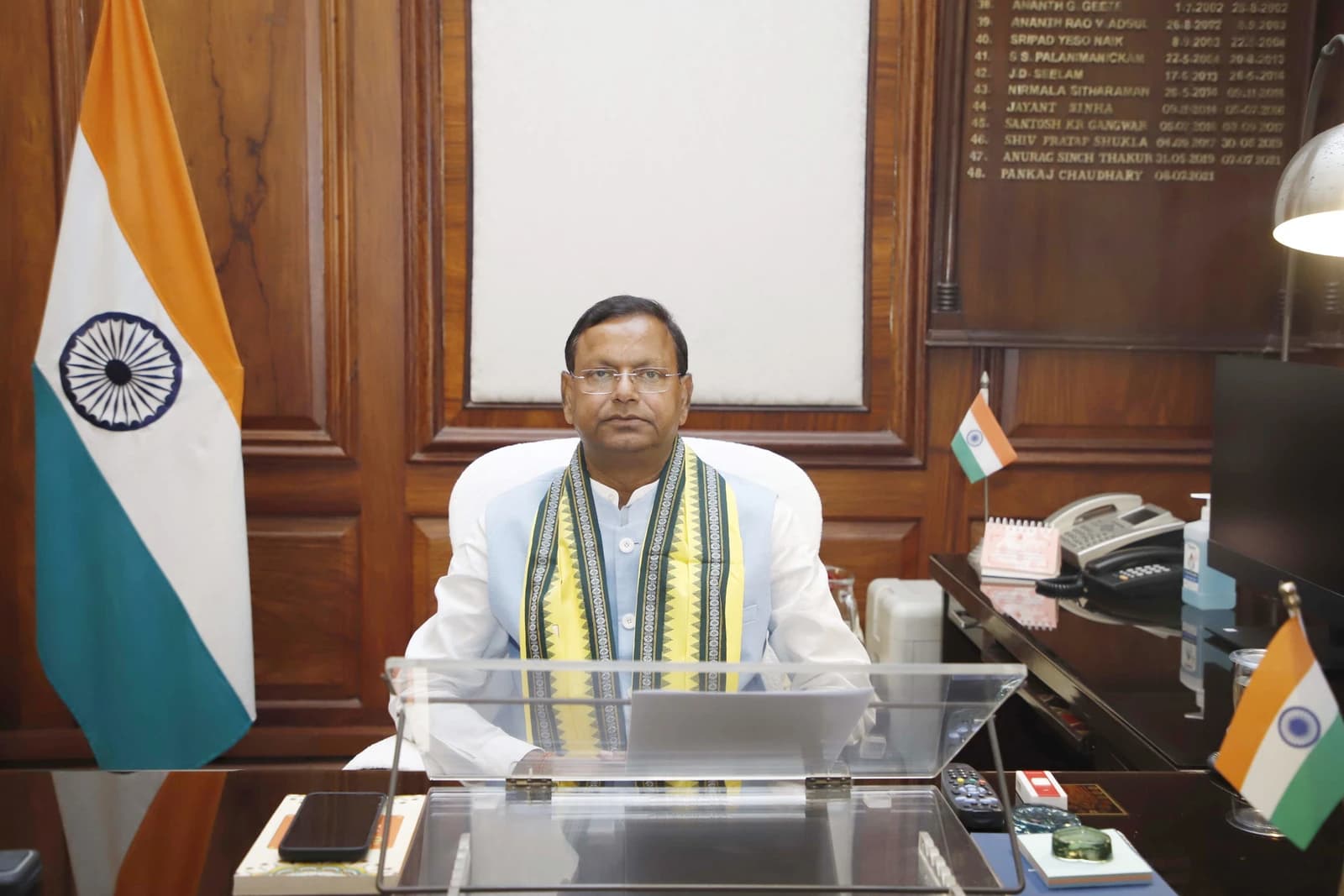
Deputy Prime Minister and national economy minister Serik Zhumangarin said the issue is being discussed at the government and presidential administration level, while the 2027 budget draft still assumes the minimum monthly wage will stay at 85,000 tenge. He said alternative options have been reviewed, but none have yet been built into the budget.
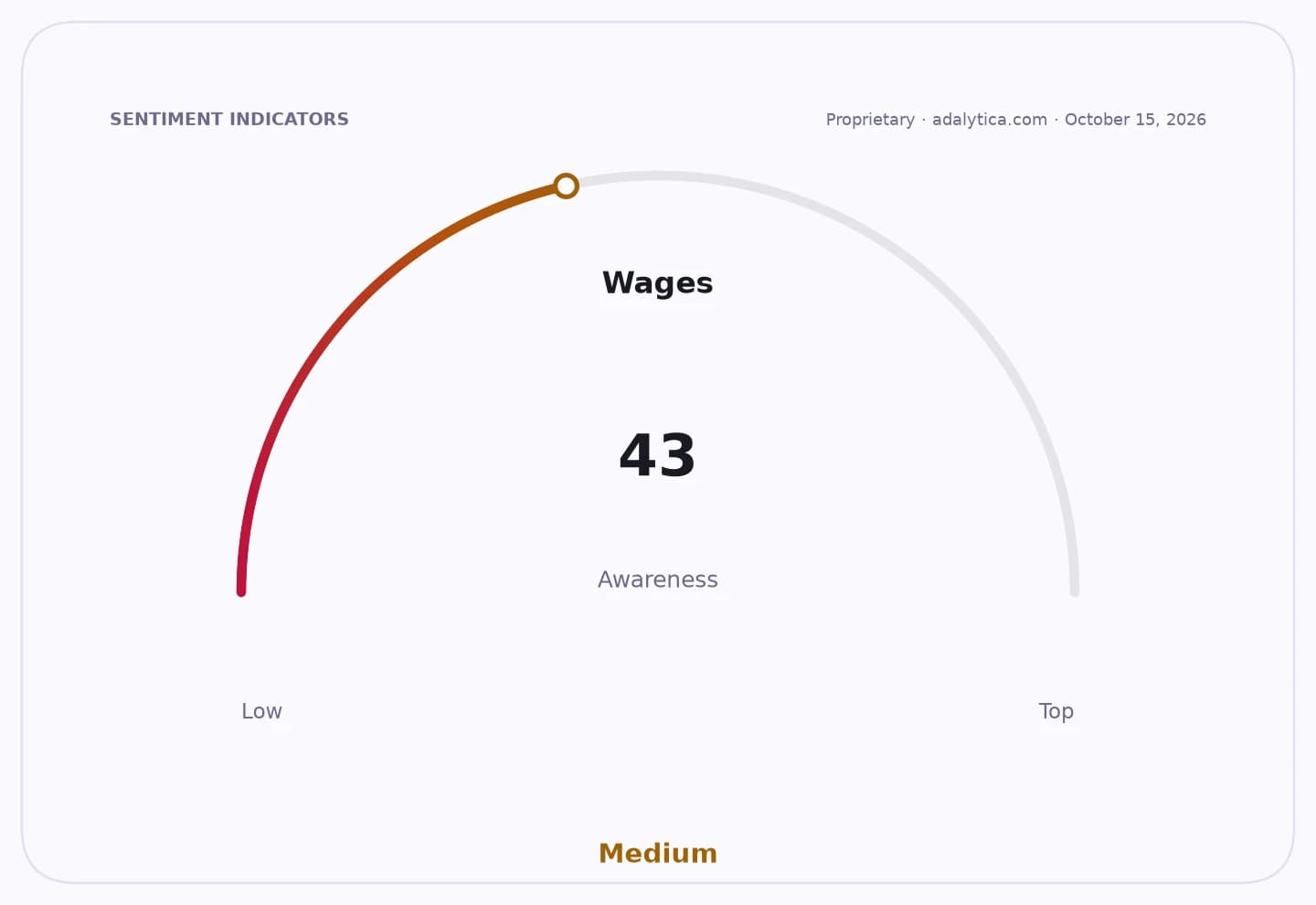
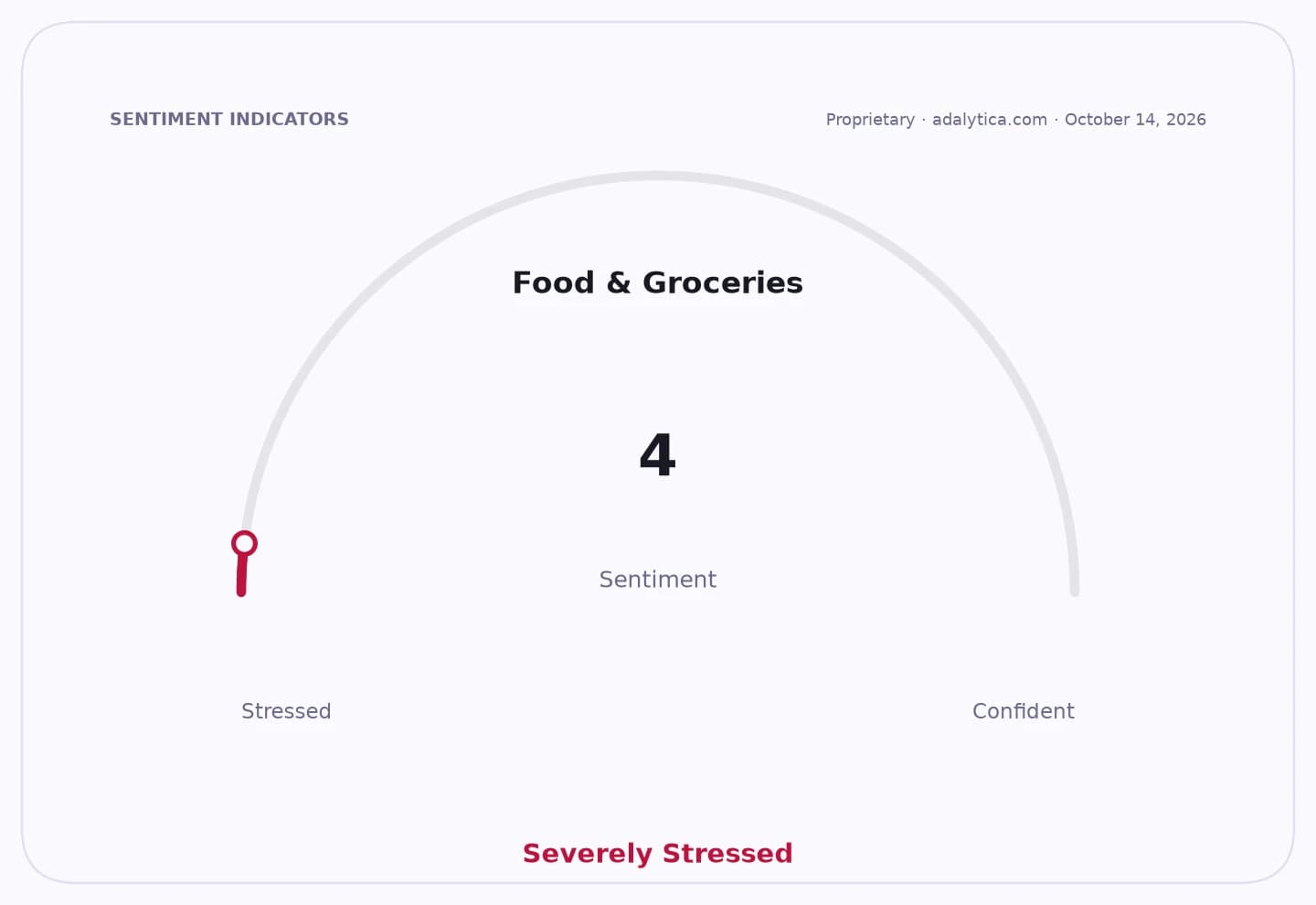
Sentiment IndicatorsⓘProprietary · adalytica.com · October 15, 2026
This is a snapshot — live sentiment, awareness and momentum for 130+ markets update continuously in the dashboard.Open AlphaPulse
That matters because the minimum wage is a blunt but important lever in an economy where wage policy is increasingly linked to social stability, consumer spending and inflation management. A higher floor would support lower-income households and could help sustain retail demand, but it would also feed through to public-sector pay bills, employer payrolls and, potentially, prices if companies pass on higher labor costs.
Zhumangarin’s comments suggest the government is keeping the option open for a change that would take effect in 2027, even as the current budget framework remains unchanged. Kazakhstan lifted the minimum wage to 85,000 tenge from 70,000 tenge in 2024. Since then, lawmakers have pushed for faster increases, including a proposal to raise it to 110,000 tenge in 2025, while officials later said the question would be revisited in the 2027-2028 period.
The latest debate also highlights the tension between wage demands and fiscal discipline. A vice minister earlier said the floor could almost double to 150,000 tenge, but Zhumangarin said any decision will depend on budget capacity. For investors, that means the likely impact is less about the nominal figure than about the policy direction: a larger wage bill can support consumption-driven sectors, but it can also squeeze margins in labor-intensive industries such as retail, food service and manufacturing.
The market lens is therefore two-sided. A higher minimum wage would likely be positive for domestic demand, especially for companies exposed to mass-market consumers, while it could be negative for employers with limited pricing power or high staff turnover. It would also matter for sovereign finances if the government needs to absorb part of the cost through state pay scales or social transfers.
For now, the budget bill still shows no change at 85,000 tenge for 2027, leaving the final decision to later readings and further negotiations. The next catalyst is whether the government converts its open-ended language into a formal amendment before the budget process is completed.
| Entity | Gains | Losses |
|---|---|---|
| Low-income workers | ▲Higher take-home pay | ▼Delayed relief if decision slips |
| Consumers | ▲More household spending power | ▼Possible price pass-through |
| Employers | ▲Predictability from unchanged draft | ▼Higher payroll costs if wage rises |
| Government budget | ▲Short-term spending restraint | ▼Political pressure to fund a hike |