A planned increase in Azerbaijan’s minimum wage next year will reach far beyond the lowest-paid workers, lifting pay across the public sector wage scale and indexing pensions for about 1.1 million people.
Azerbaijan wage hike lifts public pay and pensions
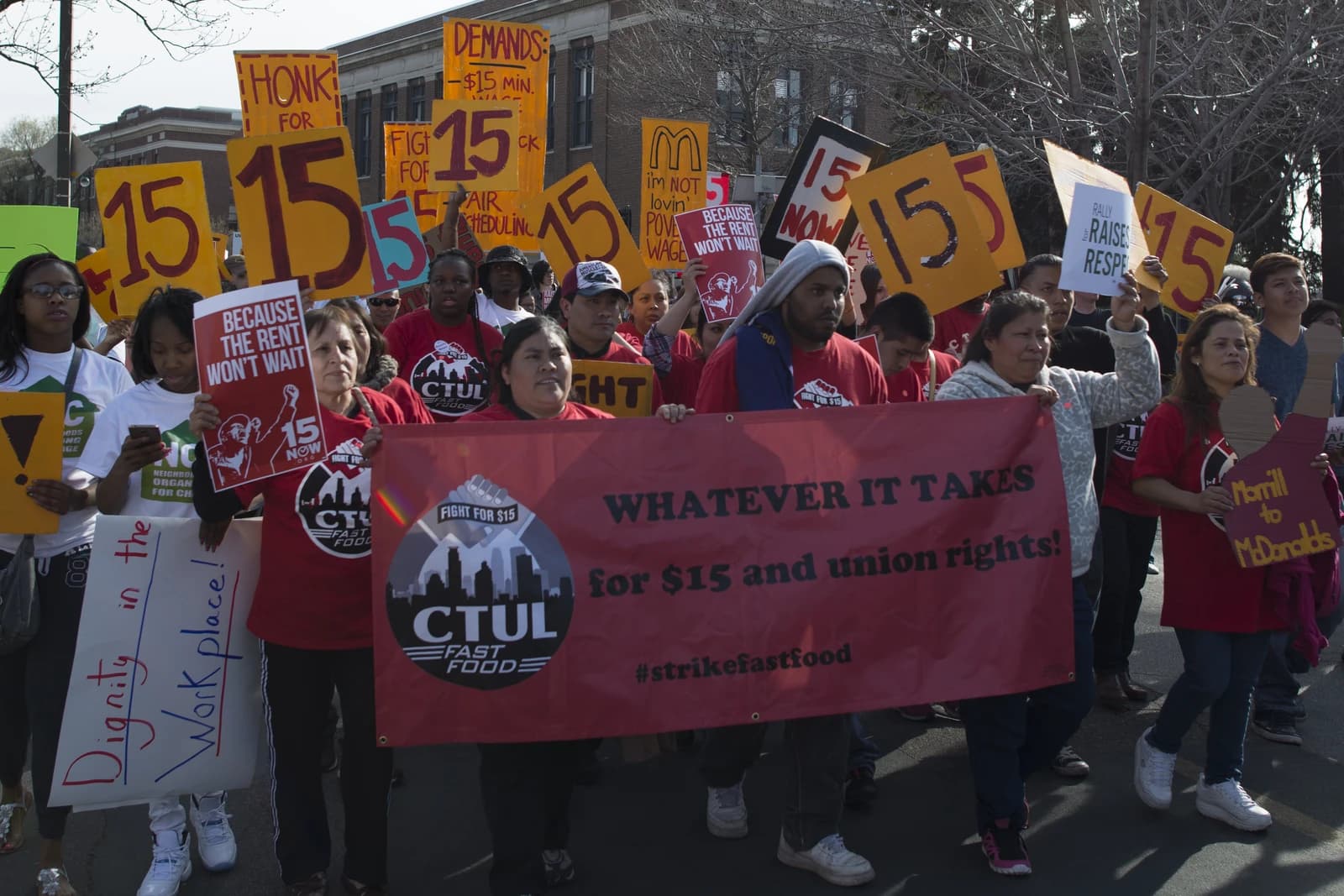
The move matters economically because it raises household income, supports consumption and feeds directly into government payroll spending at a time when living costs remain a political and social pressure point. It also risks adding wage inflation to the mix if employers in the private sector try to offset higher labor costs by underreporting salaries.
Sentiment IndicatorsⓘProprietary · adalytica.com · October 4, 2026
This is a snapshot — live sentiment, awareness and momentum for 130+ markets update continuously in the dashboard.Open AlphaPulse
Millət Vəkili Vüqar Bayramov said the increase will affect not only workers on the minimum wage, but also salaries across the unified tariff grid used for budget-funded jobs. He said monthly base pay for employees financed from the state budget will be adjusted in line with a presidential decree, with the minimum wage hike effectively pushing up wages across all 19 grades in the tariff schedule.
The broadening of the pay rise is more important than the headline minimum wage number itself. Current monthly tariff wages in the grid range from 400 manat to 1,150 manat, meaning the increase will ripple through a large part of the public workforce rather than staying confined to entry-level pay.
Bayramov also said all types of labor pensions are set to be indexed upward from January, covering 1.1 million citizens. That adds another layer of fiscal support to consumption, while also increasing the state’s recurring spending obligations.
The policy comes with a familiar risk for employers: a shift toward “black payrolls,” or underreported wages, as companies seek to avoid higher labor costs. For investors and business owners, that means the immediate benefit to workers could be partly offset if enforcement is weak and informal pay practices rise.
The key issue now is implementation, especially whether wage and pension increases are matched by stronger compliance checks in the private sector and enough budget room to absorb the higher public-sector bill.
| Entity | Gains | Losses |
|---|---|---|
| Low-wage workers | ▲Higher take-home pay | ▼None immediately |
| Public-sector employees | ▲Higher tariff-grid salaries | ▼Budget pressure if inflation rises |
| Pensioners | ▲Indexed pension income | ▼Fiscal burden risks |
| Employers | ▲Potential demand support from consumers | ▼Higher labor costs, informal payroll risk |