Egypt’s finance ministry is preparing to begin paying September 2026 salaries to 5.4 million state workers over five days starting Sept. 24, marking the third payroll under the current 2026/27 fiscal year and the first to fully reflect this year’s wage increases.
Egypt pays September salaries to 5.4 million workers
The move matters because public-sector pay is one of the government’s biggest recurring cash outflows and a key lever for household spending in a country where millions of workers depend on state income. By bringing forward the September payroll, the government is trying to ease pressure on employees while reinforcing a broader policy push to improve public wages.
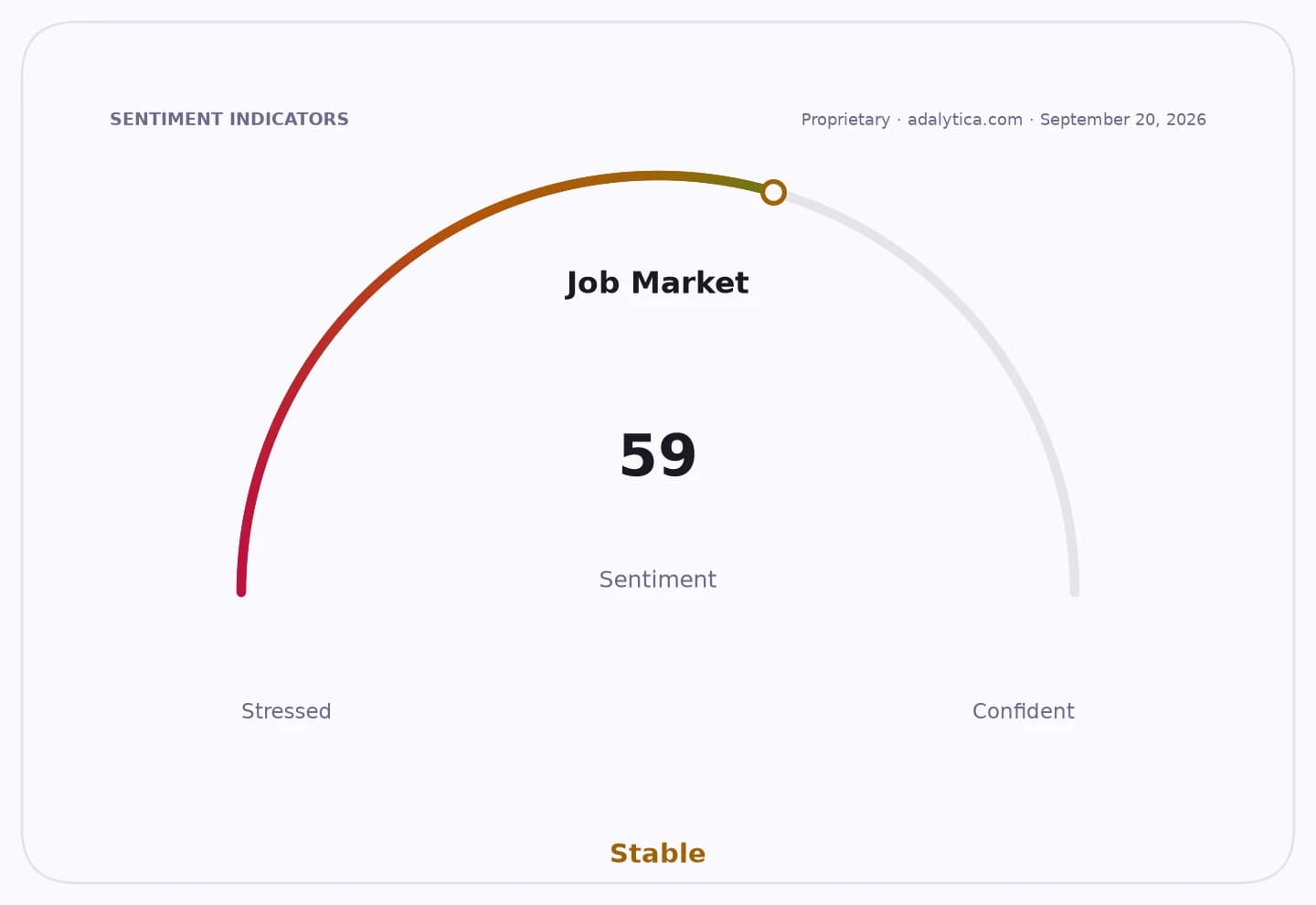
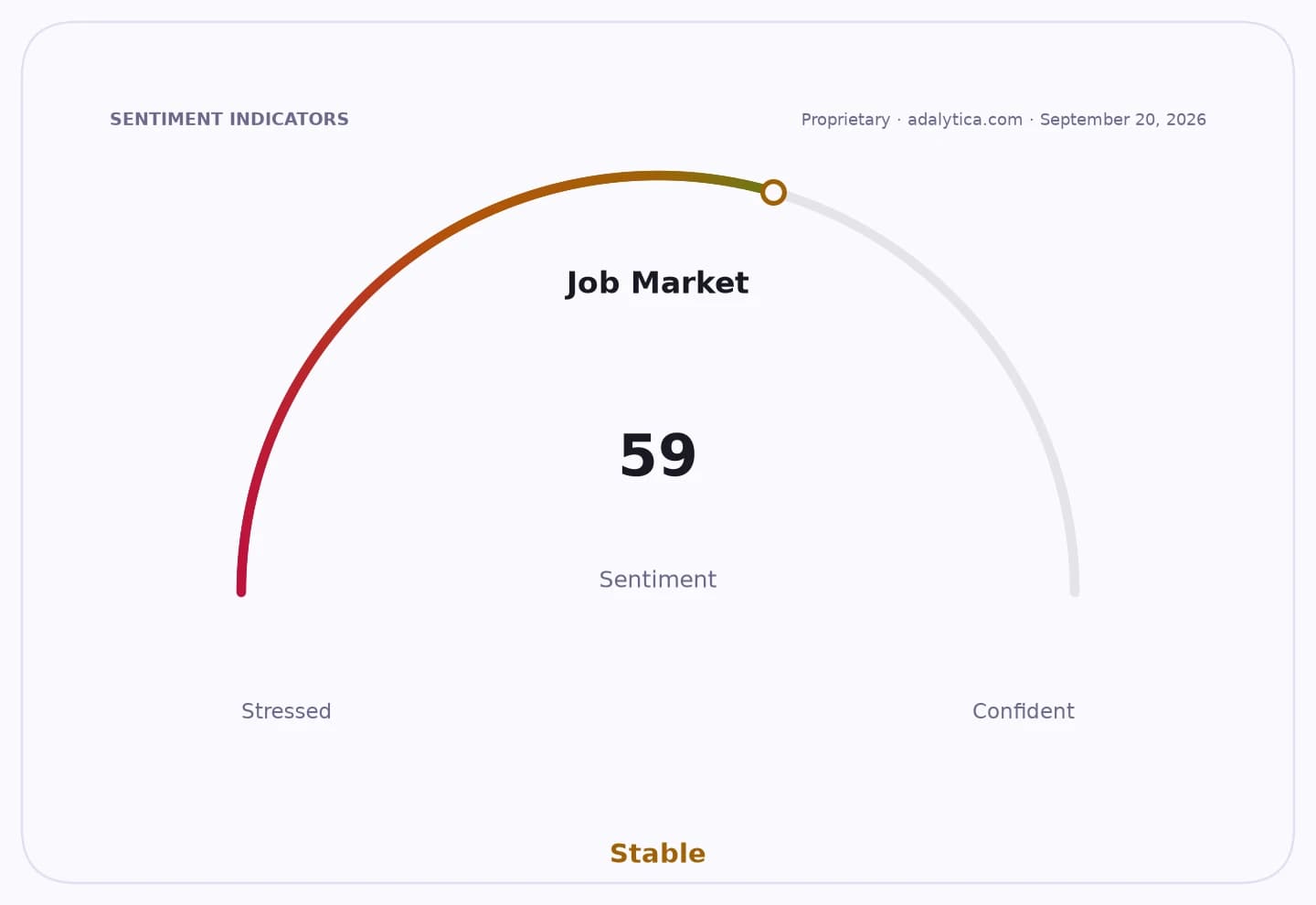
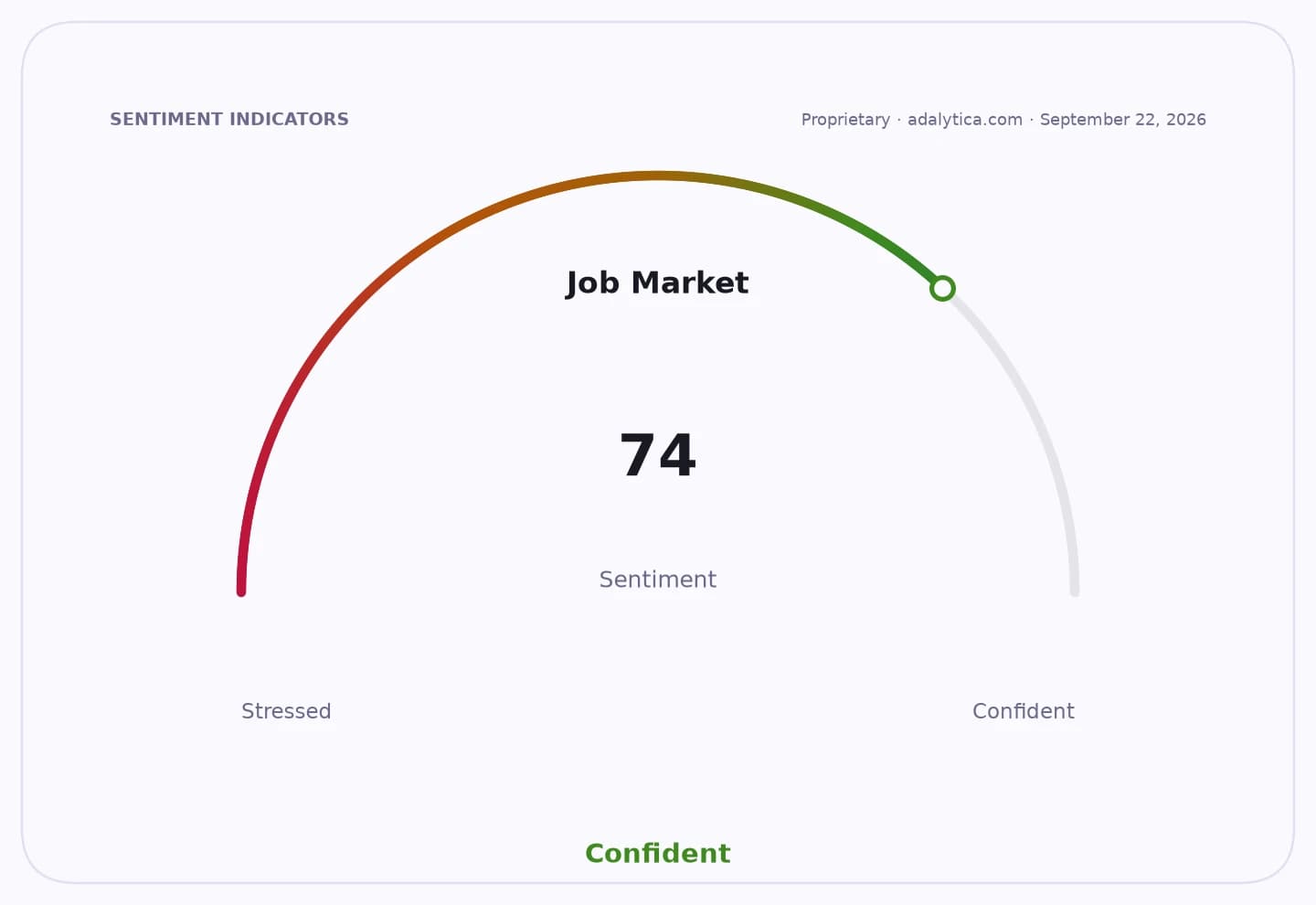
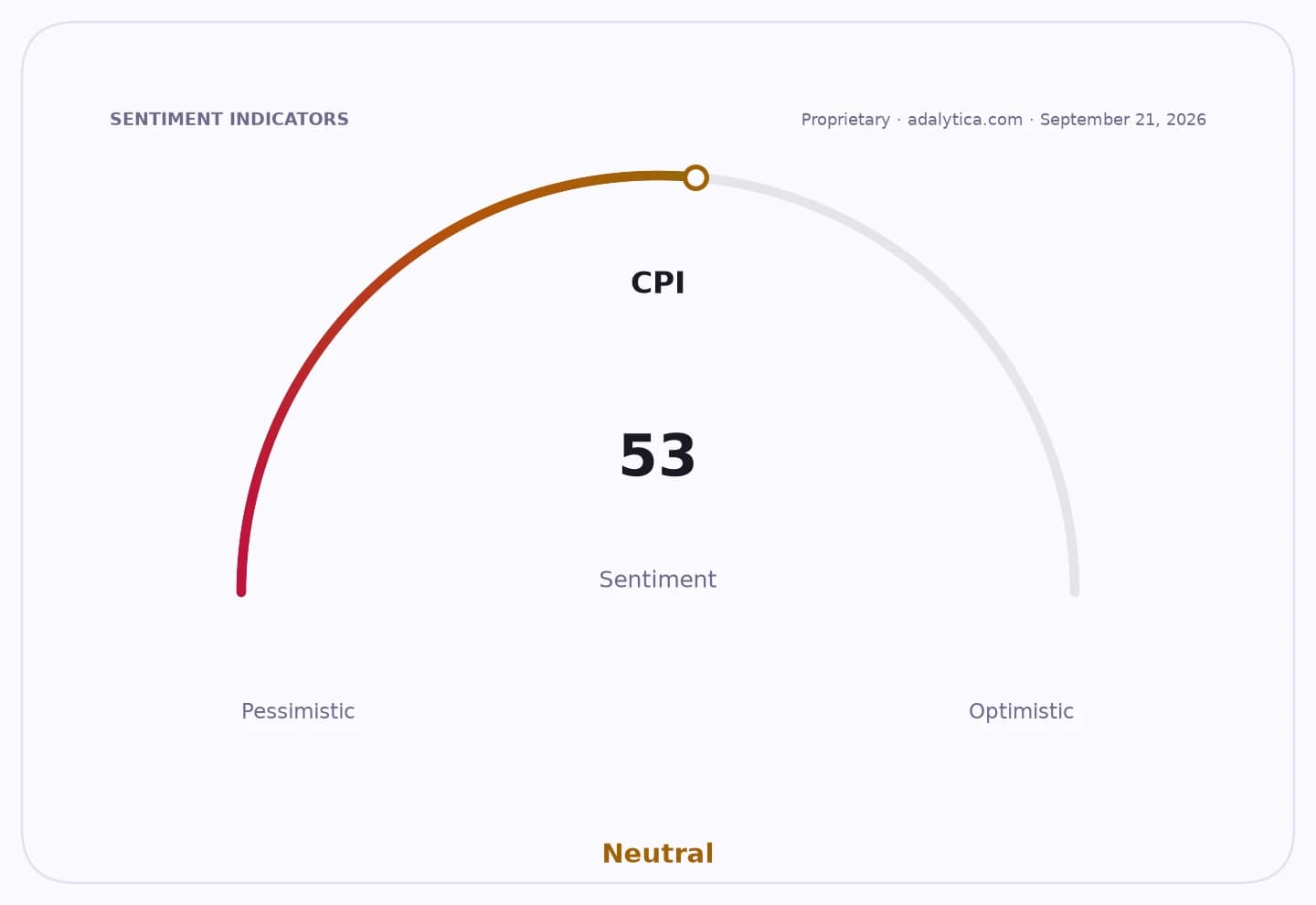
Sentiment IndicatorsⓘProprietary · adalytica.com · September 12, 2026
This is a snapshot — live sentiment, awareness and momentum for 130+ markets update continuously in the dashboard.Open AlphaPulse
The ministry said the minimum monthly wage was raised to 8,000 Egyptian pounds at the start of the fiscal year, alongside a 12% periodic raise for workers covered by civil-service law and a 15% raise for workers under special statutes and professional cadres. An additional 750-pound bonus is also being added.
Payroll will be distributed across more than 57 ministries and agencies, with payments staggered from Sept. 24 through Sept. 30. Officials said the schedule is intended to reduce bottlenecks in the government payments system while ensuring the higher wage structure is implemented across the public workforce.
The increases imply a monthly floor of 8,800 pounds for sixth-grade employees, 9,822 pounds for fifth-grade workers, 9,934 pounds for fourth-grade staff and about 10,500 pounds for third- and second-grade employees. First-grade staff will receive 11,054 pounds, rising to 12,286 pounds for general manager level, 13,294 pounds for senior grades and 15,534 pounds for top-tier positions.
For investors, the significance is less about the direct payroll itself than about what it says on spending priorities and the government’s effort to stabilize consumption without waiting for later fiscal measures. Higher public wages can support retail demand and services activity, but they also add to budget pressure at a time when Egypt is balancing wage reform, inflation management and fiscal consolidation.
The announcement also underscores the state’s role as a major employer and the political sensitivity of public compensation. Any delay or disruption in payroll would quickly ripple through consumer spending and sentiment, making the September schedule an important test of administrative execution.
The next focus will be whether the higher wage bill shows up in broader fiscal data and whether the government follows with more support measures for public workers as the fiscal year progresses.
| Entity | Gains | Losses |
|---|---|---|
| State workers | ▲Higher wages and bonus | ▼None immediate |
| Consumer sector | ▲Stronger household spending | ▼Tighter budget room |
| Egyptian government | ▲Social stability, payroll compliance | ▼Higher fiscal burden |
| Taxpayers/bondholders | ▲— | ▼More spending pressure on public finances |