The Punjab government has accepted employees’ long-pending demands, clearing the way for a rise in dearness allowance that will lift wage costs for the state and boost take-home pay for workers.
Punjab approves higher dearness allowance for employees
The move ends a protracted standoff with government staff and is economically significant because dearness allowance, or DA, is tied directly to inflation and forms a large part of public-sector compensation. Any upward revision feeds through immediately into the state’s recurring salary bill, tightening an already stretched fiscal position even as it supports household spending for a broad base of salaried workers.
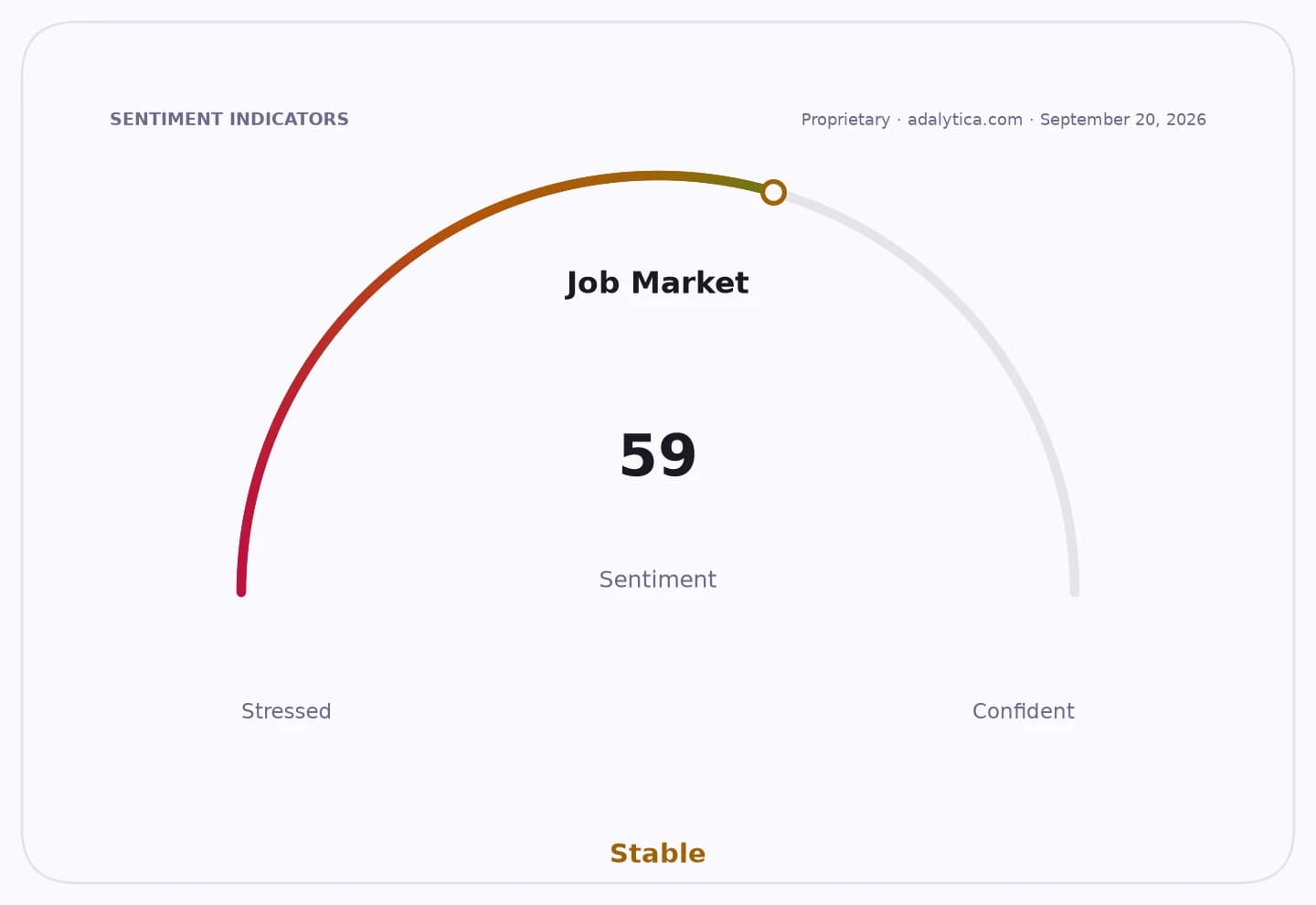
Sentiment IndicatorsⓘProprietary · adalytica.com · September 20, 2026
This is a snapshot — live sentiment, awareness and momentum for 130+ markets update continuously in the dashboard.Open AlphaPulse
For Punjab, the deal is as much a budget decision as a labour settlement. Higher DA payments will add pressure to revenue expenditure, which in turn can crowd out capital spending unless the government finds offsetting savings or additional revenue. That makes the agreement relevant not just to employees, but to bond investors and anyone tracking the state’s fiscal flexibility. A larger wage bill can limit room for welfare schemes, infrastructure outlays and debt reduction, especially when states are already coping with slower tax growth and sticky subsidy commitments.
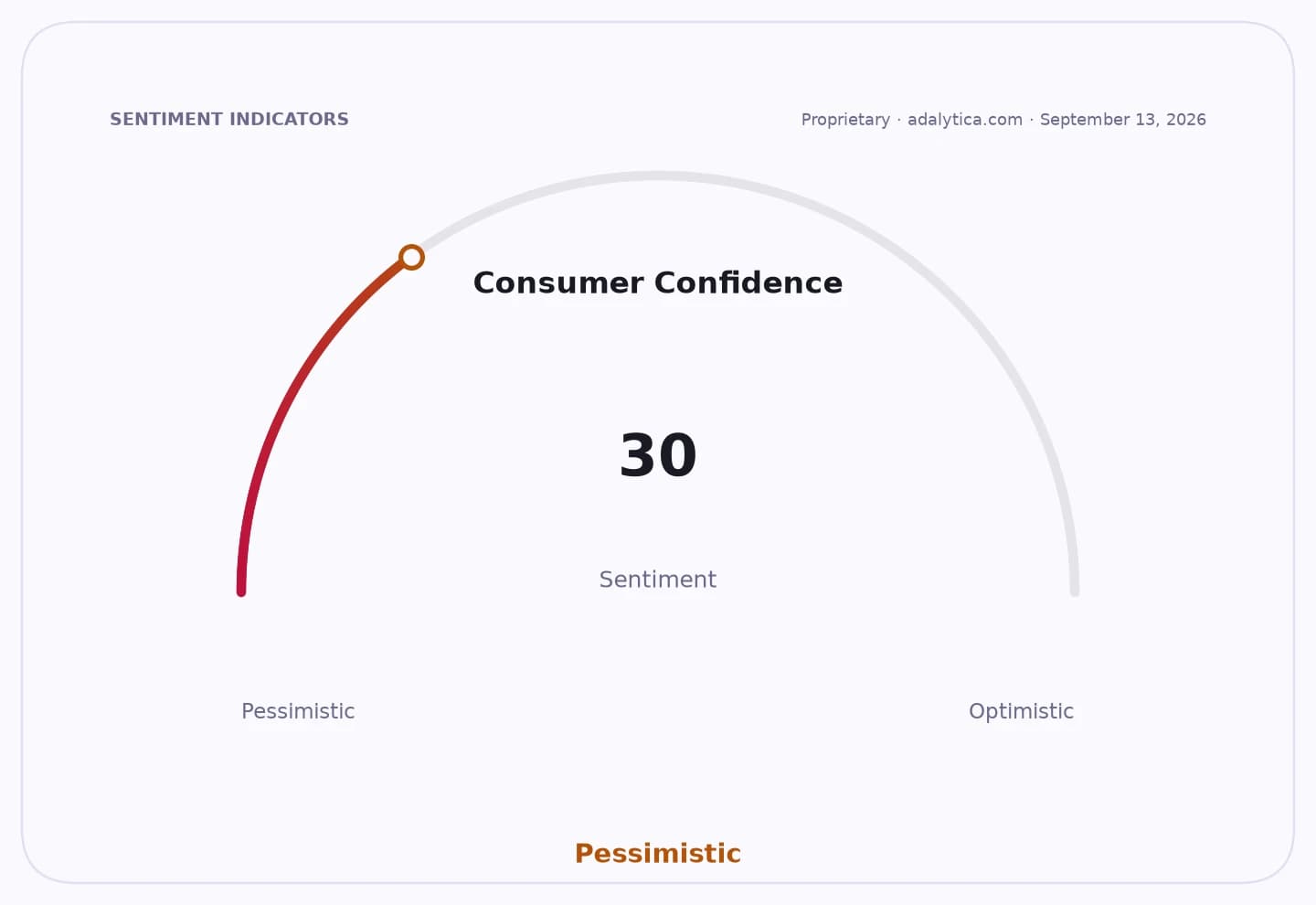
For workers, however, the outcome is straightforwardly positive. The allowance increase will raise monthly income and should provide some relief against inflation, supporting consumption in the near term. That matters in a state where household demand has been uneven and job-market sentiment remains fragile: Adalytica’s Job Market Sentiment gauge shows a neutral reading of 59, while its consumer confidence recession sentiment stands at 33, both pointing to caution rather than robust optimism.
The policy also carries a political message. By conceding the demand, the government has defused a labour dispute that could have spilled into public services and administration. But the relief may be temporary if employees push for further revisions or if the higher wage burden forces the government to delay other spending commitments. The central question now is whether Punjab can absorb the extra payroll cost without widening fiscal stress or whether the settlement becomes another drag on an already constrained budget.
| Entity | Gains | Losses |
|---|---|---|
| Punjab government employees | ▲Higher take-home pay | ▼None immediate |
| Punjab government | ▲Labour peace | ▼Higher salary bill |
| State finances | ▲Short-term stability | ▼Fiscal headroom |
| Consumers/households | ▲More disposable income | ▼None immediate |