Greek workers are headed for another meaningful pay rise, and the bigger story for investors is that the state is trying to lift household incomes without letting labor costs spiral out of control.
Greece plans minimum wage rise to 1,000 euros by 2028
The government’s plan calls for the minimum wage to climb to 1,000 euros by January 2028, up from 920 euros today, through two steps: one in April 2027 and another in January 2028. For workers with seniority allowances, gross pay could reach as much as 1,300 euros. That would extend a sharp multi-year re-rating of the bottom of the wage scale, which has risen 54% from 650 euros in 2021.
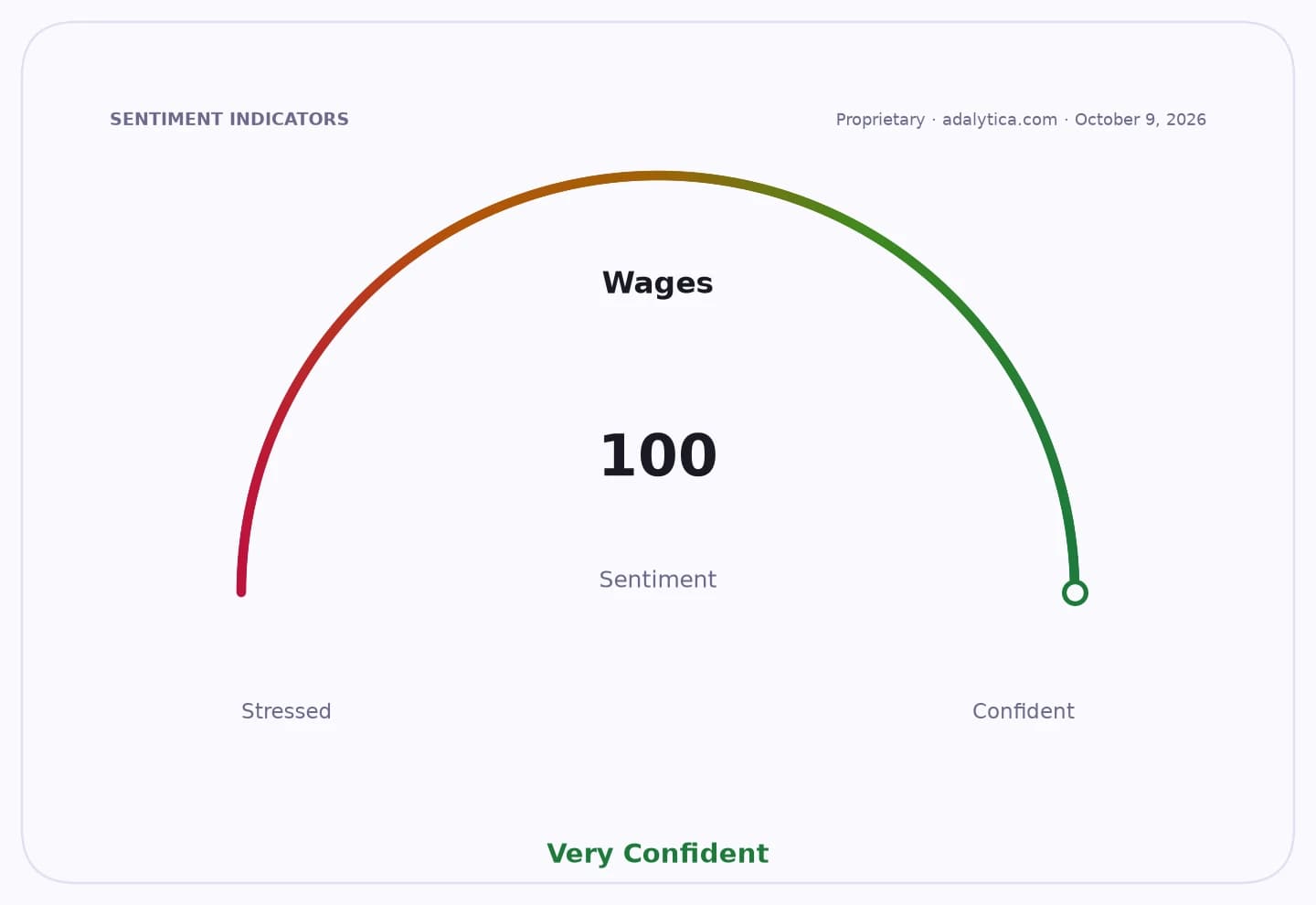
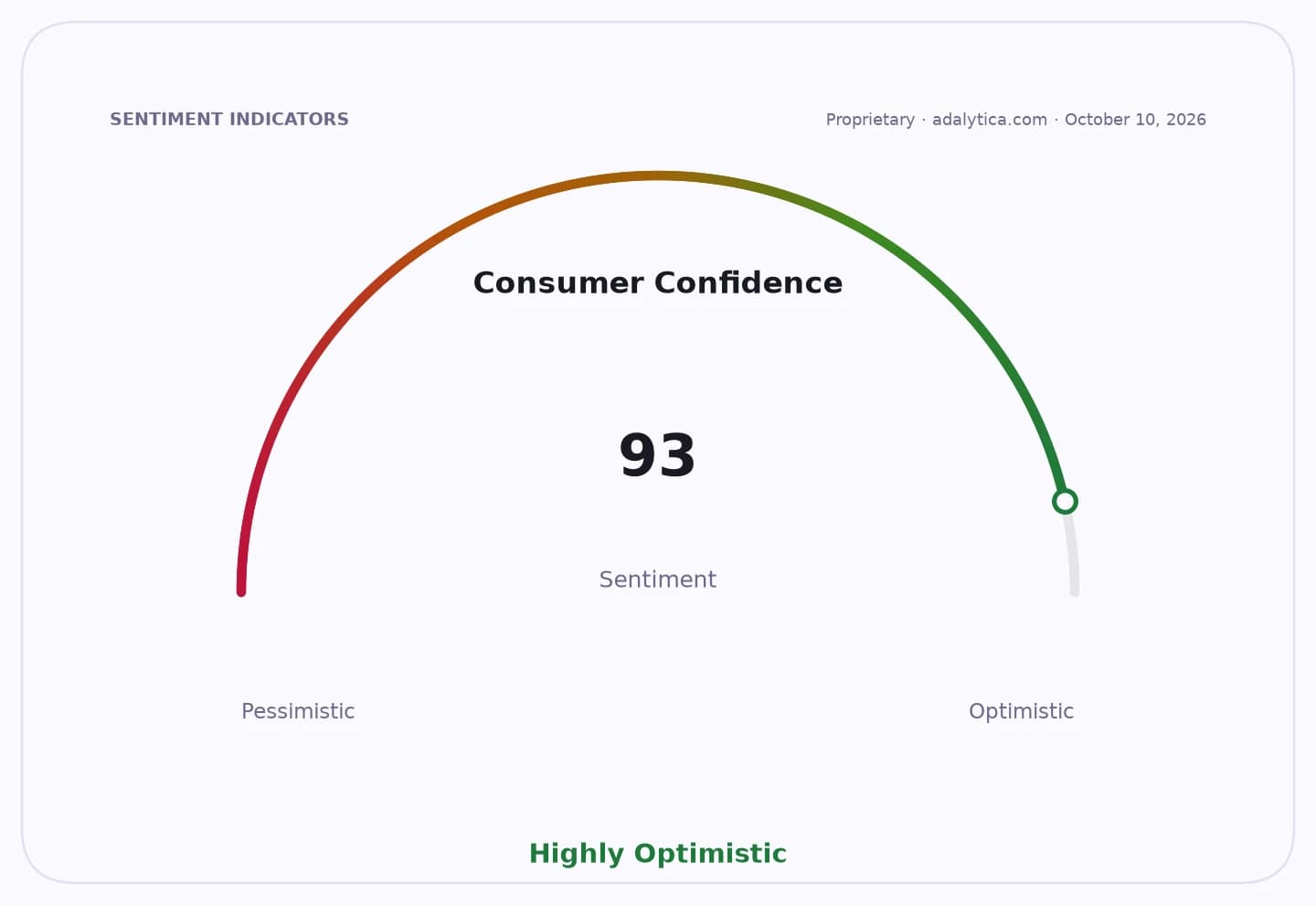
Sentiment IndicatorsⓘProprietary · adalytica.com · October 10, 2026
This is a snapshot — live sentiment, awareness and momentum for 130+ markets update continuously in the dashboard.Open AlphaPulse
This matters economically because wage policy is now being used as a direct tool to support consumption, not just labor protection. Greece’s recovery has been helped by stronger employment and easing unemployment, while inflation has stayed high enough to keep pressure on real incomes. A higher minimum wage, combined with lower payroll deductions, should put more money in workers’ pockets and help shore up spending on everyday goods and services.
The second piece is just as important for the corporate side. Alongside the wage increase, employee social contributions in the private sector will fall by 0.5 percentage point from April 2027, with the cut landing on the part of contributions that comes out of workers’ pay. The fiscal cost is estimated at 163 million euros in 2027 and 218 million euros in 2028, financed by a permanent increase in the state subsidy to the country’s employment agency. For investors, that means the policy is not just headline-grabbing pay politics; it is a structured attempt to ease the burden on labor while avoiding an immediate hit to employer payrolls.
By 2027, total social contributions in the private sector are expected to fall to 34.66% from 40.56% in 2019. Worker contributions would drop to 12.87% from 15.75%, while employers’ share would ease to 21.79% from 24.81%. That combination is what makes the policy economically interesting: it supports take-home pay without forcing the full cost onto companies, which matters for margins in labor-intensive sectors such as retail, hospitality and consumer services.
For equity investors, the likely beneficiaries are firms tied to domestic consumption if the income boost feeds into spending on food, leisure and basic services. The pressure points are employers that rely heavily on minimum-wage labor, especially smaller businesses with limited pricing power. In a market sense, that is why consumer-facing stocks can benefit from the stronger wage floor even as some labor-heavy names absorb a higher wage bill.
The long-term narrative is a familiar one across Europe: governments want wages to rise enough to support living standards and political stability, but not so fast that inflation or competitiveness is damaged. Greece is trying to thread that needle by pairing wage gains with contribution cuts. If productivity keeps improving and inflation stays contained, the 2027-2028 package could reinforce the consumer recovery rather than undermine it.
For investors, the takeaway is straightforward: this is a pro-income, pro-demand policy, but it will reward businesses that can pass through costs or capture more spending. Keep an eye on domestic consumption stocks, labor-intensive sectors and companies with strong pricing power. For patient investors, the best play is still selective ownership of resilient businesses, not chasing the wage headline itself.
| Entity | Gains | Losses |
|---|---|---|
| Greek workers | ▲Higher take-home pay | ▼None directly |
| Consumer-facing companies | ▲Stronger household spending | ▼Higher wage bills |
| Labor-intensive employers | ▲Lower payroll charges | ▼Margin pressure from wages |
| Retailers and services | ▲More domestic demand | ▼Smaller firms with weak pricing power |