Swiss employees do not have an automatic legal right to a salary increase every year, even as household costs continue to rise and the country’s pay negotiations remain tightly tied to individual performance and sector contracts.
Swiss wages tied to performance, not automatic raises

That distinction matters because Switzerland’s high cost of living, especially health insurance and essential services, is keeping pressure on real wages. But the labor market response is not a blanket indexation system: employers are under no general obligation to lift pay annually, and in many cases any increase depends on a company’s collective labor agreement, the individual employment contract, or a worker’s performance review.
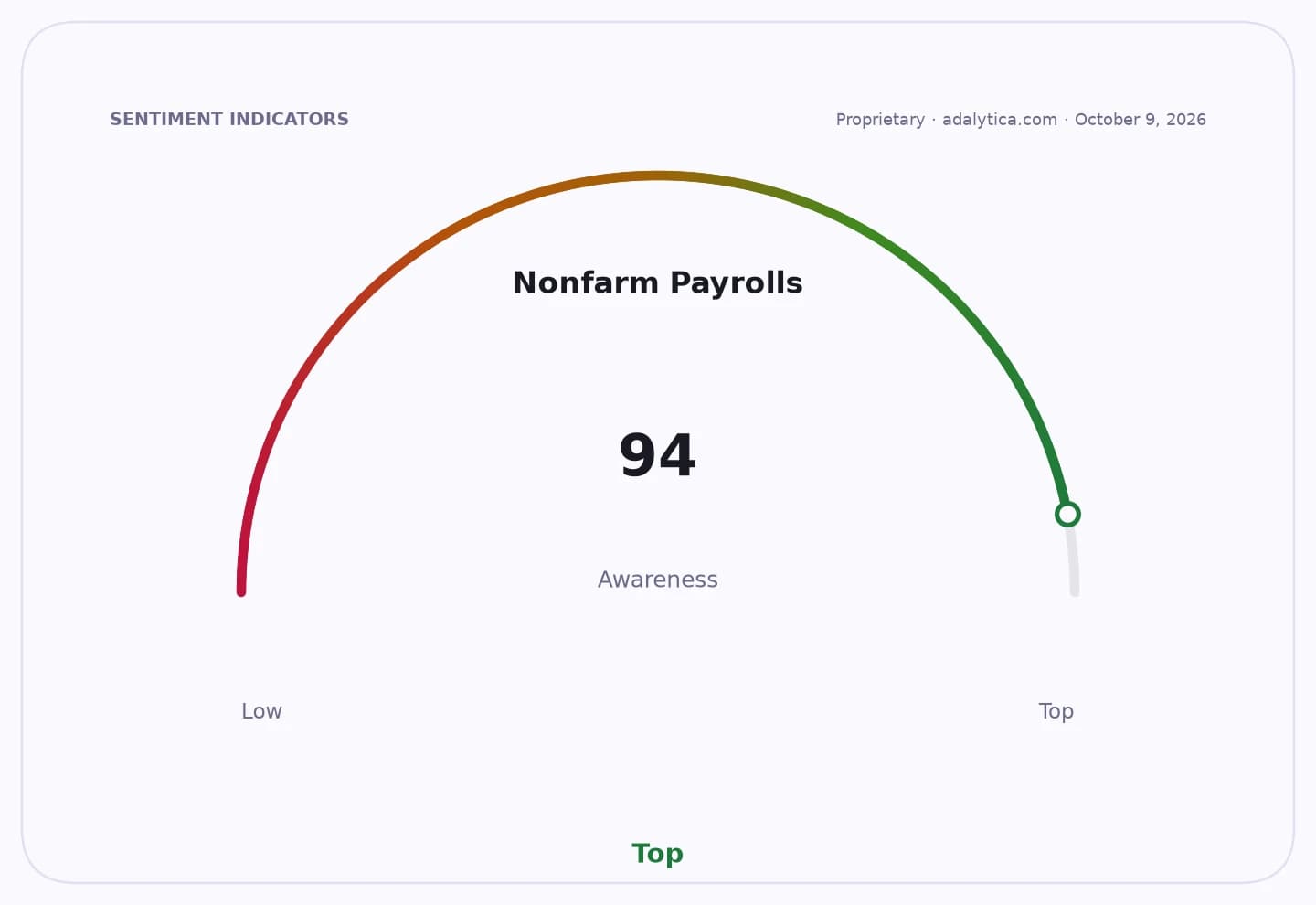
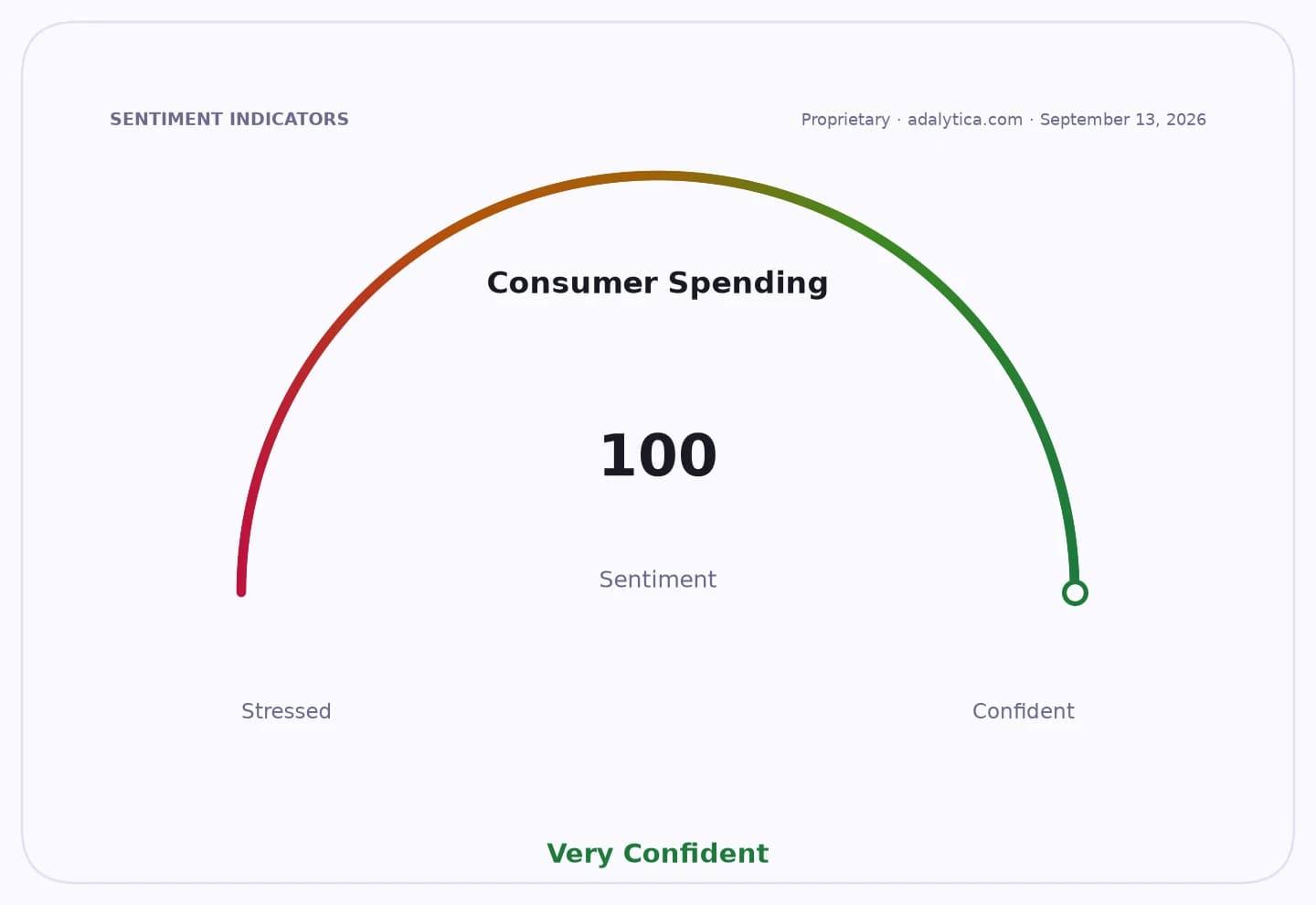
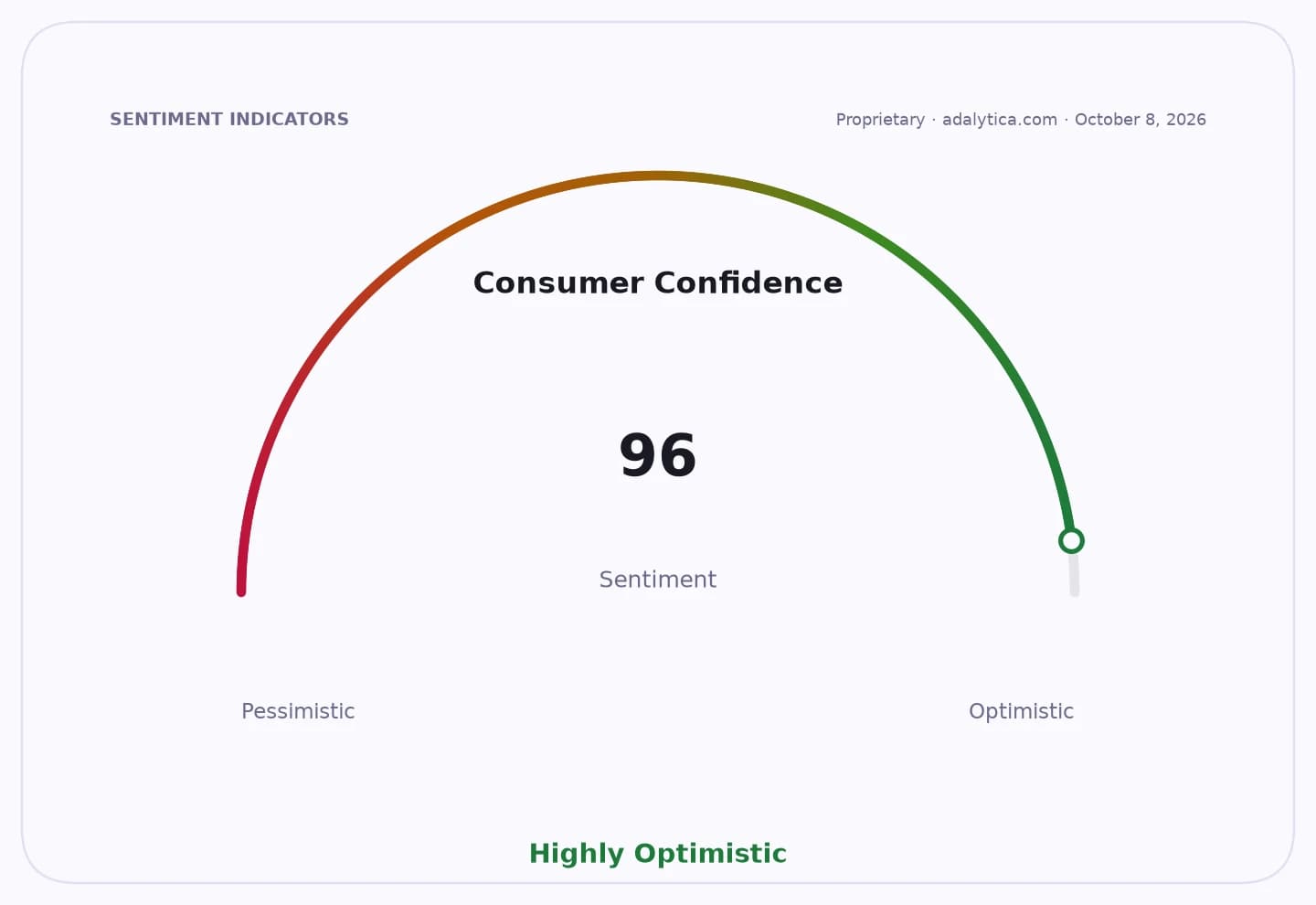
Sentiment IndicatorsⓘProprietary · adalytica.com · October 10, 2026
This is a snapshot — live sentiment, awareness and momentum for 130+ markets update continuously in the dashboard.Open AlphaPulse
A 2026 WTW survey of Swiss companies underscores how selective pay growth has become. Firms in the study raised salaries by an average 2.4% this year, but 97% said increases were linked to individual performance. Top performers received average raises of 3.9%, above-average workers 3.1%, average performers 2.0% and below-average workers just 0.8%. In other words, pay growth is being used less as a broad inflation buffer and more as a retention and differentiation tool.
That approach helps employers protect margins in a costly economy, but it also means inflation pressure does not automatically translate into higher household income. For workers, especially those facing rising premiums and everyday expenses, the gap between living costs and wage growth can widen even in a relatively stable labor market. For unions, it explains why wage talks remain a recurring flashpoint even though strikes are rare in Switzerland and compromise remains the norm.
The broader labor picture also suggests that pay gains remain uneven over a career. Federal statistics cited by The Local show workers over 50 tend to be among the highest earners, reflecting accumulated experience and seniority rather than annual contractual uplift. That reinforces the message for employees: raises are negotiable, not guaranteed, and they are more likely where contracts or bargaining agreements explicitly provide for them.
For investors and employers, the implication is straightforward. Switzerland’s wage-setting model offers flexibility and helps contain economy-wide labor cost inflation, but it also leaves consumer purchasing power more exposed when living costs rise faster than wages. That dynamic matters for domestic demand, staffing costs and labor relations in sectors already under pressure from tight margins and skilled-worker shortages.
The key question for the coming year is whether persistent cost-of-living pressure will push more sectors toward broader wage settlements, or whether performance-based pay will remain the default in a labor market still defined by restraint and negotiation.
| Entity | Gains | Losses |
|---|---|---|
| Swiss employers | ▲Pay flexibility | ▼Automatic wage inflation |
| High-performing workers | ▲Larger raises | ▼Equal-pay systems |
| Swiss households | ▲Bargaining leverage | ▼Real income pressure |
| Unions | ▲More wage bargaining relevance | ▼Limited strike leverage |