Israel’s labor market is still adding income, not just jobs, and that is the key economic story for investors watching the country’s consumption engine, inflation outlook and technology-heavy growth model.
Israel wages rise as employment grows
The Central Bureau of Statistics said the average salaried wage rose to 14,448 shekels in August, up 4.2% from a year earlier, or 581 shekels more per worker. At the same time, the number of salaried positions climbed to 4.16 million, a 1% annual increase, underscoring that the economy is continuing to absorb workers even as the pace of pay gains normalizes from earlier peaks.
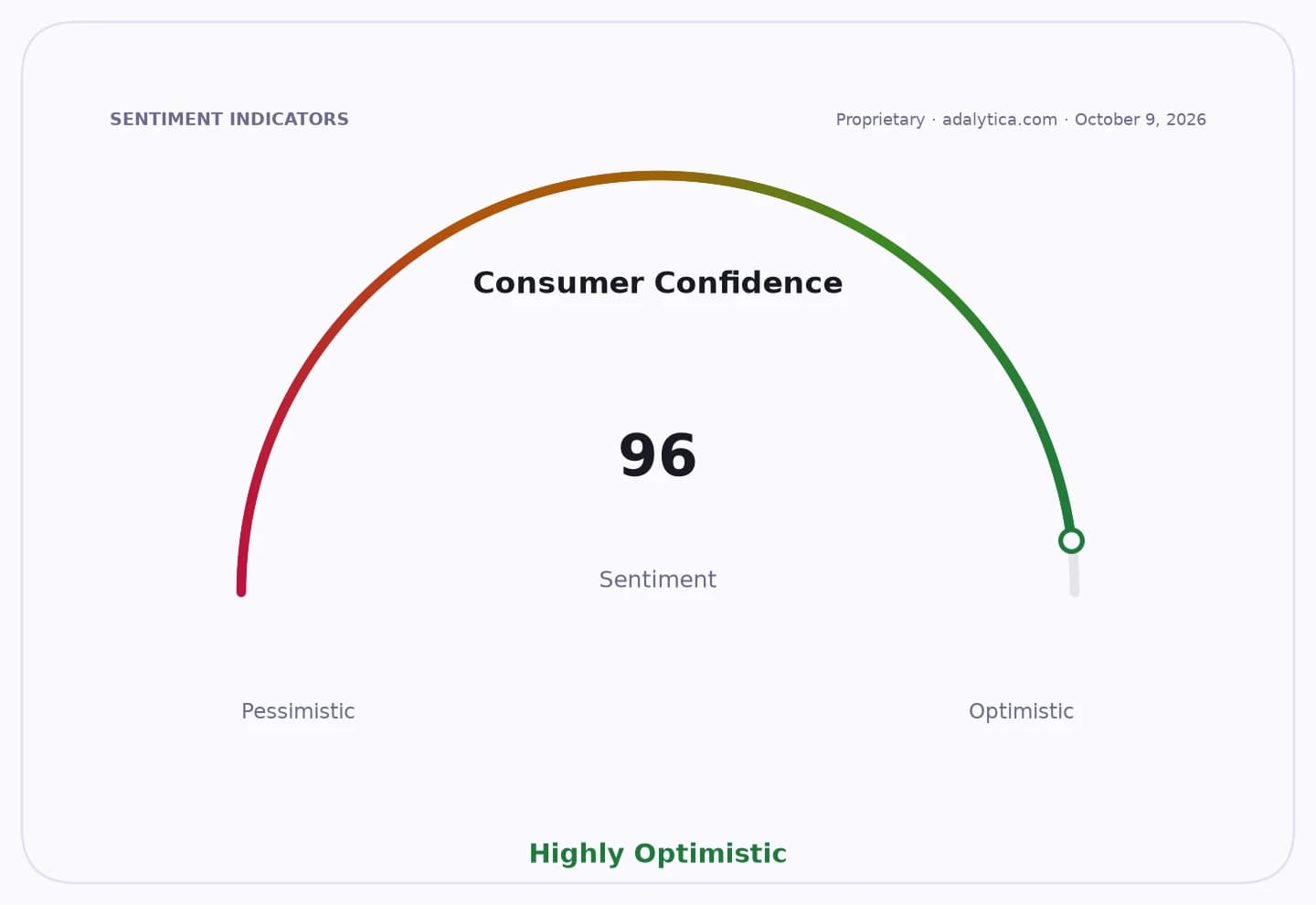
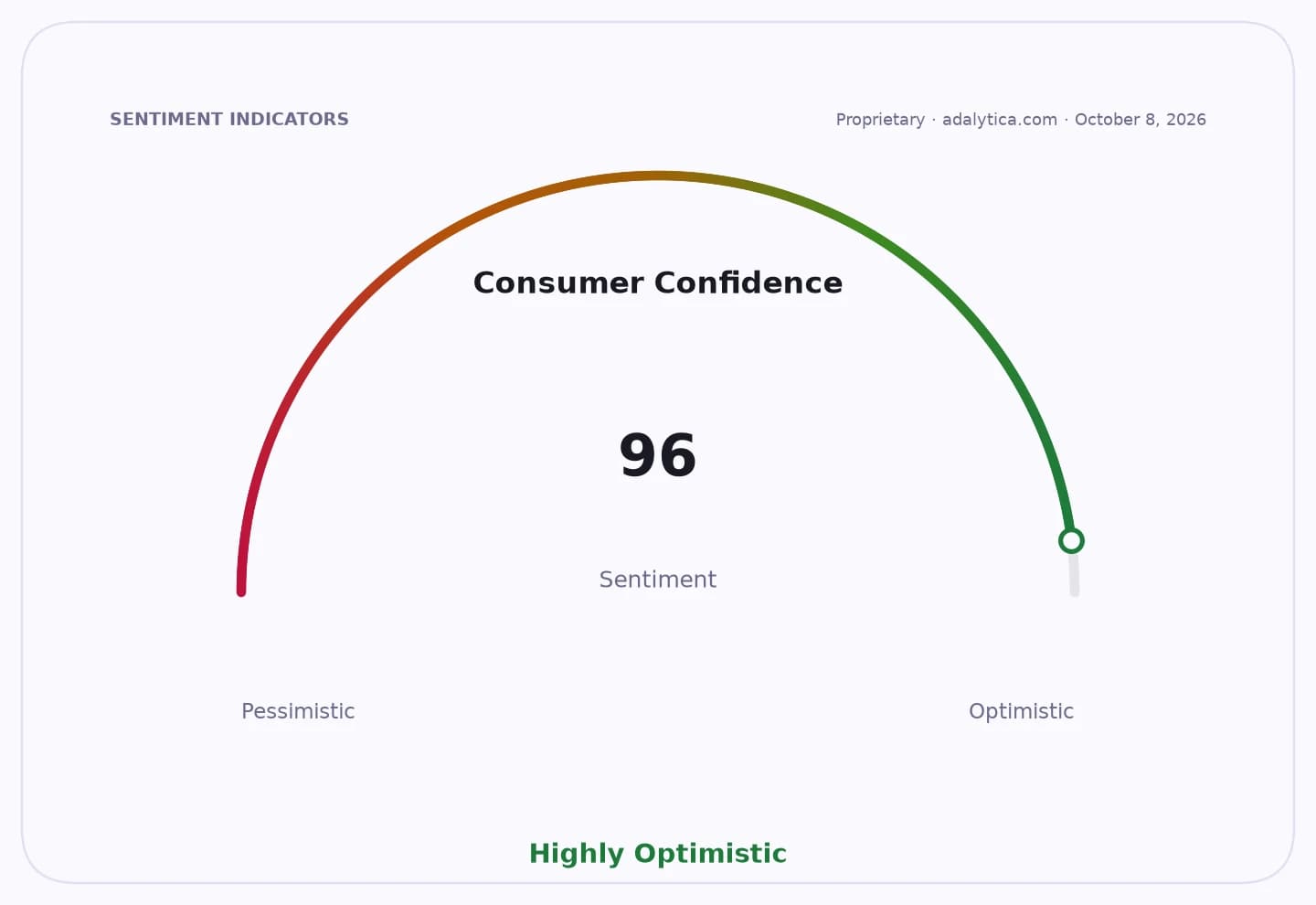
Sentiment IndicatorsⓘProprietary · adalytica.com · October 8, 2026
This is a snapshot — live sentiment, awareness and momentum for 130+ markets update continuously in the dashboard.Open AlphaPulse
That matters because Israel’s growth model depends heavily on a high-income labor force that can sustain private consumption, tax receipts and domestic demand. Faster wage growth without a collapse in employment points to a labor market that is still tight enough to support spending, but not yet so overheated that it clearly signals a sharp slowdown ahead. For policymakers, that is a delicate balance: stronger household income can keep the economy resilient, but it also limits how quickly inflationary pressure can fade.
The biggest source of wage strength remains high tech, where average pay for skilled workers jumped to 34,300 shekels in August, up 2.3% from a year earlier. With about 400,000 people employed in the sector, roughly one in every 10 salaried jobs in Israel is now tied to high tech. That concentration matters far beyond one industry. It anchors a large share of the country’s discretionary spending power, supports demand for housing and services, and reinforces the premium valuation attached to Israel’s innovation economy.
For investors, the message is that Israel’s domestic demand story is still alive, even if monthly wage data showed a slight pullback from July. The combination of rising employment and year-on-year pay gains is supportive for banks, consumer-facing businesses and other companies exposed to household income. It also helps explain why Israel continues to attract capital around its technology ecosystem, which remains the clearest secular growth driver in the economy.
The broader takeaway is that Israel is not facing a labor-market deterioration; it is navigating a late-cycle expansion in which wages are still rising and jobs are still being created. That is constructive for the real economy, but it also means markets should keep watching the next few wage prints closely for any sign that strong income growth starts to feed through more aggressively into inflation and policy expectations. For now, the balance still favors staying positioned with Israel’s productivity winners and the domestic beneficiaries of a still-expanding paycheque economy.
| Entity | Gains | Losses |
|---|---|---|
| Israeli workers | ▲Higher pay packets | ▼Slower real-wage gains if inflation rises |
| High-tech sector | ▲Strong wage leadership | ▼Cost pressure on employers |
| Domestic retailers and banks | ▲More household spending power | ▼None clearly from this report |
| Inflation-sensitive policymakers | ▲Better labor data visibility | ▼Less room for easy-rate cuts |