Wages in manufacturing are rising even in regions where pay had long stagnated, tightening cost pressures for industrial companies and raising the odds that price increases, automation and selective hiring become more important tools to protect margins.
Manufacturing wages rise, pressuring industrial margins
The change matters because manufacturing has been one of the clearest examples of a sector where local labor markets were once split between strong hubs and low-wage backwaters. A broadening wage uptrend suggests those gaps are narrowing, which can lift household spending and support industrial employment, but also erodes one of the last structural advantages some producers had in lower-cost regions.
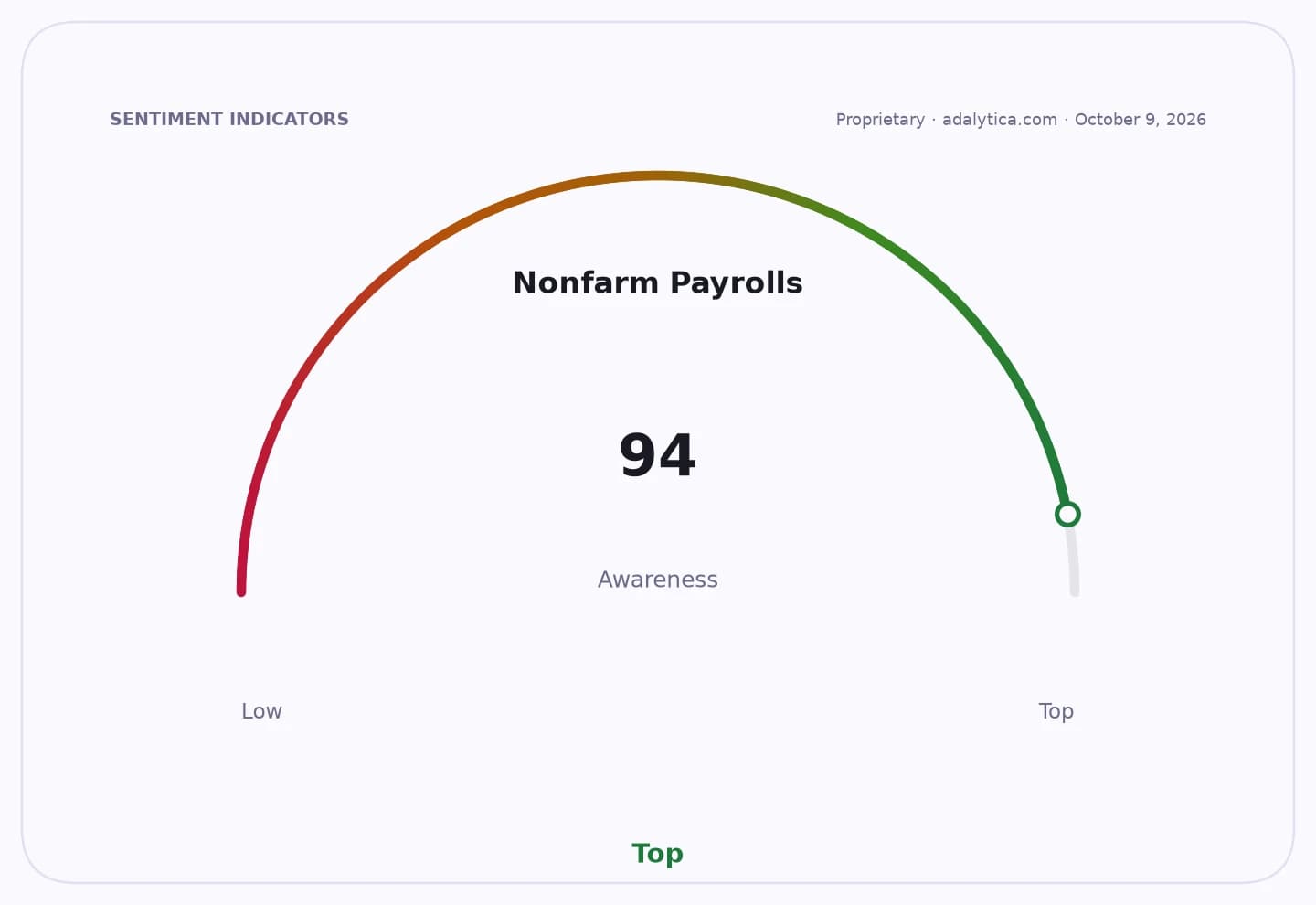
Sentiment IndicatorsⓘProprietary · adalytica.com · October 9, 2026
This is a snapshot — live sentiment, awareness and momentum for 130+ markets update continuously in the dashboard.Open AlphaPulse
That pressure is showing up in company filings. Honeywell has said supply chain disruption can force it to offset “material price or labor inflation” through higher customer prices, while Eaton pointed to a drag from “higher commodity and wage inflation” even as operating margins improved on efficiencies and mix. Deere has also highlighted manufacturing cost dynamics tied to higher volumes and production efficiencies, underscoring how labor costs remain part of the margin equation even for companies with strong pricing power.
For investors, the implications are two-sided. Higher wages can help sustain demand for machinery, automation and industrial equipment if they reflect a healthier manufacturing cycle. But they also threaten earnings quality if pay gains outstrip productivity. That is particularly relevant for capital goods makers with exposed factory footprints and global supply chains, where wage inflation can arrive alongside tariffs, input-cost swings and uneven end-market demand.
The market backdrop suggests investors are already trying to separate winners from losers in that environment. Caterpillar shares have been volatile but remain well above their 200-day moving average, while Deere has been under more pressure and recently slipped below that long-term trend gauge. Honeywell has held up better than Deere but has also retreated from its highs. The message is that industrial stocks are being judged not just on demand, but on how well they can absorb rising labor costs without sacrificing margins.
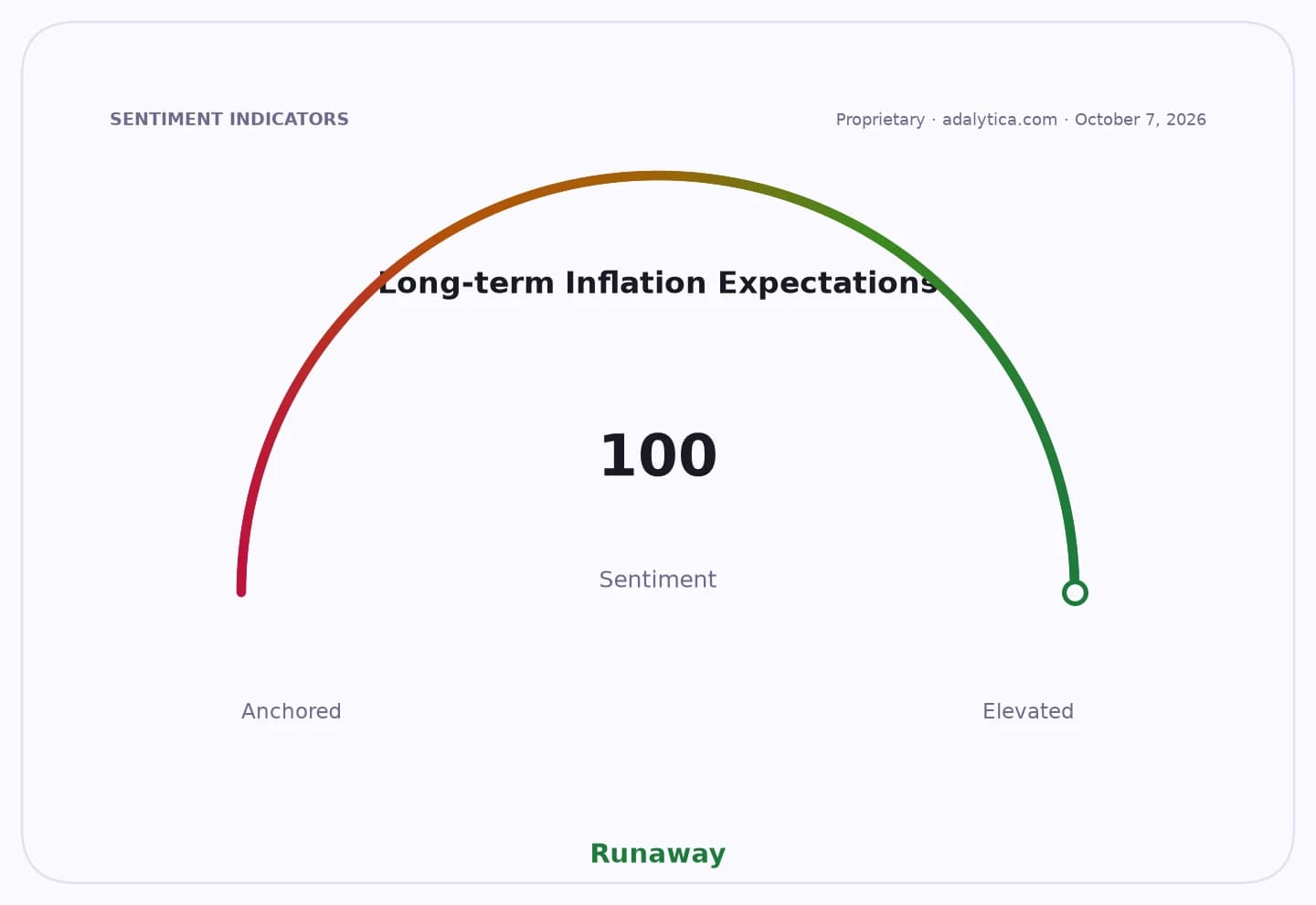
Adalytica’s Wage Inflation Sentiment gauge is currently at 100, or “Extreme Greed,” reflecting how quickly the topic has moved to the center of market attention. That does not predict wages directly, but it does capture the degree to which investors are focusing on labor-cost pressure as a live earnings risk.
The economic narrative is broader than a local pay catch-up. If manufacturing wages are rising across regions that previously lagged, the sector may be entering a new phase in which labor is scarcer, workers have more bargaining power and companies must compete harder for skilled technicians, metrologists and production staff. That can support consumer income and reduce regional inequality, but it also makes industrial inflation stickier.
For investors, the key question is whether companies can offset the wage trend with productivity, automation and pricing. Those with stronger pricing power and more efficient plants should be able to defend margins. Those with labor-intensive operations, weaker balance sheets or limited room to raise prices are more exposed if the wage cycle keeps broadening.
| Entity | Gains | Losses |
|---|---|---|
| Manufacturing workers | ▲Higher pay | ▼Limited in the short run |
| Industrial companies with pricing power | ▲Ability to pass on costs | ▼Margin squeeze from wage inflation |
| Automation and machinery suppliers | ▲More demand for productivity tools | ▼Slower payback if capex is delayed |
| Cost-sensitive manufacturers | ▲Better retention if they raise wages | ▼Lower profitability |