Türkiye’s next minimum wage increase is shaping up as one of the most consequential policy decisions for households, employers and inflation alike, with economists and market watchers now focusing on how large the adjustment will be rather than whether it will come.
Türkiye minimum wage increase weighs on inflation
The debate matters because the minimum wage sets the tone for wage settlements across the economy, feeds directly into consumer demand and can either reinforce or slow the central bank’s disinflation effort. With inflation still elevated and policy makers under pressure to protect purchasing power after years of price spikes, the size of the raise will influence real incomes, corporate payroll costs and the trajectory of domestic demand heading into the new year.
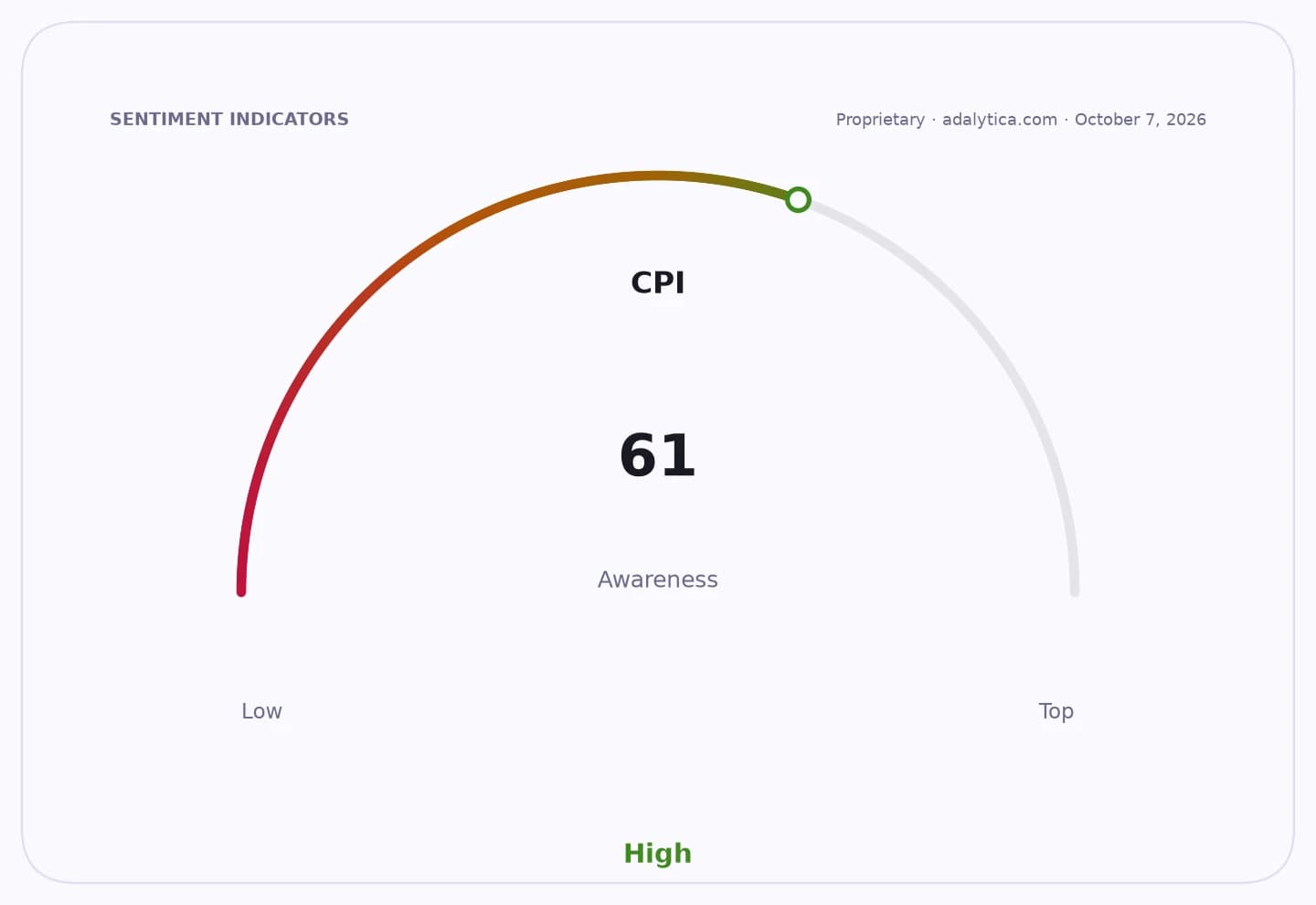
Sentiment IndicatorsⓘProprietary · adalytica.com · October 8, 2026
This is a snapshot — live sentiment, awareness and momentum for 130+ markets update continuously in the dashboard.Open AlphaPulse
Economist Ozan Bingöl has said the coming minimum wage will be determined by the latest inflation readings and the government’s medium-term program, a combination that points to a politically sensitive compromise between worker relief and macroeconomic discipline. The market’s attention is on whether the increase will merely preserve some of the purchasing power lost to inflation or deliver a larger catch-up that risks feeding a fresh round of price pressures.
That tension is central for investors because labor costs matter most in consumer-facing sectors, manufacturing and small businesses already operating with thin margins. A bigger-than-expected hike would support retail sales and household consumption, but it could also squeeze profitability and complicate the central bank’s inflation fight. A smaller adjustment, by contrast, would be friendlier to margins and disinflation, but would raise the risk of softer demand and sharper political backlash from workers.
Recent macro data underscore why the issue is so charged. The latest inflation readings show price growth still running well above comfort levels, even as the broader policy backdrop has shifted toward stabilization. Wage expectations, meanwhile, have become highly sensitive, with Adalytica’s wage inflation sentiment indicator showing “Extreme Greed,” a sign that the market is pricing in a meaningful increase rather than a token move.
For investors, the key question is less the headline number than the second-round effects. Companies with large low-wage workforces, especially in retail, hospitality, logistics and export manufacturing, will be among the most exposed if labor costs rise faster than productivity. Banks and consumer lenders could benefit if wage gains support repayment capacity and household spending, but that upside would be offset if higher pay reignites inflation and forces tighter monetary conditions for longer.
The likely narrative is familiar in Türkiye: policy makers trying to balance social pressure, inflation control and growth at the same time. If the government opts for a substantial raise, it may buy near-term relief for millions of workers but at the cost of more pressure on prices and margins. If it chooses restraint, it may help the disinflation process but deepen the squeeze on real incomes in an economy where purchasing power remains the dominant political and market variable.
| Entity | Gains | Losses |
|---|---|---|
| Low-wage workers | ▲Higher take-home pay | ▼If raise lags inflation |
| Employers | ▲Wage restraint, margin protection | ▼Larger payroll burden |
| Central bank | ▲Easier disinflation path | ▼Demand support if hike is large |
| Consumer sector stocks | ▲Stronger household spending | ▼Margin pressure from labor costs |