IG Metall’s demand for a 5% wage increase in Bavaria’s metal and electrical industry underscores how Germany’s industrial downturn is colliding with still-elevated living costs and a highly uneven corporate backdrop, setting up one of the most important labor tests for the country’s manufacturing sector this autumn.
IG Metall Seeks 5% Pay Rise in Bavaria
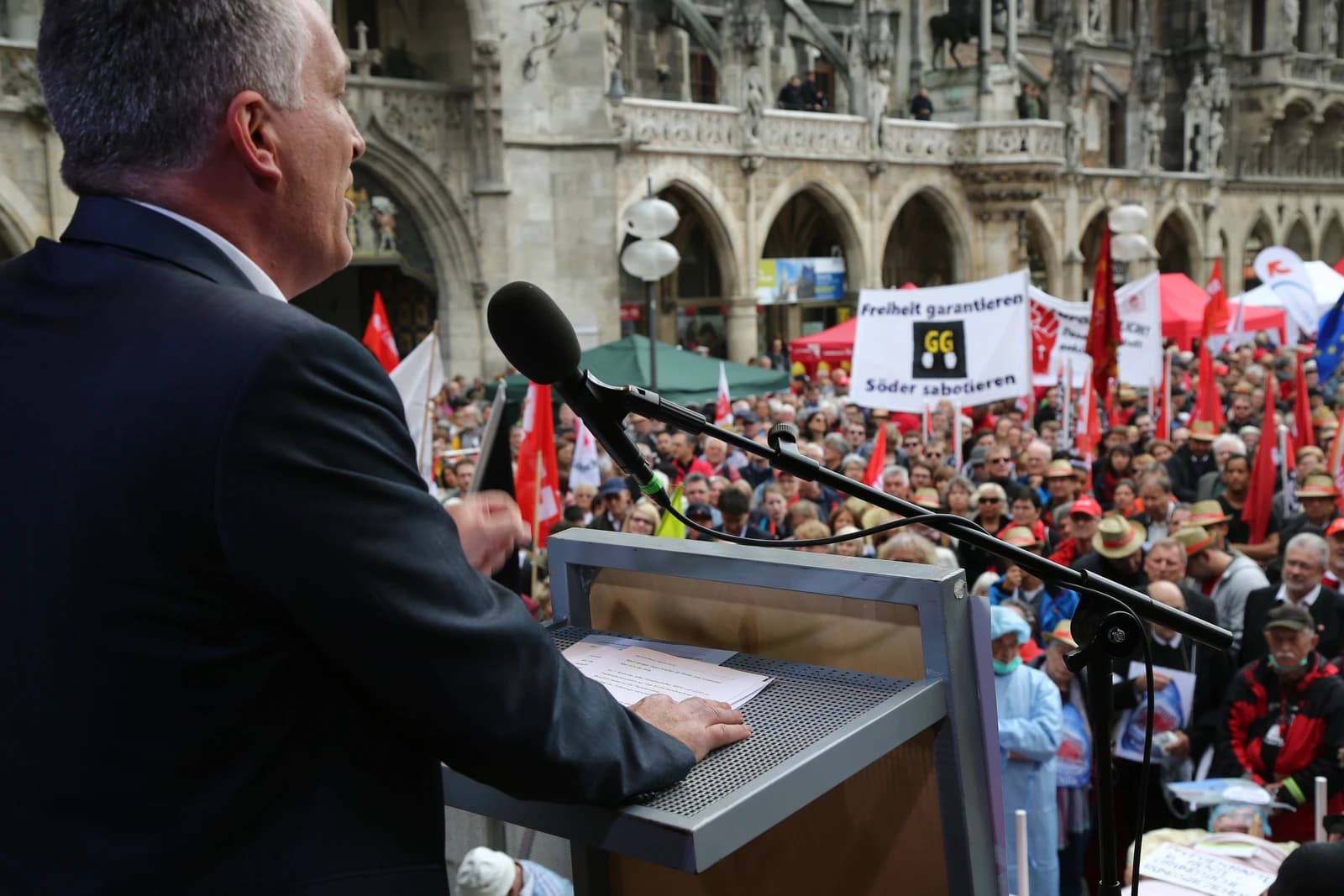
The union’s opening claim is notably more restrained than in recent years — 7% in 2024 and 8% in 2022 — but it still lands at a sensitive moment for an industry under strain from weak orders, lost market share and job cuts, particularly in autos and machine building. The current agreement expires on Oct. 31, and the first bargaining round is scheduled for Oct. 8, leaving a narrow window for compromise before confrontation escalates.
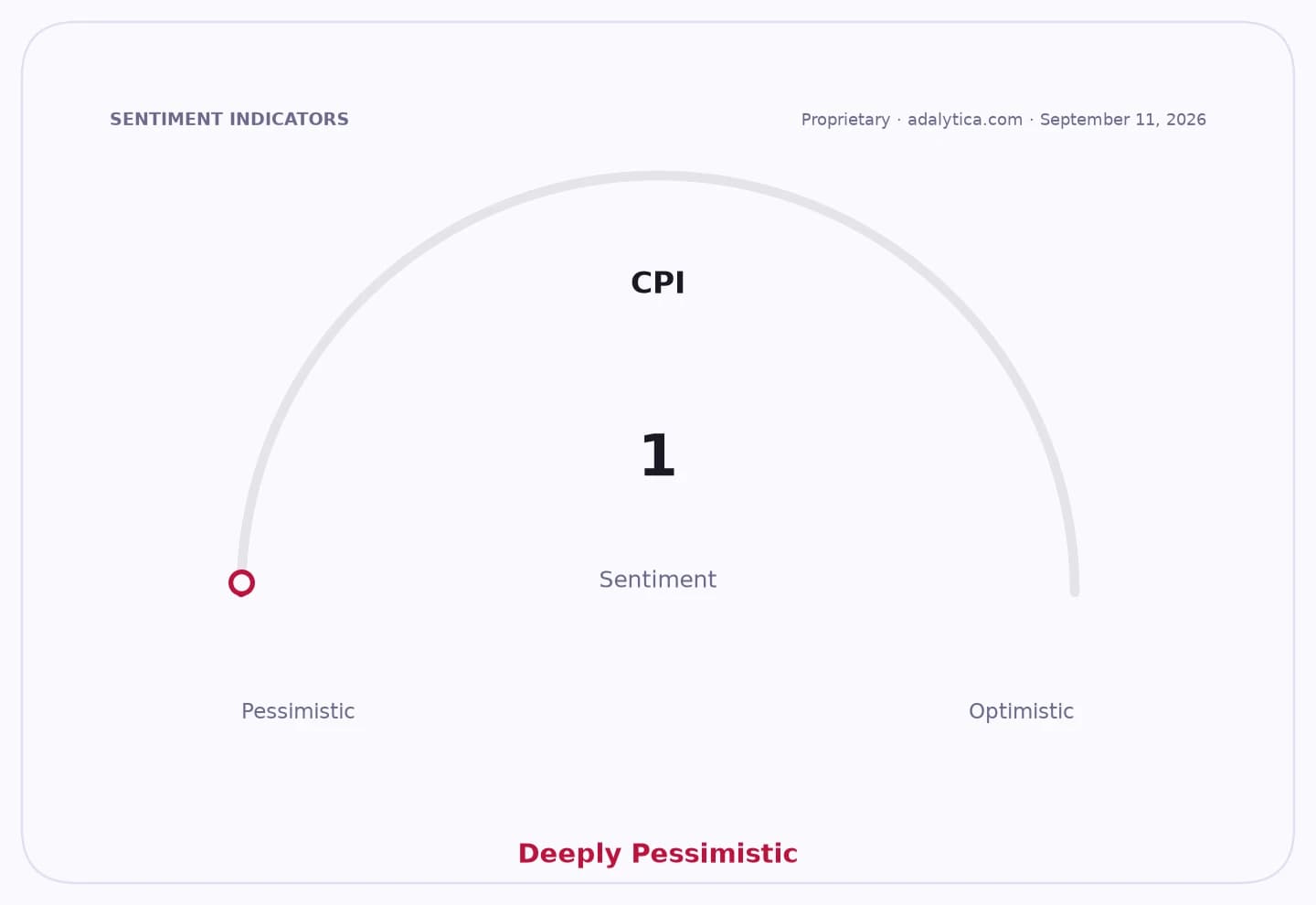
Sentiment IndicatorsⓘProprietary · adalytica.com · September 26, 2026
This is a snapshot — live sentiment, awareness and momentum for 130+ markets update continuously in the dashboard.Open AlphaPulse
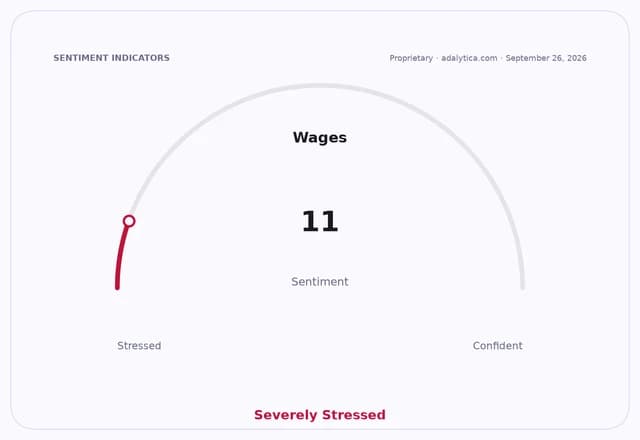
For Germany, the stakes go beyond one regional pay round. Bavaria’s metal and electrical sector employs about 836,000 people and often helps set the tone for national bargaining. If the state becomes the pilot agreement again, the settlement could shape wage growth across one of Europe’s largest industrial workforces and influence cost pressure for exporters already facing soft demand and intensifying Chinese competition.
The union is also trying to split the difference between recession risk and profitability dispersion inside the sector. IG Metall argues that wage restraint would be inappropriate given price pressures still weighing on workers, while also seeking a social component for lower pay bands and a separate profit-sharing mechanism for firms doing well, including aerospace, medical technology and defense.
That matters economically because German labor costs feed directly into competitiveness at a time when manufacturers are already coping with falling volumes and rising restructuring charges. Employers say a 5% increase is excessive and would accelerate job cuts, highlighting the risk that a pay deal designed to protect domestic demand could instead deepen the pressure on margins and investment plans in weaker subsectors.
Investor attention is likely to focus first on automakers, suppliers and machinery groups exposed to Bavaria’s industrial base, where wage settlements can affect operating leverage and cash conversion. A larger-than-expected agreement would reinforce margin risk for cyclical names, while a more moderate compromise could ease immediate cost pressure and support sentiment around German industrial equities and ETFs such as the iShares MSCI Germany ETF, which has been trading below its 50-day moving average and remains close to its longer-term trend line.
The broader narrative is that Germany’s labor market is still tight enough for unions to press claims, but industrial earnings are weak enough that managements are pushing back harder than usual. With the first round due in October, the key question for investors is whether this becomes a contained wage deal suited to a slowing economy, or the start of a wider labor-cost repricing in German manufacturing.
| Entity | Gains | Losses |
|---|---|---|
| IG Metall workers | ▲Higher pay, wage floor protection | ▼If talks drag, strike risk |
| Bayern employers | ▲If demand stays moderate | ▼If 5%+ settlement accepted |
| Auto and machinery firms | ▲If wage deal remains contained | ▼Margin pressure, restructuring costs |
| Defense/aerospace firms | ▲Profit-sharing narrative, labor peace | ▼Higher wage bill if deal broadens |