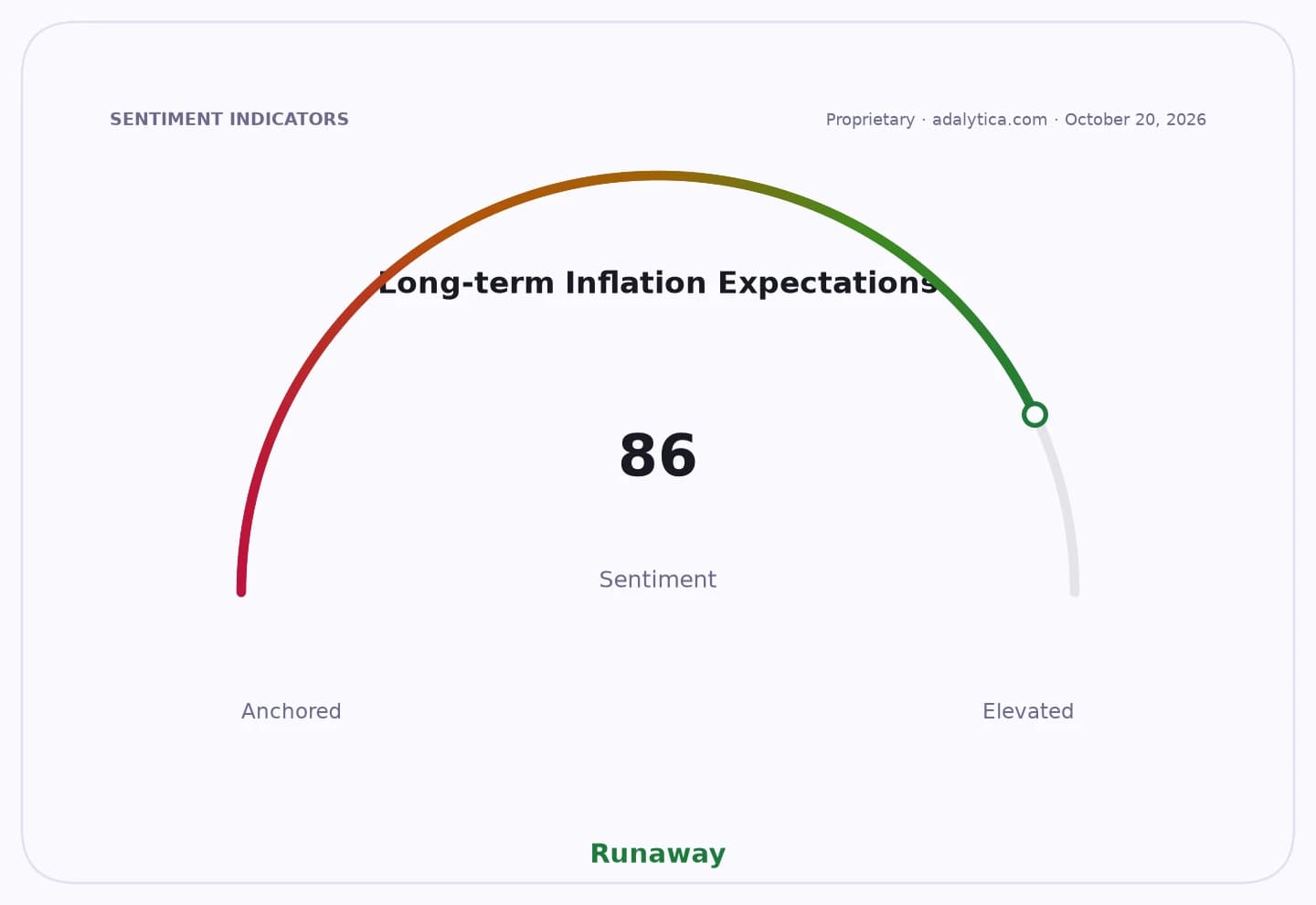
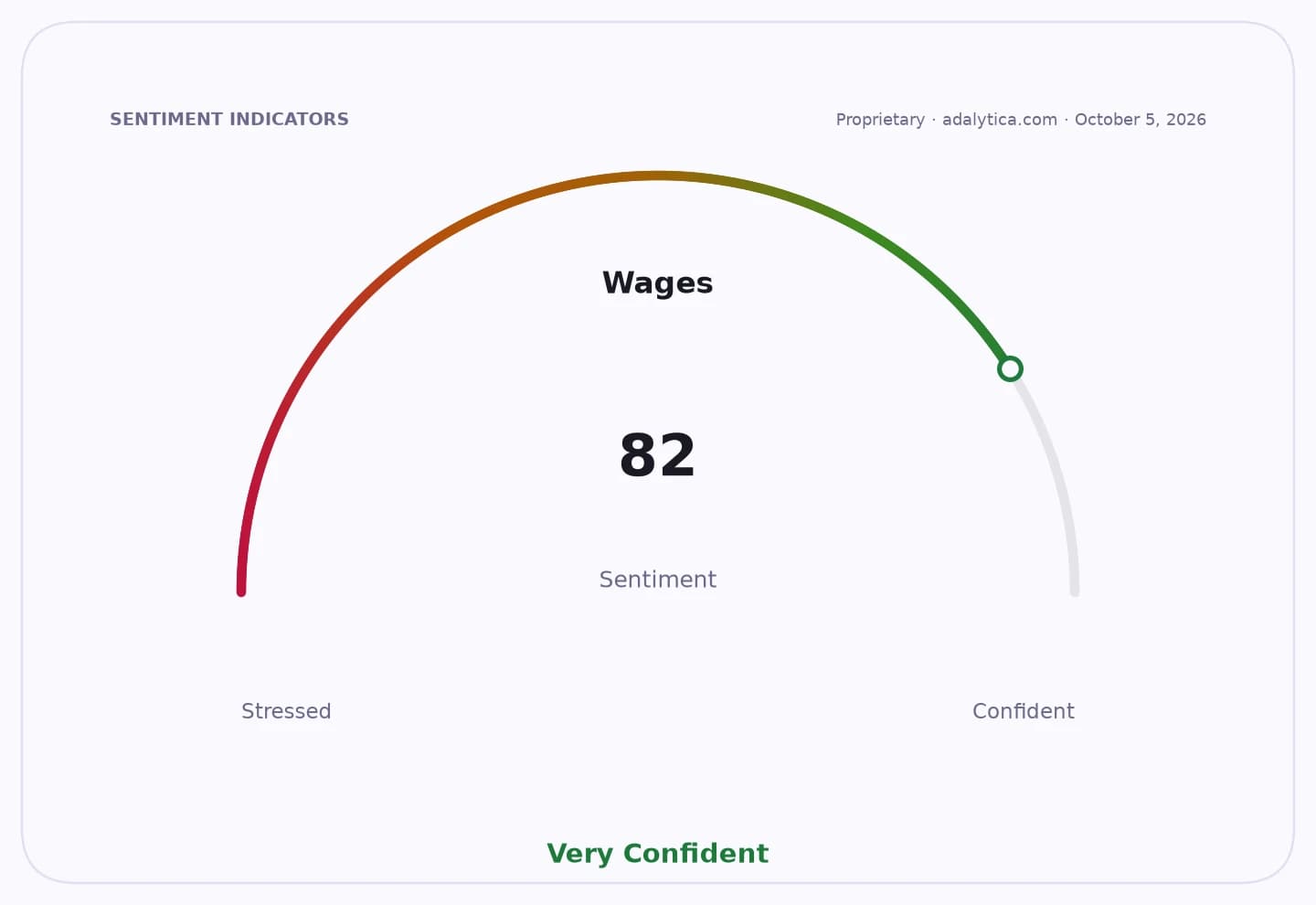
Europe’s governments have spent roughly €20 billion trying to cushion households from the inflation shock, but the bigger problem is that the bill keeps growing while prices remain stubborn enough to keep policy makers on edge.
Europe governments spending on inflation relief
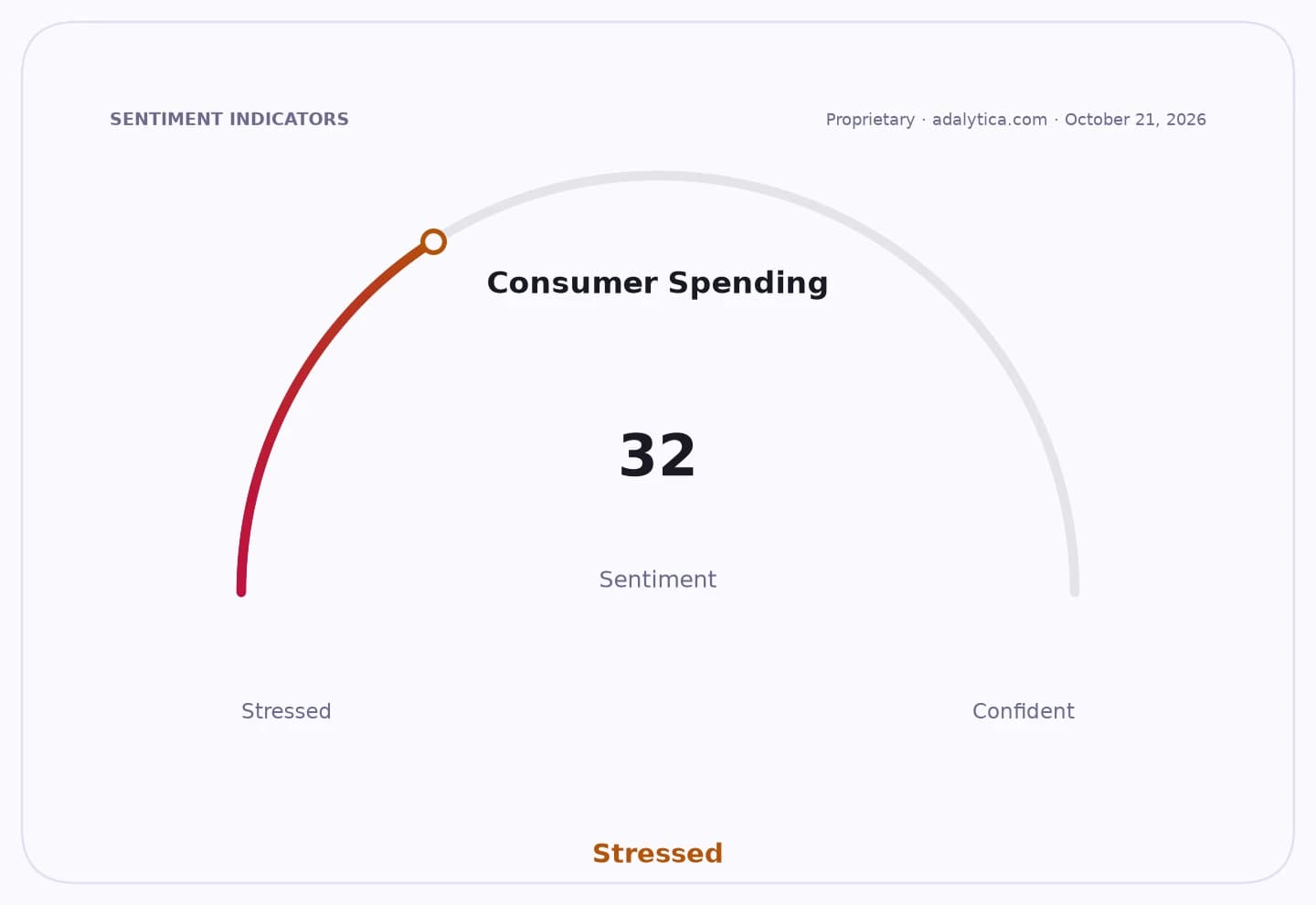
That is the key economic story for investors: when governments extend broad subsidies and tax relief to fight inflation, they may win short-term political relief at the cost of higher deficits, heavier borrowing and, eventually, tighter financial conditions. Europe has already shown how expensive it can be to blunt an energy-driven price surge, and the latest warnings are that support measures could become a debt problem if they are not narrowed to the most vulnerable households.
The market message is straightforward. Inflation that refuses to fade forces central banks to stay restrictive, while fiscal support keeps demand from cooling as much as it should. That combination is awkward for bond markets and, by extension, for equities that depend on lower discount rates or stable consumer demand. If governments keep spending to offset higher living costs, yields can stay elevated, public finances deteriorate and the eurozone’s weakest borrowers become more exposed.
Currency and rate signals point to the same tension. The euro fund proxy FXE has recently traded around $103.59, below its 50-day moving average and just under its 200-day average, with momentum still soft even after a modest rebound. Meanwhile, the long Treasury ETF TLT has recovered to about $80.22, but it remains below its 200-day moving average, underscoring how sensitive fixed-income markets remain to the outlook for inflation and public borrowing. In plain English, investors are still not pricing an easy return to the low-rate world that powered past rallies.
What makes this especially important is that Europe’s response has a built-in flaw. Blanket subsidies can help households in the short run, but they are expensive, blunt and hard to unwind. The longer they last, the more they risk turning an energy and inflation crisis into a sovereign debt issue. That is why the debate has shifted from whether governments should act to how targeted that help should be.
For long-term investors, the lesson is not to chase every headline on inflation. It is to watch which companies can pass along costs, which governments can absorb more debt, and which parts of the market benefit when fiscal support stays generous and inflation stays sticky. That favors quality businesses with pricing power, strong cash flow and balance-sheet discipline.
The next phase will depend on whether Europe can narrow its support without causing a sharper economic slowdown. If it cannot, inflation may cool only slowly, borrowing costs may stay high and the region’s debt dynamics could become the real story. Investors should keep this on the watchlist.
| Entity | Gains | Losses |
|---|---|---|
| Households receiving aid | ▲Short-term cost relief | ▼Less targeted support over time |
| Governments | ▲Political breathing room | ▼Higher deficits and debt |
| Bondholders | ▲Potentially higher yields | ▼Fiscal risk and inflation persistence |
| Europe’s exporters | ▲Weaker euro can help competitiveness | ▼Slower growth if tightening persists |