Inflation’s pickup in the U.S. is reviving a hard question for investors: are policymakers willing to tolerate hotter prices if it helps erode the real burden of record debt?
U.S. Inflation, Treasury Yields, and Debt Service

September consumer prices rose 3.7% from a year earlier, up from 3.4% in August, while the 10-year Treasury yield held around 5.1% and the federal funds rate sat at 3.75%. That mix matters because debt is no longer cheap to service. Interest costs are already running at roughly $3 billion a day in the U.S., and they are growing faster than spending, revenue and the economy itself.
For markets, the stakes are immediate. If inflation stays sticky, the Federal Reserve has less room to cut, longer-dated Treasury yields can stay elevated and every borrower from the U.S. government to heavily indebted companies faces a higher refinancing bill. If policymakers lean the other way and allow inflation to run hot, bondholders take the hit through weaker real returns, but the credibility of the central bank and the dollar comes under pressure.
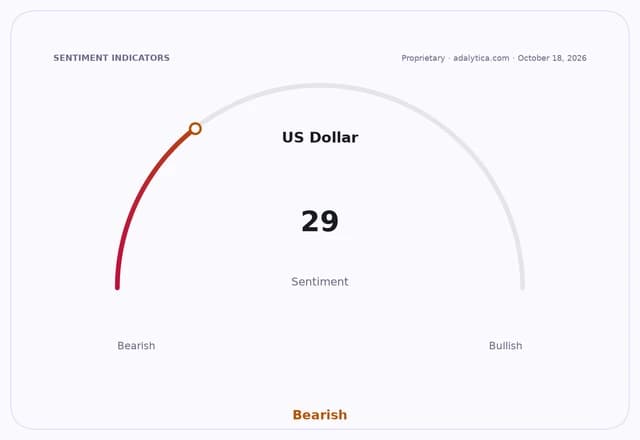
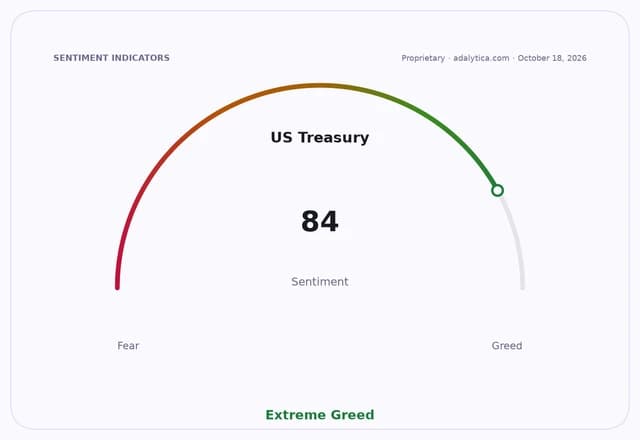
That tension is why Treasury prices and the dollar have become such a live signal. The iShares 20+ Year Treasury Bond ETF, which tracks long-dated U.S. government debt, has recovered to about $80 but remains below its 200-day moving average, showing investors are still demanding a meaningful risk premium to own long-duration bonds. The dollar ETF UUP, meanwhile, has been firm at roughly 28.9, though its latest Adalytica trade snapshot showed “fear” sentiment slipping sharply over the past month, a sign that confidence in dollar strength is not unshakeable.
CPIAUCSL vs DGS10 — macro contextadalytica.com
Explore this data interactively — full history, time series and cross-market comparisons.Open AlphaPulse
The larger story is not just American. Across rich economies, debt loads have climbed to uncomfortable levels, and inflation is one of the few forces that can reduce debt ratios without explicit default or austerity. That is the temptation policymakers face: let nominal growth and prices run a bit hotter, and the debt burden looks easier to manage. But the price is higher borrowing costs, tougher central-bank choices and, eventually, slower growth if inflation expectations become unanchored.
Europe shows the other side of the equation. The eurozone’s centralized monetary policy makes it harder for any one government to inflate away debt, even as countries like France run large fiscal deficits. That protects price stability in theory, but it also creates political strain when borrowing costs rise and fiscal discipline becomes more expensive.
For long-term investors, the lesson is familiar: inflation is not just a macro headline, it is a transfer of wealth. It helps borrowers, punishes cash and fixed-income holders, and complicates valuation for everything from utilities to growth stocks. In a world where debt service is rising faster than income, the safest strategy is not to guess whether officials will choose inflation, but to own businesses and assets with real pricing power, strong balance sheets and the ability to compound through different policy regimes. This is a story worth watching closely, and one that favors patient investors over anyone trying to time the next policy pivot.
| Entity | Gains | Losses |
|---|---|---|
| Governments with high debt | ▲Easier debt burden in real terms | ▼Credibility if inflation persists |
| Bondholders | ▲Higher yields if inflation is contained | ▼Real returns if inflation runs hot |
| Central banks | ▲Room to defend price stability | ▼Pressure to choose between growth and inflation |
| Borrowers with pricing power | ▲Can pass on costs | ▼Those facing refinancing at higher rates |