Higher inflation is emerging as the quickest political answer to America’s ballooning debt burden, but the strategy would exact a clear price from bondholders, consumers and the dollar if it takes hold.
U.S. Inflation, Treasuries, and Dollar Pressure

That is the market read on a policy mix that amounts to tolerating faster price growth as a way to erode the real value of the U.S. government’s roughly $40 trillion debt stack. The arithmetic is straightforward: inflation boosts nominal tax receipts and shrinks the debt burden in real terms, but it also pushes up nominal borrowing costs, squeezes household purchasing power and risks forcing the Federal Reserve to keep policy tighter for longer.
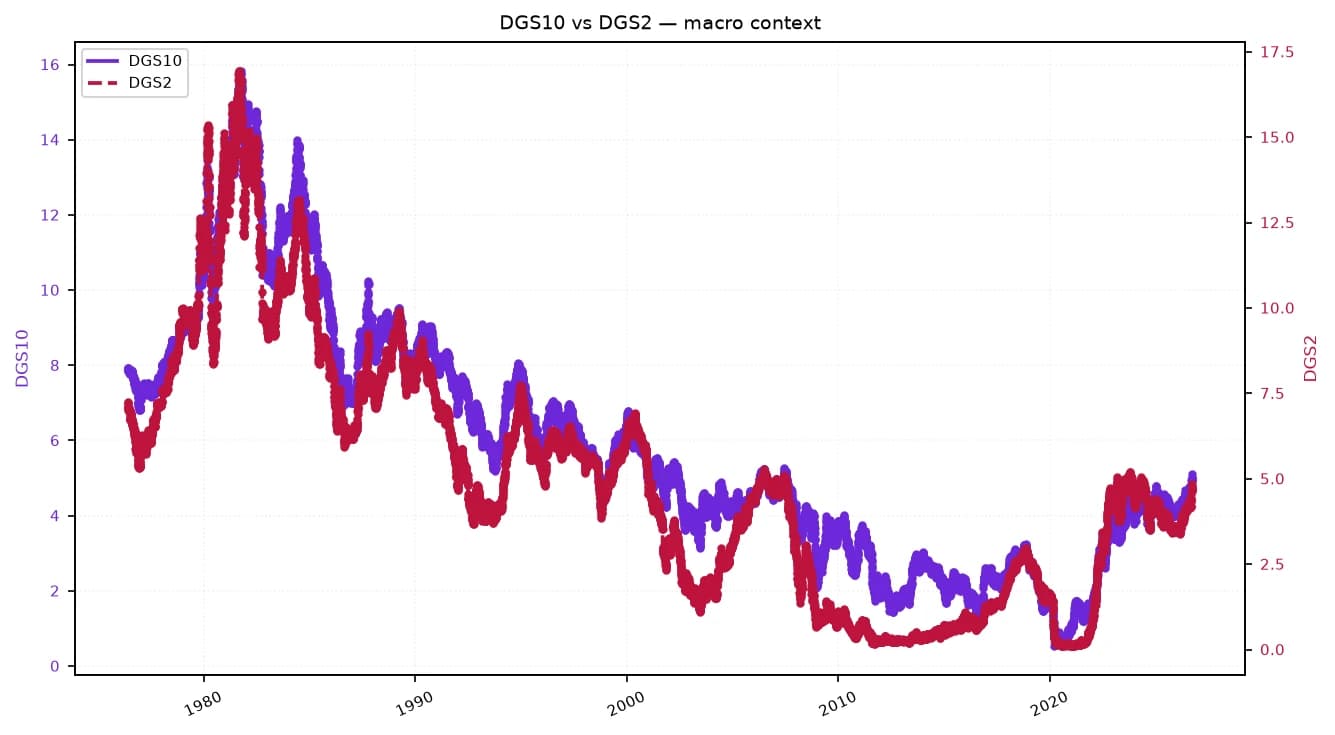
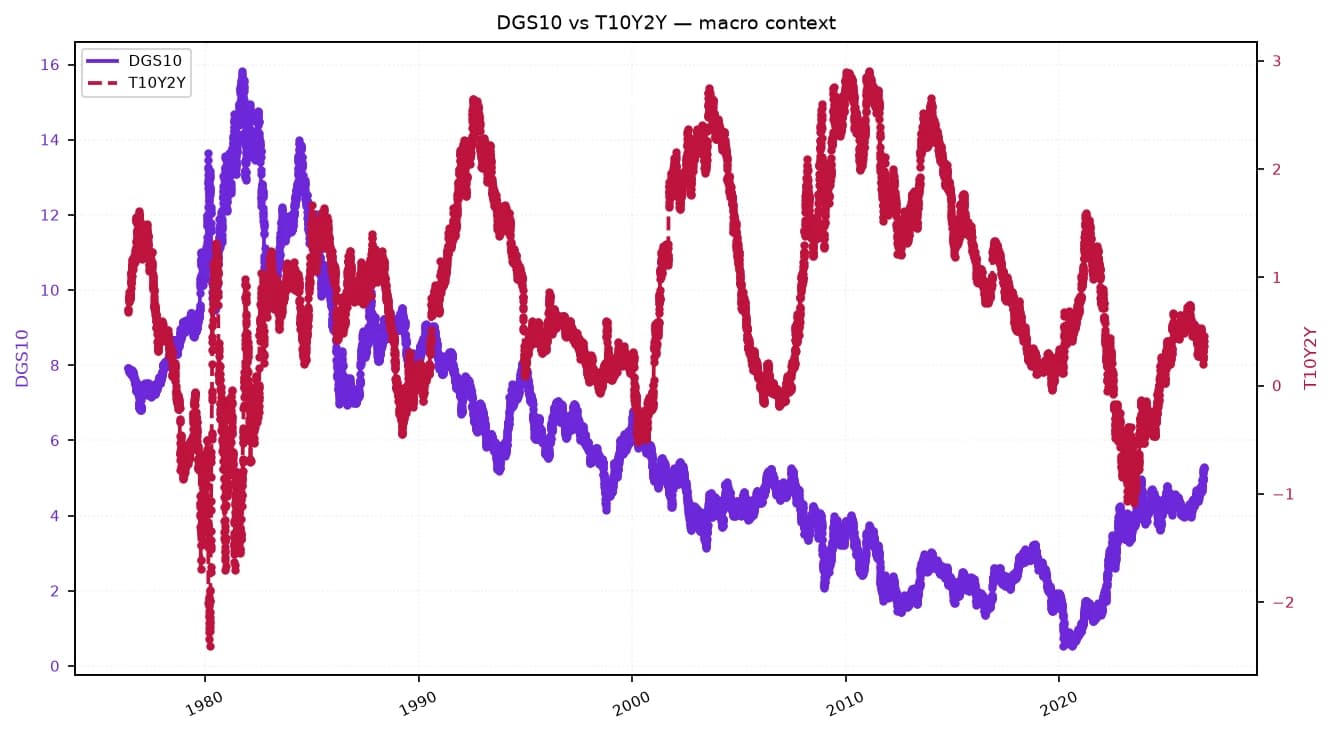
The bond market is already pricing that tension. The 10-year Treasury yield is trading around 5.26%, near its highest levels in decades, while the federal funds rate sits at 3.75% and is expected to edge only slightly lower to about 3.73%. That is not the profile of a market convinced inflation is beaten. It is the profile of investors demanding compensation for fiscal strain, sticky prices and the prospect that Washington may be willing to live with more inflation to ease the debt burden.
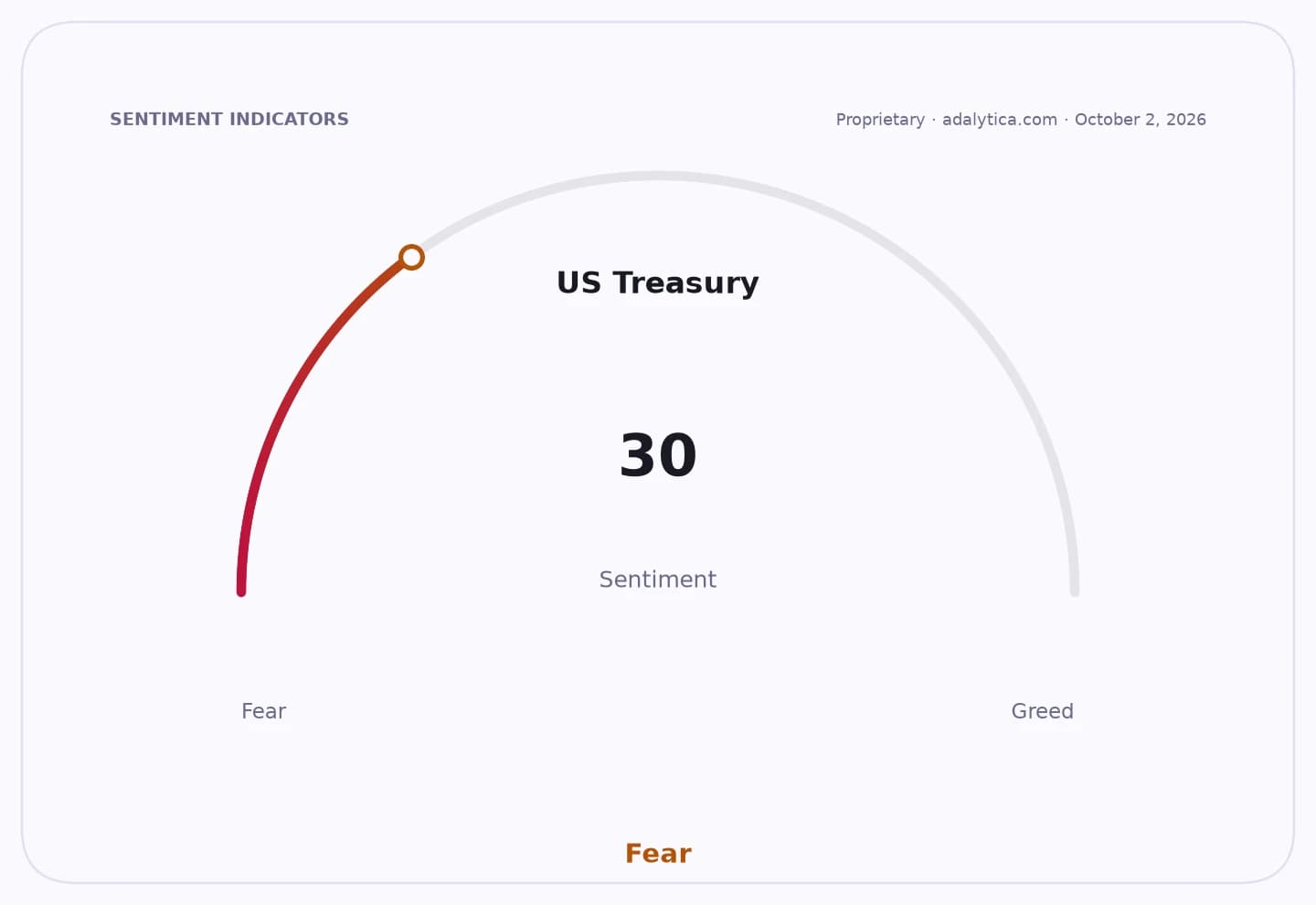
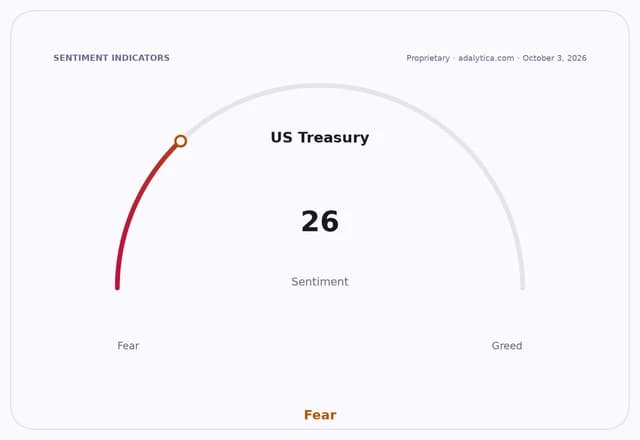
Treasuries have borne the brunt. TLT, the long-duration U.S. bond ETF, has fallen to 77.48 from 85.32 in early November and is now well below both its 50-day moving average and 200-day average. Its RSI reading near 27 suggests the selloff has become technically stretched, but the larger message is that duration remains under pressure. Adalytica’s U.S. Treasury Bonds Trade Signals show “fear” while awareness remains at “extreme greed,” a combination that points to strong attention and weak conviction in a recovery.
CPIAUCSL vs DGS10 — macro contextadalytica.com
Explore this data interactively — full history, time series and cross-market comparisons.Open AlphaPulse
The other side of the trade is inflation-sensitive assets. USO, the oil ETF, is still elevated at 147.37, far above its 200-day average of 115.17, underscoring how energy prices can reinforce the inflation impulse even after a correction from September highs. Equity markets are proving more resilient, with the SPY ETF at 769.64 and still above its 50-day and 200-day moving averages, but that strength masks a narrower policy problem: stocks can absorb some inflation if earnings and nominal sales rise, yet higher discount rates and bond yields eventually hit valuations.
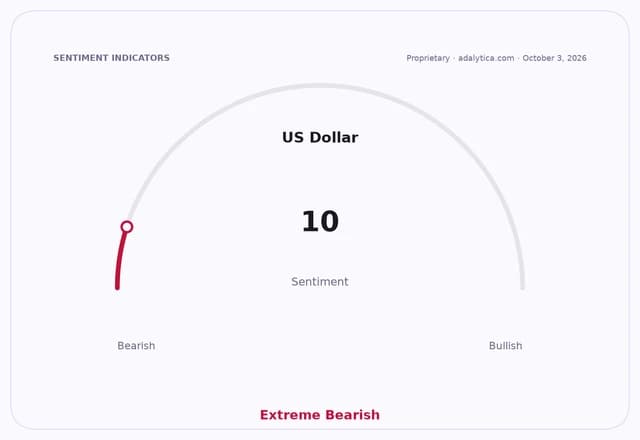
The dollar is flashing the clearest warning. Adalytica’s U.S. Dollar Trade Signals show “extreme fear,” with sentiment at 10 and a 30-day drop of 71 points. That does not by itself prove a structural dollar break, but it is consistent with a market that sees inflation tolerance as a stealth tax on savers and a potential drag on the currency.
The macro backdrop helps explain why this story matters beyond Washington. U.S. consumer prices, as measured by CPI, are far above pre-pandemic levels, and while month-to-month inflation has cooled from the peaks, the broader price level remains elevated. Once inflation becomes a deliberate fiscal tool rather than just an economic byproduct, the distributional effects intensify: debtors gain, fixed-income investors lose, and households without pricing power see real incomes eroded.
There is also a policy trap. If inflation is allowed to run hot enough to ease debt math, the Fed may be forced to keep the policy rate restrictive or even tighten further to defend credibility. That would lift debt-service costs rather than solve them, especially with Treasury issuance already large and refinancing needs heavy. In that sense, inflation is not a free lunch for the sovereign — it is a transfer from creditors to the government that can rebound into higher yields if investors believe the game has changed.
For investors, the key question is not whether inflation can temporarily reduce the real value of debt. It can. The question is whether markets will permit it without demanding a higher term premium, a weaker dollar and a steeper curve. If they do not, the strategy becomes self-defeating: nominal GDP may rise, but so will the cost of rolling the debt.
The next test will be whether inflation expectations, Treasury auctions and the dollar continue to move in the same direction. If they do, the market will be signaling that rebalancing the debt through inflation is less a solution than a transfer of risk from the government to everyone else.
| Entity | Gains | Losses |
|---|---|---|
| U.S. Treasury | ▲real debt burden eases | ▼higher financing costs |
| Bondholders | ▲none | ▼real returns erode |
| Inflation hedgers | ▲nominal asset upside | ▼cash and fixed income |
| Consumers | ▲none | ▼purchasing power loss |