Euro area inflation climbed to 3.8% in September, the highest in three years, reinforcing the case for the European Central Bank to stay cautious just as Sweden’s price pressure remained unusually subdued at 1%.
Euro area inflation rises to 3.8% in September
That divergence matters because inflation is once again becoming the key driver of borrowing costs, bond yields and currency moves across Europe. When prices accelerate in the euro area, markets start to question how long rates can stay where they are, and that ripples through mortgages, corporate financing and equity valuations. Sweden, by contrast, is still in a far more comfortable position for households and the Riksbank, even though its own inflation gauges are moving higher.
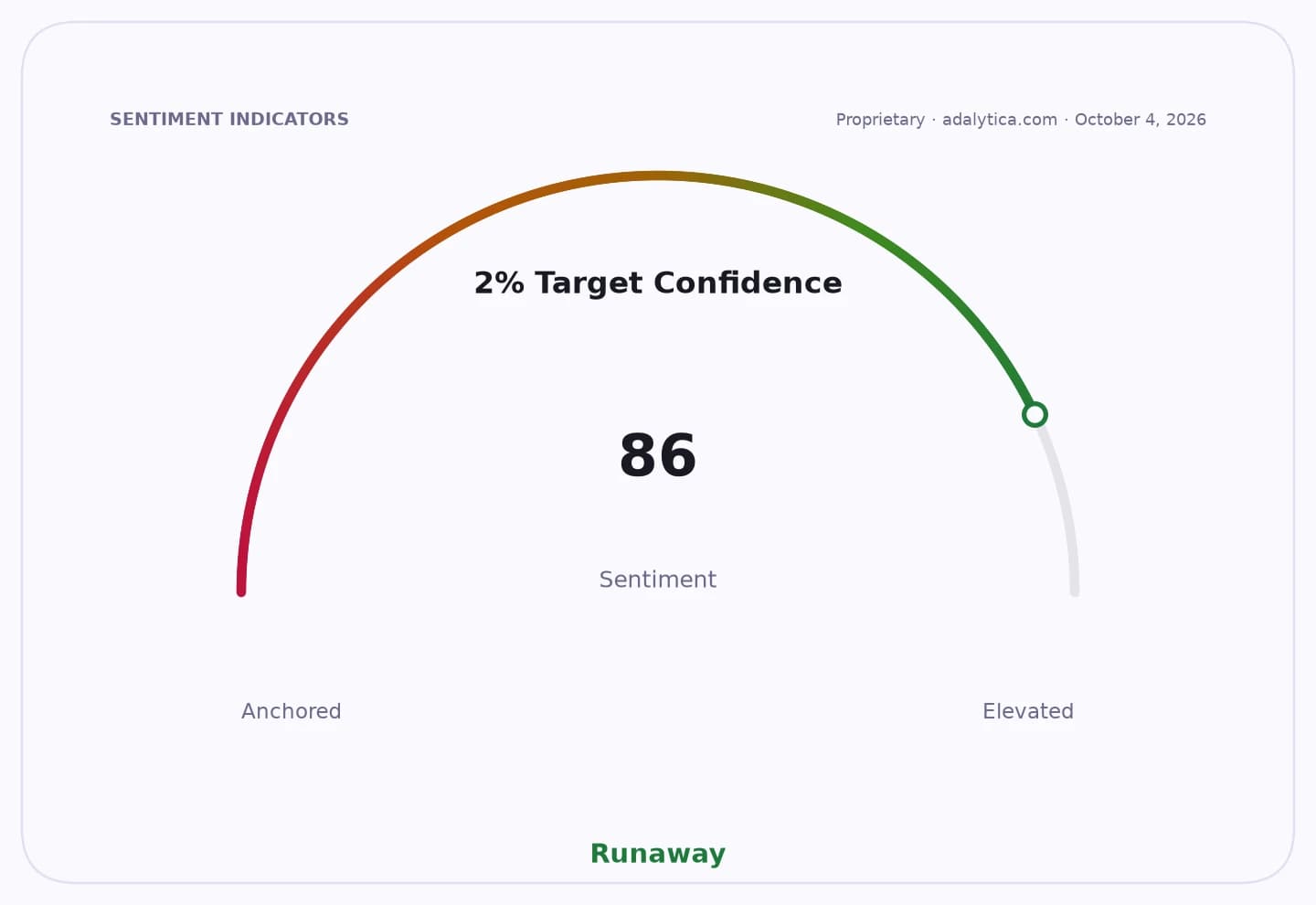
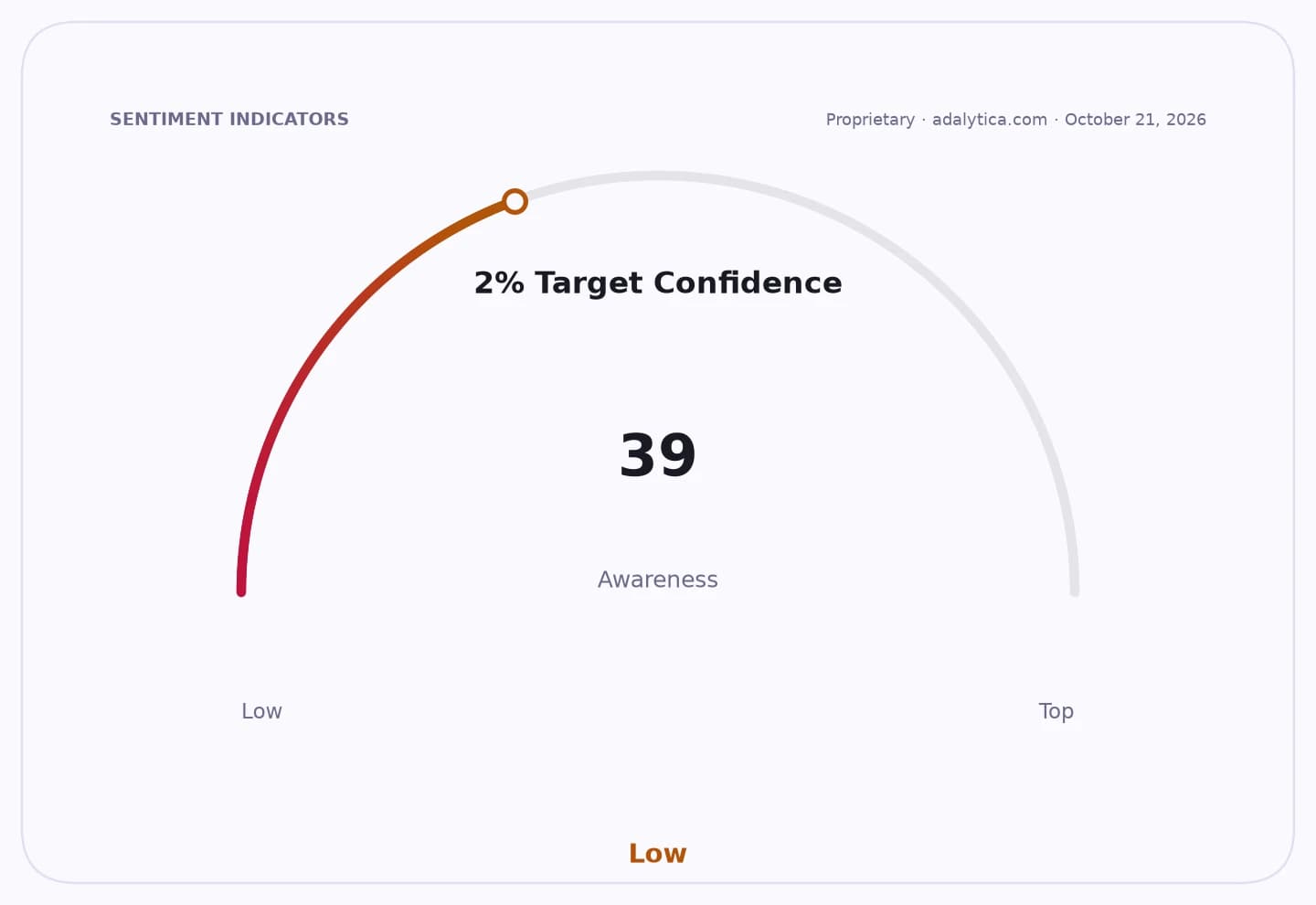
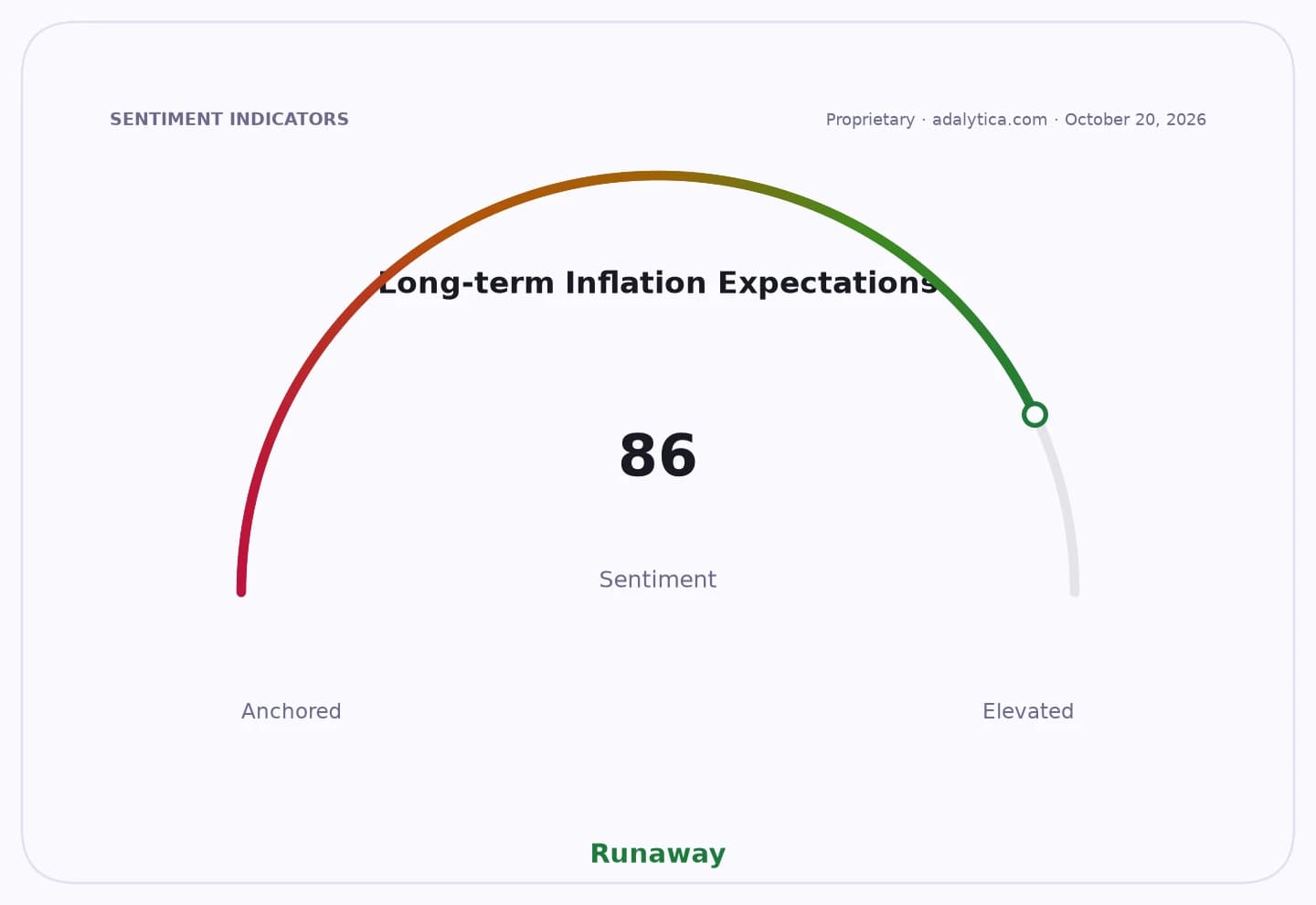
Sentiment IndicatorsⓘProprietary · adalytica.com · October 20, 2026
This is a snapshot — live sentiment, awareness and momentum for 130+ markets update continuously in the dashboard.Open AlphaPulse
Energy was the biggest force behind the euro area’s price increase, followed by services. In the broader EU, inflation also rose to 3.8% from 3.2% in August, with 23 member states recording faster annual price growth. Romania remained the outlier at 6.5%, while Lithuania and Bulgaria were also near the top of the league table.
For investors, the message is straightforward: inflation is no longer fading evenly across Europe. That raises the odds of tighter-for-longer policy from the ECB and keeps pressure on rate-sensitive assets, especially in countries where inflation is still running hot. Higher yields tend to weigh on growth stocks, real estate and highly leveraged companies, while banks and insurers can benefit from a steeper rate environment if credit quality holds up.
Sweden’s picture is different, but not immune. Headline inflation as measured by the EU’s harmonized index rose from 0.3% in August to 1% in September, while the consumer-price measure the Riksbank targets increased from 0.7% to 1.5%. El prices jumped 11.7% from August and fuel costs rose 13.3%, even as cheaper food, dental care and local transport helped offset some of the pressure. Strip out energy and Swedish KPIF inflation was just 0.5%.
That still leaves Sweden with the EU’s lowest inflation rate, which is good news for consumers and a relative positive for domestic demand. But the direction of travel matters more than the starting point. The Riksbank held its policy rate at 1.75% in September, yet said rates may need to rise ahead if the inflation and economic outlook hold. For homeowners, that keeps the prospect of higher mortgage costs on the table.
The long-term story here is simple: inflation is proving sticky in Europe just as markets had hoped for a clean disinflation trend. That is why the euro area number matters, and why Sweden’s lower reading stands out. Investors should treat the divergence as a reminder that central banks will not move in lockstep, and that the best opportunities in Europe may come from countries and sectors where price pressures stay contained. Worth watching for anyone with exposure to European rates, bank shares or mortgage-sensitive consumers.
| Entity | Gains | Losses |
|---|---|---|
| ECB | ▲policy cover to stay hawkish | ▼rate-cut hopes |
| Euro-area banks | ▲wider margin potential | ▼borrowers and rate-sensitive sectors |
| Swedish households | ▲lower inflation burden | ▼fuel and utility budgets |
| Swedish mortgage holders | ▲still-low headline inflation | ▼higher borrowing costs if the Riksbank tightens |