Portugal’s inflation cooled to 3% in July, a modest but important step down that suggests the country is still moving in the right direction even as underlying price pressures remain sticky.
Portugal inflation cools to 3% in July
That matters because inflation is the backdrop for everything investors care about: consumer spending, wage growth, interest rates and the earnings outlook for businesses exposed to Portugal’s domestic economy. A slower pace of price increases gives households a little more breathing room, but it also keeps pressure on the European Central Bank to stay cautious about cutting rates too quickly.
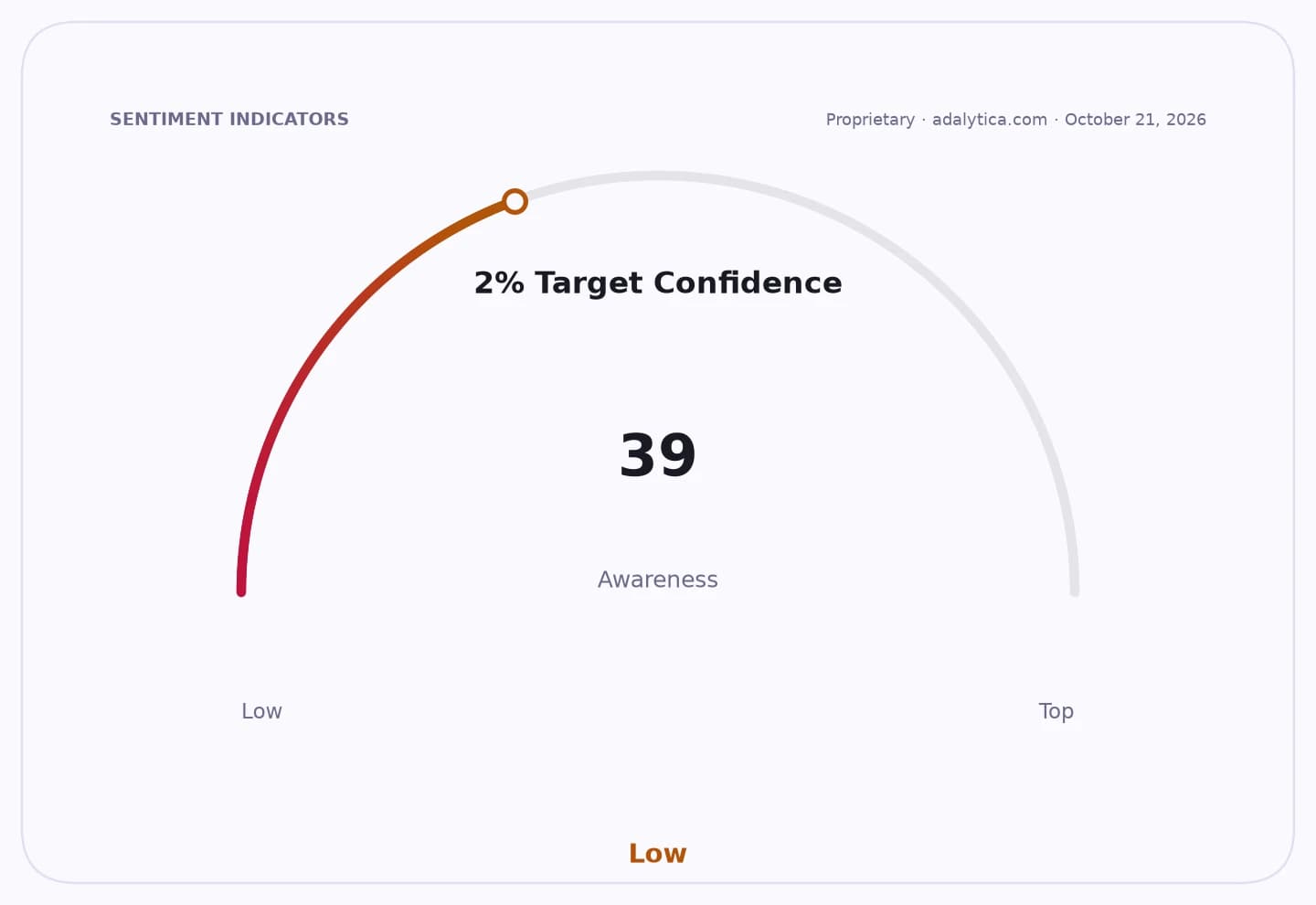
Sentiment IndicatorsⓘProprietary · adalytica.com · October 21, 2026
This is a snapshot — live sentiment, awareness and momentum for 130+ markets update continuously in the dashboard.Open AlphaPulse
The National Statistics Institute said the annual inflation rate fell 0.2 percentage point from June, helped mainly by transport, restaurants, lodging and food prices. Energy inflation also eased, slipping to 8.7% from 9.1%, while unprocessed food inflation dropped sharply to 3.7% from 5.1%. That helped offset a small rise in core inflation, which strips out food and energy and is the cleaner gauge of persistent price trends.
Month to month, consumer prices fell 0.5% in July after a 0.1% increase in June, with clothing and footwear prices down as the summer sales period kicked in. On average over the past 12 months, inflation held at 2.6%, showing that the broader trend is still far from the double-digit shocks Europe faced in the recent past.
For investors, the key number is the harmonised inflation rate, which stood at 3.1% and came in 0.2 percentage point above the euro area estimate. That means Portugal is still running hotter than the bloc as a whole, so the central bank is unlikely to treat this as a signal to loosen policy aggressively. Rates that stay higher for longer tend to favor savers and banks, but they can weigh on borrowing, real estate and consumer-facing stocks.
The long-term takeaway is that Portugal’s inflation story is improving, not solved. If price growth keeps easing without a fresh jump in core inflation, that would support household purchasing power and help sustain the economy’s recovery. For investors, that makes Portugal a market worth watching rather than chasing — especially for businesses with pricing power and balance sheets strong enough to handle a still-normalizing inflation environment.
| Entity | Gains | Losses |
|---|---|---|
| Portuguese households | ▲Slightly stronger purchasing power | ▼Persistent higher living costs |
| Banks | ▲Higher-for-longer rates can support margins | ▼Slower loan demand |
| Consumer-facing businesses | ▲Stable demand if inflation keeps easing | ▼Margin pressure from sticky core prices |
| ECB / euro area policymakers | ▲Better evidence inflation is cooling | ▼Less room to cut rates quickly |