Lithuania’s inflation accelerated to 6.1% in September, making it the second-highest reading in the European Union and underscoring how price pressures remain sticky even as inflation across the bloc holds at a much lower 3.8%.
Lithuania inflation rises to 6.1% in September
The gap matters because Lithuania is moving out of line not just with the euro area average, but also with neighboring Baltic peers. Latvia posted annual inflation of 3% and Estonia 3.1%, while Romania was the only EU economy with a faster pace at 6.5%. On a monthly basis, Lithuanian consumer prices rose 0.9% in September, compared with 0.6% across the EU and euro zone.
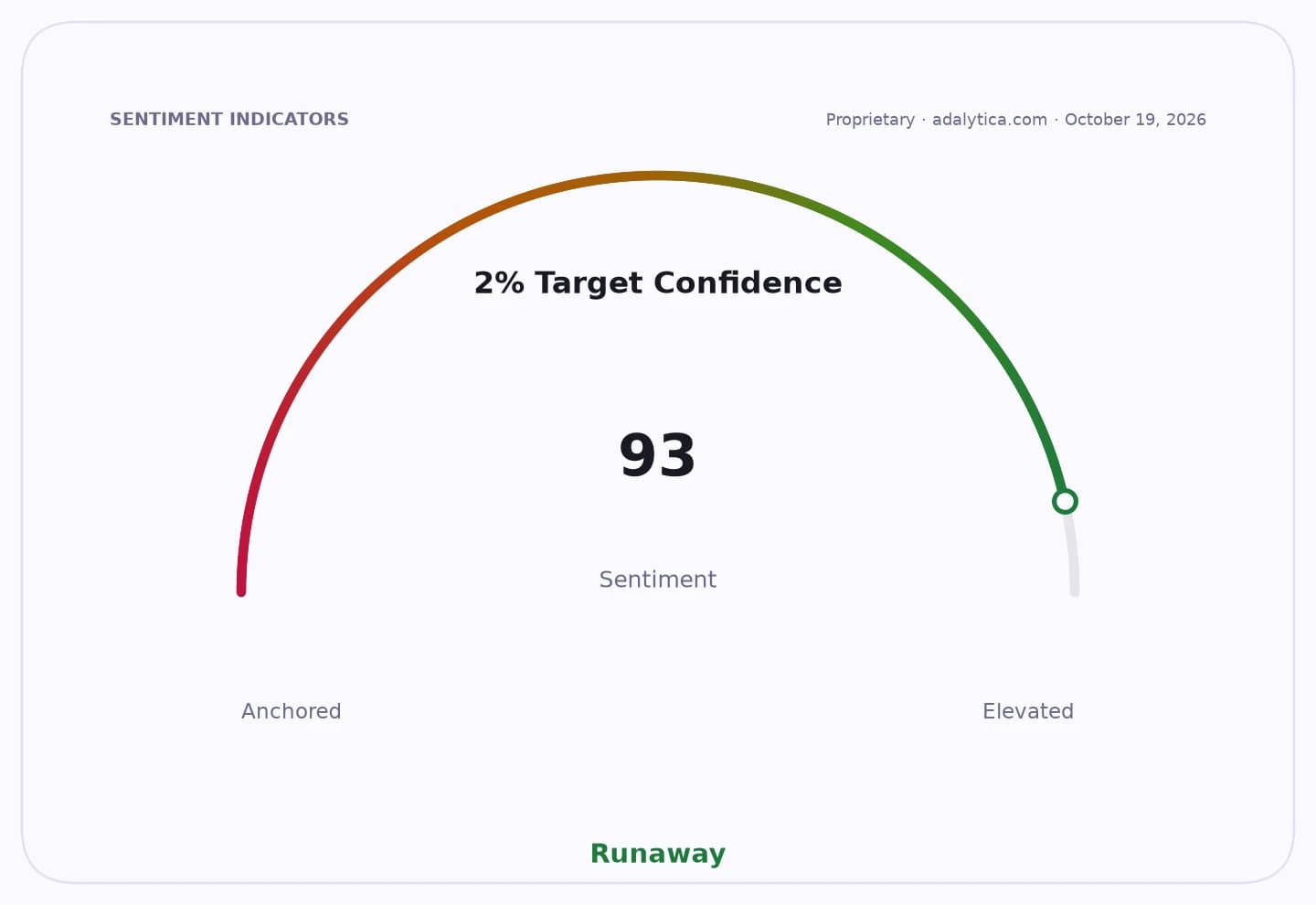
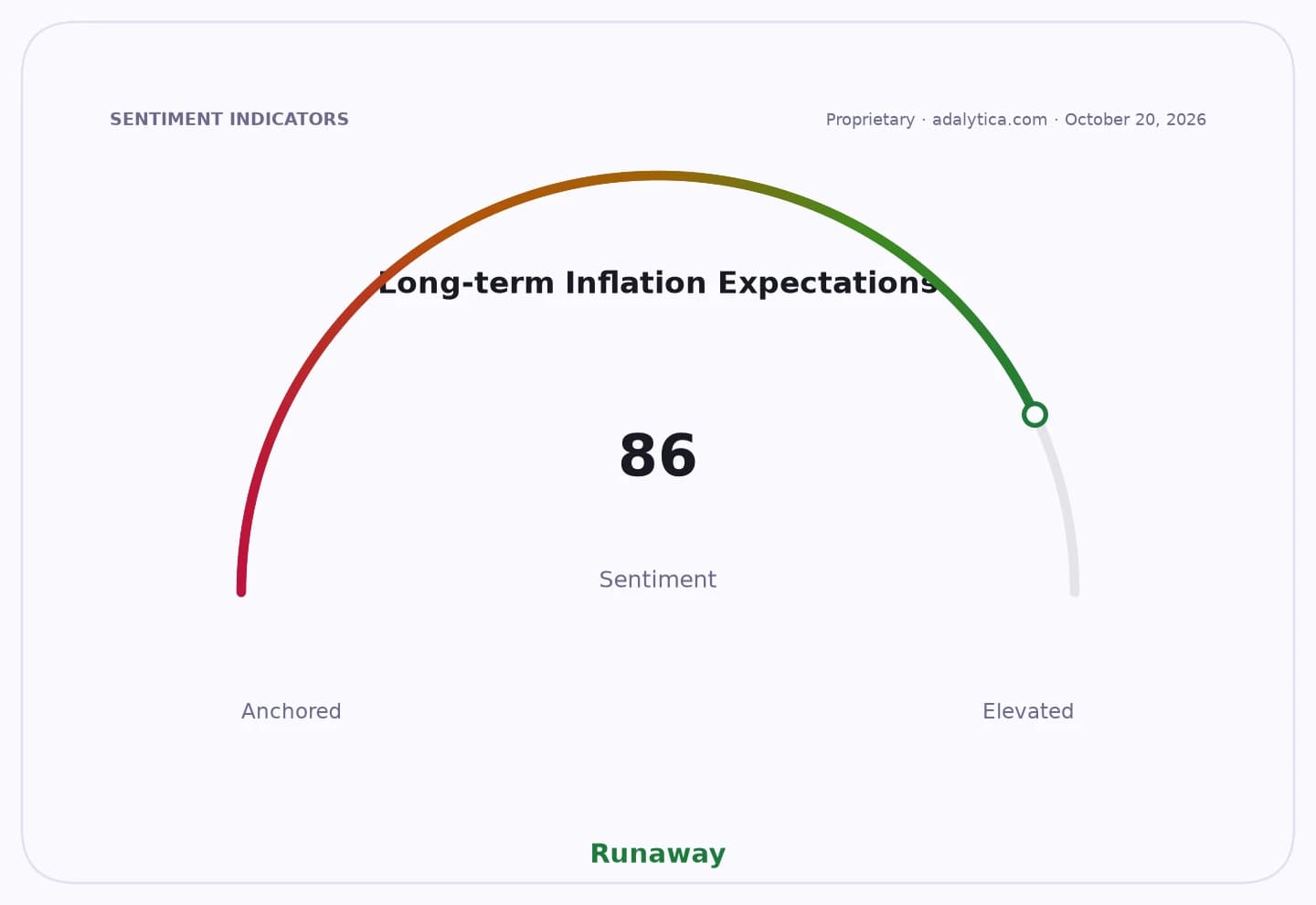
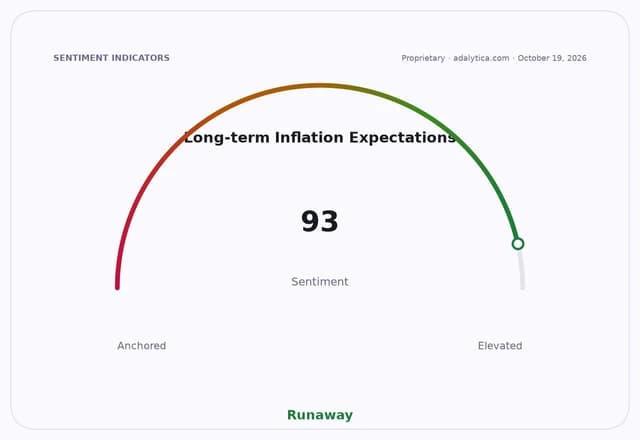
Sentiment IndicatorsⓘProprietary · adalytica.com · October 19, 2026
This is a snapshot — live sentiment, awareness and momentum for 130+ markets update continuously in the dashboard.Open AlphaPulse
For policymakers, the reading suggests domestic inflation is still being driven by forces that have not yet fully cooled, whether from energy costs, services pricing or broader second-round effects. For the European Central Bank, which is trying to bring inflation back to target without choking growth, persistent pockets of elevated inflation in smaller euro-area economies reinforce the case for keeping policy restrictive for longer.
The market relevance is less about Lithuania alone than about what it says regarding the durability of inflation in Europe’s periphery. Investors have spent much of the past year focusing on disinflation and the prospect of easier monetary policy, but readings near 6% in a euro-area member show that the path back to target remains uneven. That is especially important for rate-sensitive assets, where expectations of quicker easing have repeatedly been challenged by still-firm price data.
The Baltic comparison also matters. Lithuania’s faster inflation than Latvia and Estonia points to a country-specific price dynamic rather than a uniform regional shock, which makes the data more relevant for domestic wage negotiations, consumer spending and real-income growth. If inflation stays above the euro-area average, it can erode purchasing power and keep pressure on the Bank of Lithuania’s policy stance through the ECB framework.
The next test will be whether September marks a temporary spike or the start of a more persistent upswing. If energy and services costs remain elevated into the final quarter, investors may need to price in a slower decline in European inflation and a more cautious central-bank response than markets have recently assumed.
| Entity | Gains | Losses |
|---|---|---|
| Lithuanian borrowers | ▲None | ▼Higher real financing costs |
| Lithuanian consumers | ▲None | ▼Purchasing power |
| ECB hawks | ▲Tighter-for-longer case | ▼None |
| Rate-sensitive assets | ▲None | ▼Easier-policy bets |