Lithuania’s annual inflation accelerated in September to 6.3%, the second-highest rate in the European Union and a sign that price pressures in the Baltics are proving stickier than in much of the bloc.
Lithuania Inflation Rises to 6.3% in September
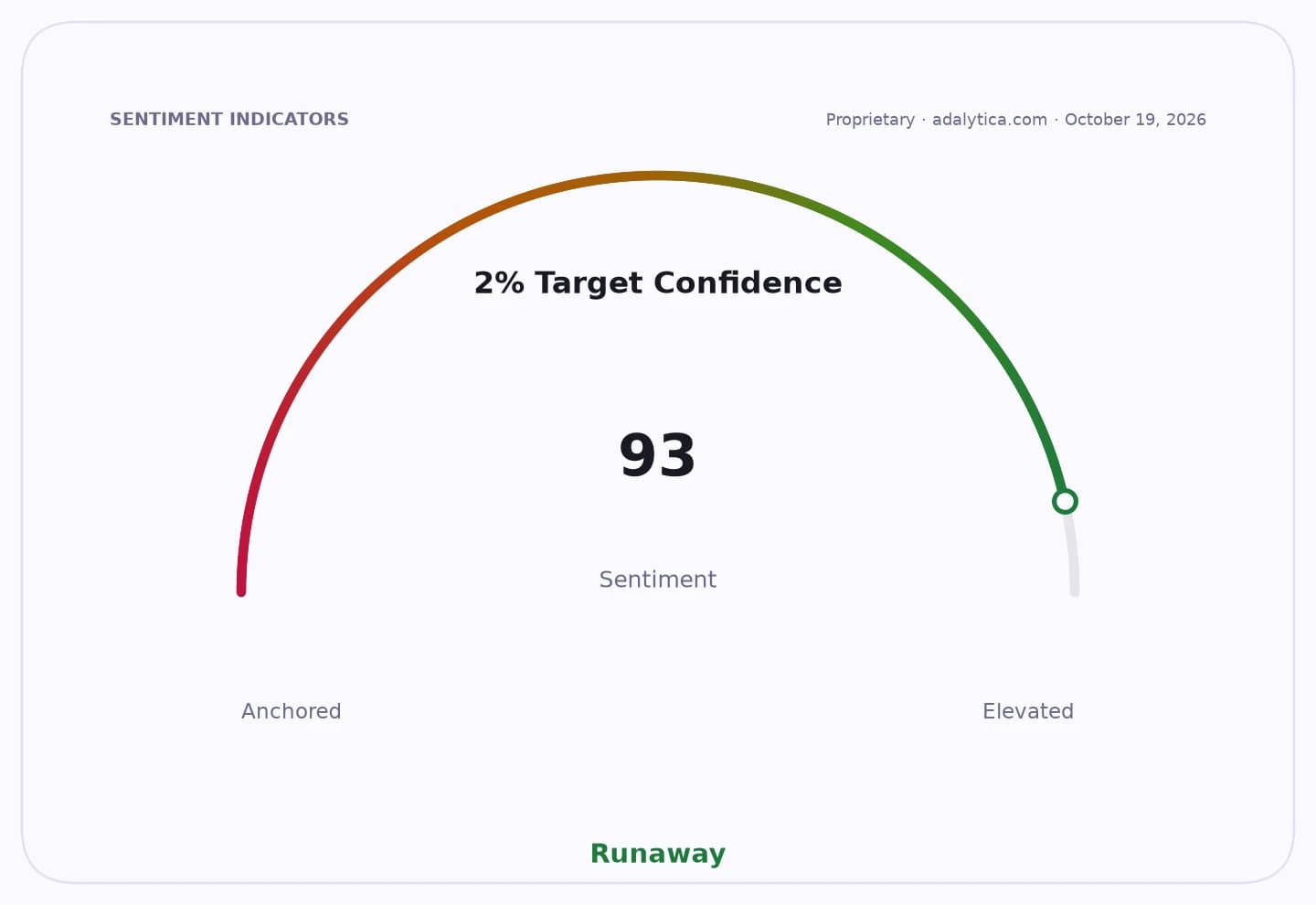
The reading matters because it keeps Lithuania well above the euro-area average of 3.8% and raises the odds that inflation will remain a policy and wage-setting concern even as growth across Europe softens. For households, a 6.3% annual pace still means purchasing power is being eroded faster than in neighboring Latvia and Estonia, where inflation was 3.0% and 3.1% respectively.
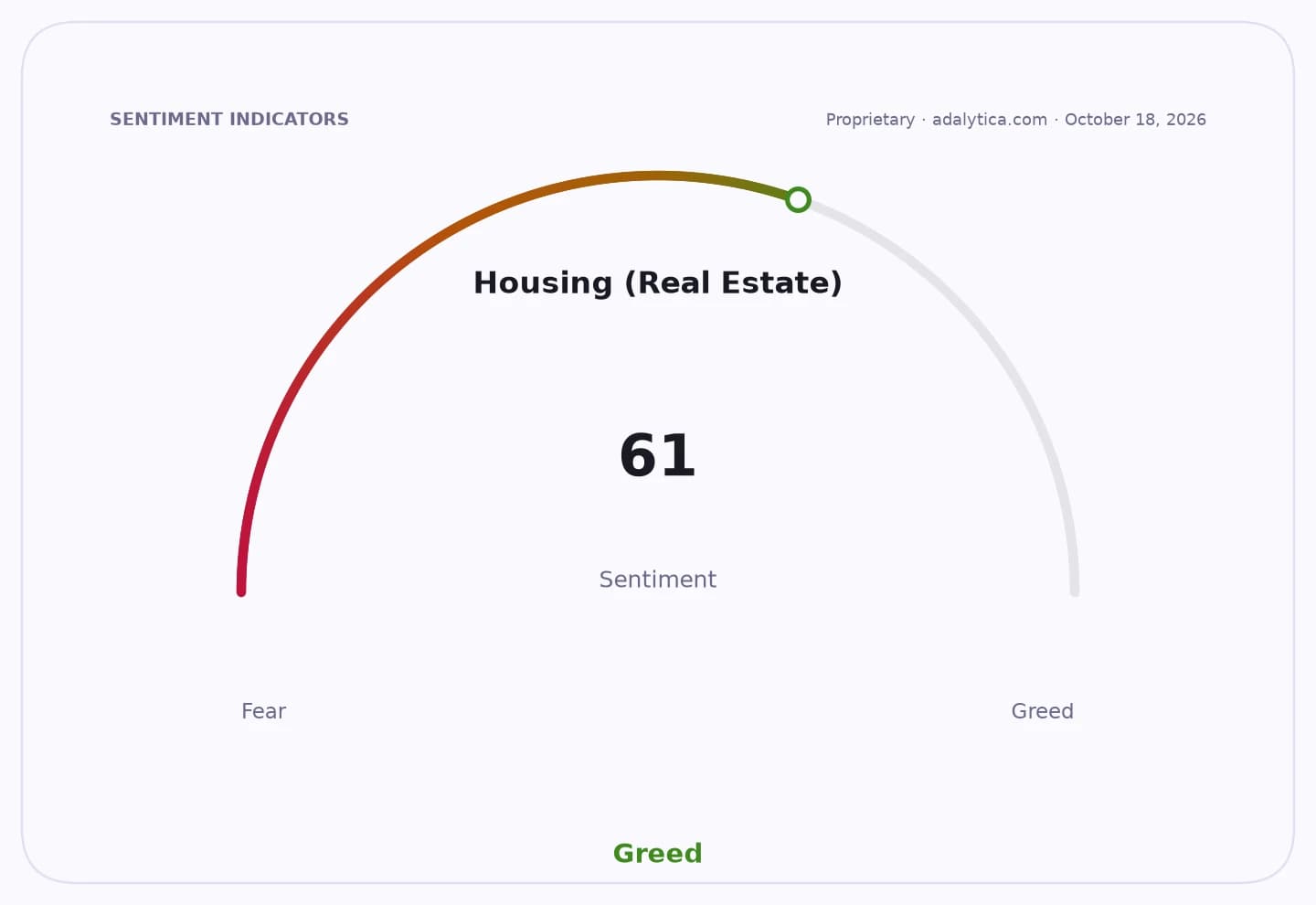
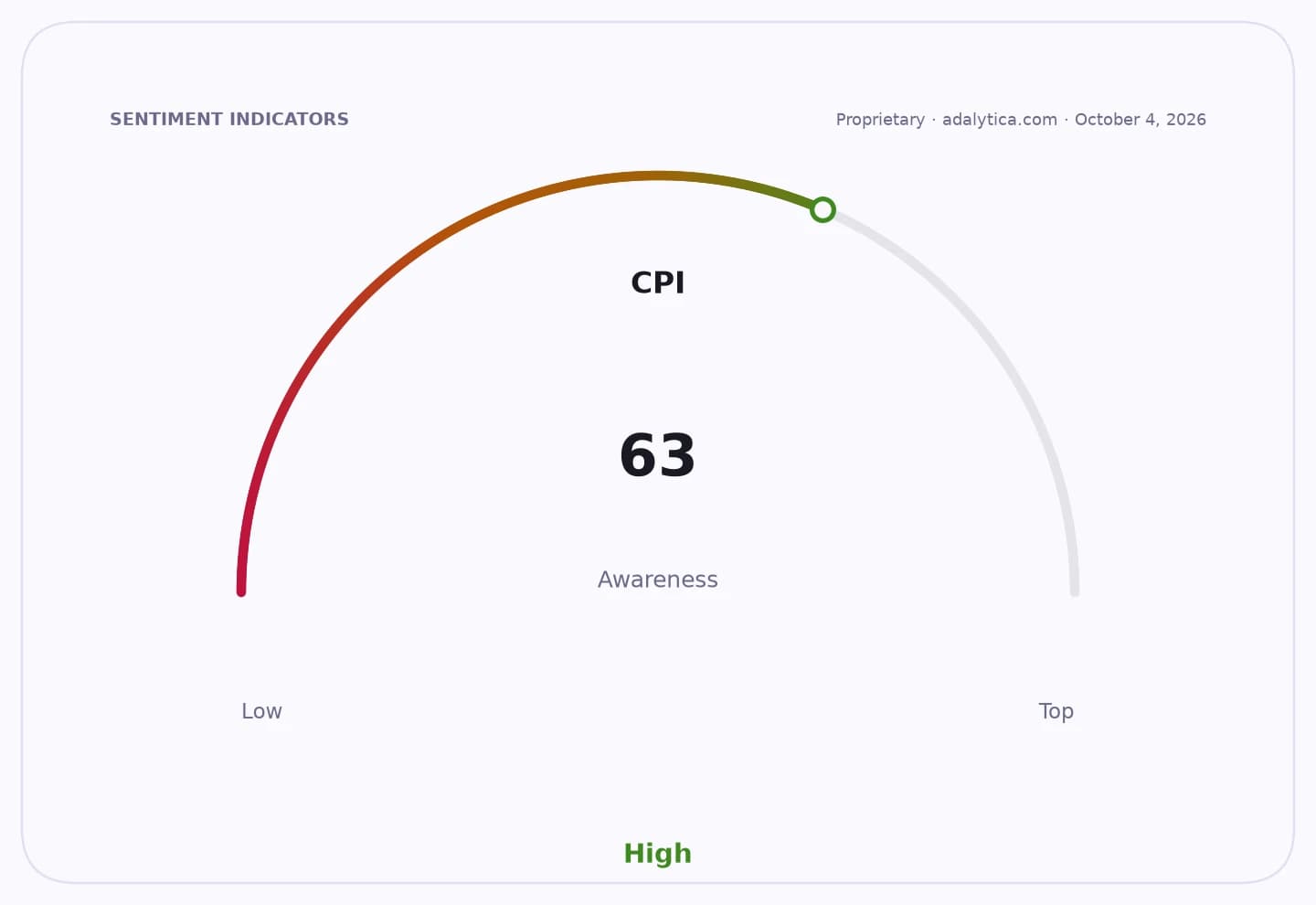
Sentiment IndicatorsⓘProprietary · adalytica.com · October 19, 2026
This is a snapshot — live sentiment, awareness and momentum for 130+ markets update continuously in the dashboard.Open AlphaPulse
Only Romania posted a faster increase, at 6.5%, underscoring how Lithuania has become one of the euro zone’s hotter inflation outliers. Month on month, consumer prices in Lithuania rose 0.9% in September versus 0.6% across both the EU and the euro area, suggesting the pressure is not just a base effect but is still building in the current quarter.
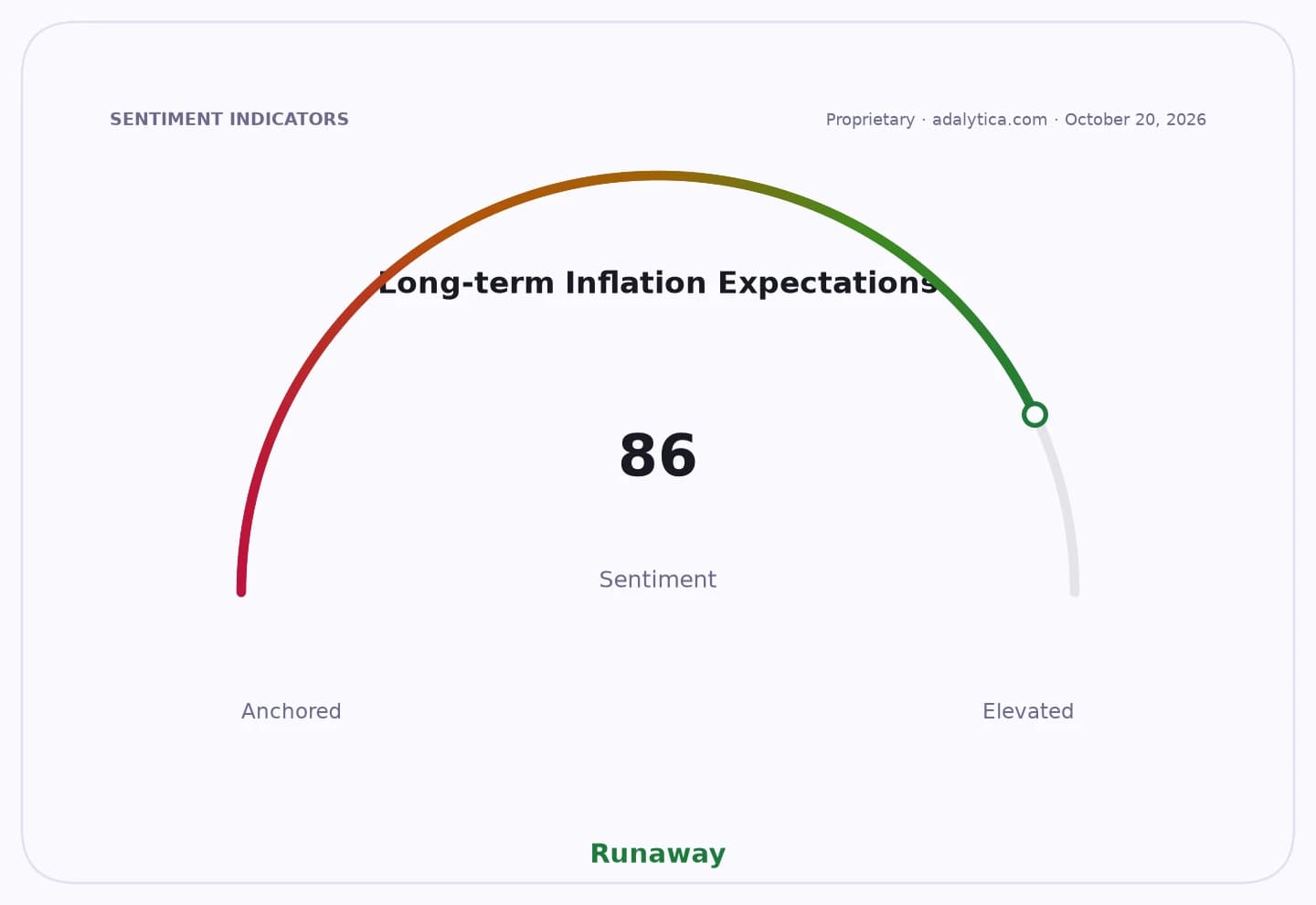
For investors, the main implication is that persistent above-target inflation can complicate the path for real wages, consumer demand and interest-rate expectations in the region. The euro itself was trading near $1.12, close to the lower end of its recent range, while longer-term inflation expectations gauges remain elevated in market and sentiment data, reflecting concern that price growth may not cool quickly across Europe.
Lithuania’s relatively strong economy provides some cushion. The country has continued to expand faster than most of the EU, supported by a resilient industrial base, but that growth can also keep domestic demand firm enough to slow disinflation. Security spending, border measures and broader geopolitical uncertainty add to the risk that fiscal and supply-side pressures remain in the background.
The key question now is whether September marks a temporary flare-up or the start of a more persistent stretch of above-average inflation. If prices keep running ahead of the euro-area norm, policymakers will face a tougher balancing act between preserving growth and restraining inflation, while investors will watch whether Baltic consumer strength starts to feed into wages, rates and local asset pricing.
| Entity | Gains | Losses |
|---|---|---|
| Lithuanian consumers | ▲nominal income gains | ▼purchasing power |
| Lithuanian exporters | ▲weaker euro support | ▼input-cost stability |
| ECB / policymakers | ▲clearer inflation signal | ▼easier policy stance |
| Rate-sensitive borrowers | ▲possible easing later | ▼higher real financing costs |