Sweden has become Europe’s clearest outlier in the inflation fight, with harmonized consumer prices at just 0.3% in August as wartime energy shocks push Spain close to 5% and the euro area average to 3.8%.
Sweden inflation falls to 0.3% on tax relief
That matters because it shows how far fiscal policy, currency strength and an energy mix dominated by hydropower and nuclear power can blunt the transmission of geopolitical stress into prices. For policymakers and investors, Sweden is offering a live case study in how fast inflation can cool without waiting for a central bank to do all the work.
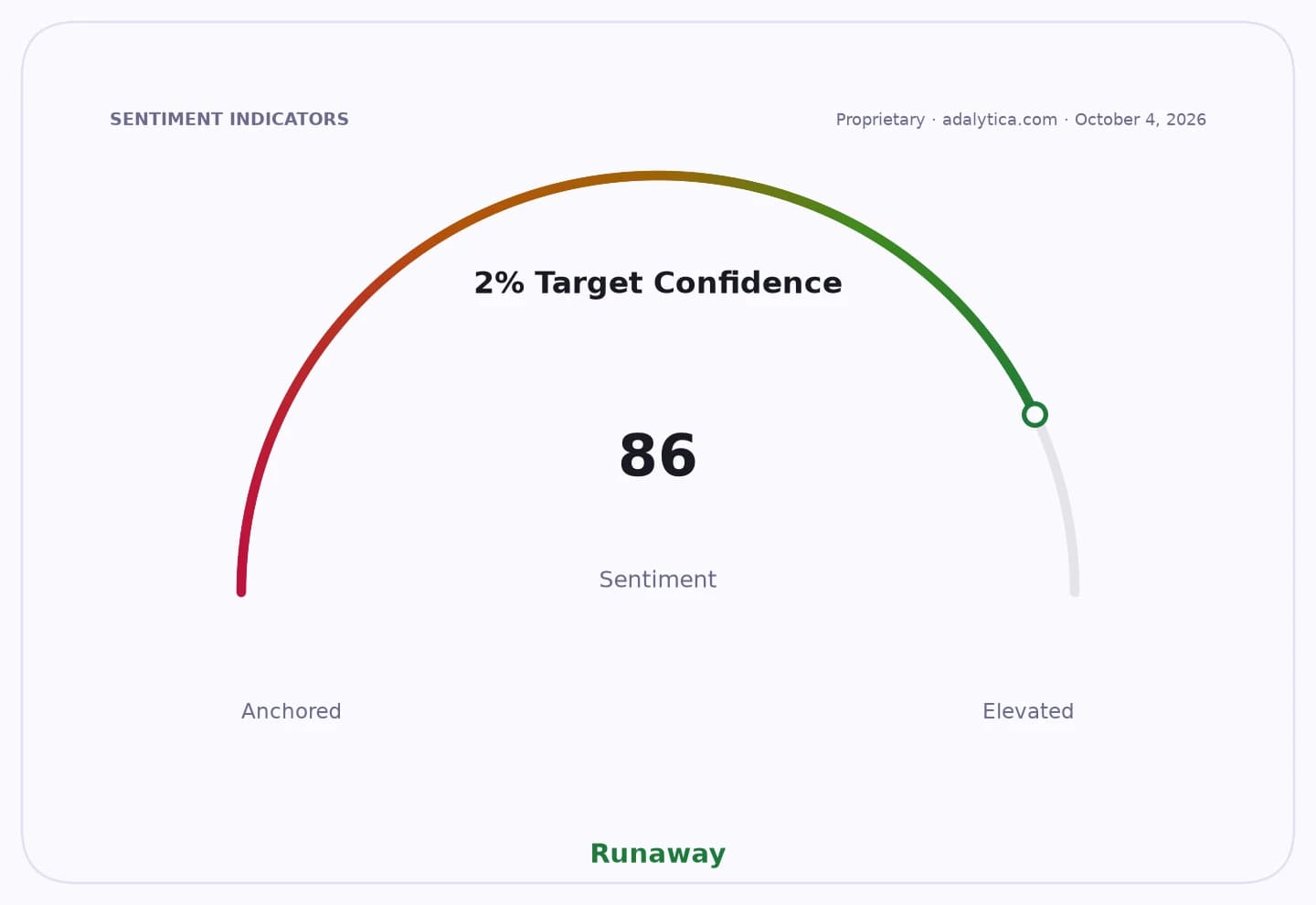
Sentiment IndicatorsⓘProprietary · adalytica.com · October 4, 2026
This is a snapshot — live sentiment, awareness and momentum for 130+ markets update continuously in the dashboard.Open AlphaPulse
The drop is being driven by targeted tax relief on food, fuel and electricity, plus transport subsidies. Sweden cut the VAT on food from 12% to 6% in April and will keep it there through end-2027, while the state is covering 50% of public transport costs through year-end and is also easing fuel prices and electricity bills.
Economists say those measures have kept the inflationary impact of the Iran war relatively contained. Erik Glans, head of inflation at the National Institute of Economic Research, said inflation would have been “considerably higher” without the fiscal interventions.
The story is not just about lower headline inflation. Sweden’s central bank estimates underlying inflation is closer to 2% once energy and temporary fiscal effects are stripped out, meaning the country is still close enough to target to keep policy normalizing. The Riksbank has indicated it may raise rates later this year if inflation and activity stay unchanged, even after cutting its benchmark to 1.75%.
That policy backdrop matters to markets. A stronger krona, up more than 5% in 2025, has reduced import costs at a time when Sweden buys a large share of its goods, energy and inputs from abroad. Lower inflation also supports household purchasing power and helps limit the hit to consumption, a key concern as Europe absorbs higher commodity and transport costs.
Investors will also note the contrast with Spain, where the government has had to deploy a much larger and more targeted support package, in part because public debt stands at 99% of GDP versus Sweden’s 36%. The OECD has criticized broad energy subsidies as expensive and skewed toward higher-income households, but Sweden’s fiscal room gives it more flexibility to absorb shocks without destabilizing its balance sheet.
The next test is whether energy prices remain contained and whether the krona keeps its recent strength. If not, the Riksbank may be forced to tighten faster than markets expect, but for now Sweden’s low-inflation model is standing out as one of Europe’s few wartime success stories.
| Entity | Gains | Losses |
|---|---|---|
| Swedish households | ▲Lower food and energy costs | ▼Less from broad subsidies if phased out |
| Riksbank | ▲Easier inflation outlook | ▼Pressure if energy prices rebound |
| Swedish exporters/importers | ▲Stronger policy credibility, stable demand | ▼Importers if krona reverses |
| Spain/Euro area peers | ▲Lessons from Sweden’s model | ▼Higher inflation and heavier fiscal strain |