Swedish households enter the election with their strongest purchasing power on record, easing pressure on family budgets and reducing the immediate case for broad pre-election giveaways.
Swedish households hit record purchasing power

Real disposable income — wages after tax and inflation — has risen to the highest level ever measured in Sweden, according to SEB private economist Américo Fernández, while Riksbank Governor Erik Thedéen said household purchasing power is now stronger than before the inflation shock of 2022 and 2023. For investors and policymakers, that matters because the economy’s main demand engine is no longer being held back by collapsing real incomes, giving consumers more room to spend and the central bank more confidence that rate cuts are feeding through.
Sentiment IndicatorsⓘProprietary · adalytica.com · September 3, 2026
This is a snapshot — live sentiment, awareness and momentum for 130+ markets update continuously in the dashboard.Open AlphaPulse
The improvement reflects a rare combination of lower inflation, falling interest rates, tax cuts and still-resilient labor markets. Fernández said the Riksbank’s rate reductions have been crucial, arguing that cheaper borrowing is what will determine whether households feel able to consume. That is consistent with broader Swedish conditions: inflation has eased, unemployment is drifting lower, and the outlook for household balance sheets is improving rather than deteriorating.
That shift changes the political economy of the election. Several parties have campaigned on leaving more money in voters’ pockets, but the evidence suggests the average household may not need a large new fiscal boost. Nordea private economist Anders Stenkrona said households were in a much tighter position ahead of the previous election, whereas this time inflation and rates have come down as real wages have slowly caught up with 2021 levels. He added that many families have also built buffers through higher saving, leaving them better placed to absorb any negative shock.
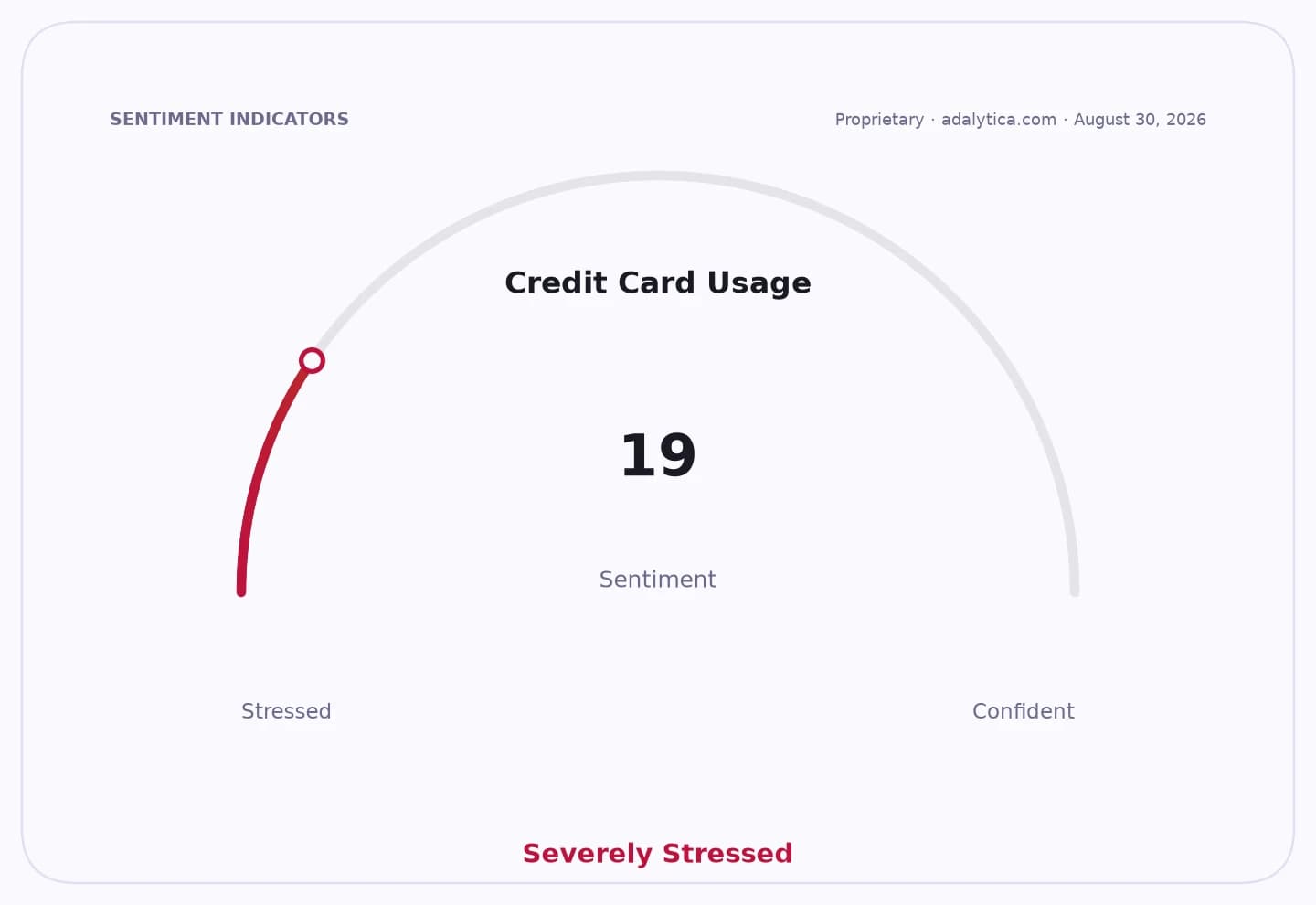
For markets, that is constructive for domestic consumption, retail, housing-related spending and credit quality. Adalytica’s Consumer Spending Sentiment gauge is neutral, but the underlying improvement in real incomes suggests the consumer is firmer than the mood data alone implies. Banks and lenders benefit from healthier households with lower arrears risk, while exporters and cyclical firms could see steadier demand at home if the recovery broadens.
The bear case is that the gain in purchasing power may not translate quickly into spending if households remain cautious after two years of inflation pain. Higher mortgage costs still bite for leveraged borrowers, and the recovery in consumption could remain uneven. But the policy message is clear: Sweden’s household sector is moving from defense to repair, and that reduces the urgency for election promises built solely on more cash in pay packets.
| Entity | Gains | Losses |
|---|---|---|
| Swedish households | ▲Record real income, bigger buffers | ▼Less need for extra relief |
| Riksbanken | ▲Easier policy transmission, stronger confidence | ▼Less pressure to support demand |
| Banks and lenders | ▲Lower credit stress, better asset quality | ▼Slower loan-growth upside if spending stays cautious |
| Election spenders | ▲Fewer budgetary pressures | ▼Fewer voter gains from new giveaways |