Swedish households are heading into the election with real disposable income rising, giving consumers more room to spend after years of inflation pressure and interest-rate stress.
Swedish Households See Real Income Rising
That matters because household purchasing power is one of the clearest near-term drivers of Sweden’s growth outlook. When real incomes rise, families can absorb higher mortgage costs, rebuild savings and support retail sales, travel and other discretionary spending — all of which feed through to corporate earnings and tax receipts. For policymakers, it also reduces the risk that a fragile recovery is derailed by weak consumption just as voters are weighing the state of the economy.
Sentiment IndicatorsⓘProprietary · adalytica.com · August 22, 2026
This is a snapshot — live sentiment, awareness and momentum for 130+ markets update continuously in the dashboard.Open AlphaPulse
The improvement comes against a backdrop of stabilizing inflation and a labor market that, while softer than in the post-pandemic rebound, has avoided the kind of collapse that would normally crush household balance sheets. Conventional technical indicators on Swedish-listed consumer proxies point to a market that has already begun pricing in better domestic demand: the iShares MSCI Sweden ETF, EWD, has climbed to $53.63, above both its 50-day moving average of $51.10 and 200-day moving average of $49.79, with RSI at 60.2, a sign of firm but not extreme momentum.
The broadening of investor sentiment is also visible in the Netherlands-focused EWN fund, which has remained near multi-month highs after recovering from a March slump. That does not map directly onto Sweden, but it reinforces a wider European equity bid for companies tied to household spending and domestic demand rather than global trade.
For investors, the key question is whether the rise in real disposable income marks a durable turning point or just a temporary lift from lower inflation. The bull case is that easing price pressure, combined with a steadier labor market, allows Swedish households to normalize spending and lift sectors such as retail, consumer services and housing-related names. The bear case is that mortgage costs and still-cautious consumers continue to keep a lid on demand, limiting the translation of better income data into actual spending.
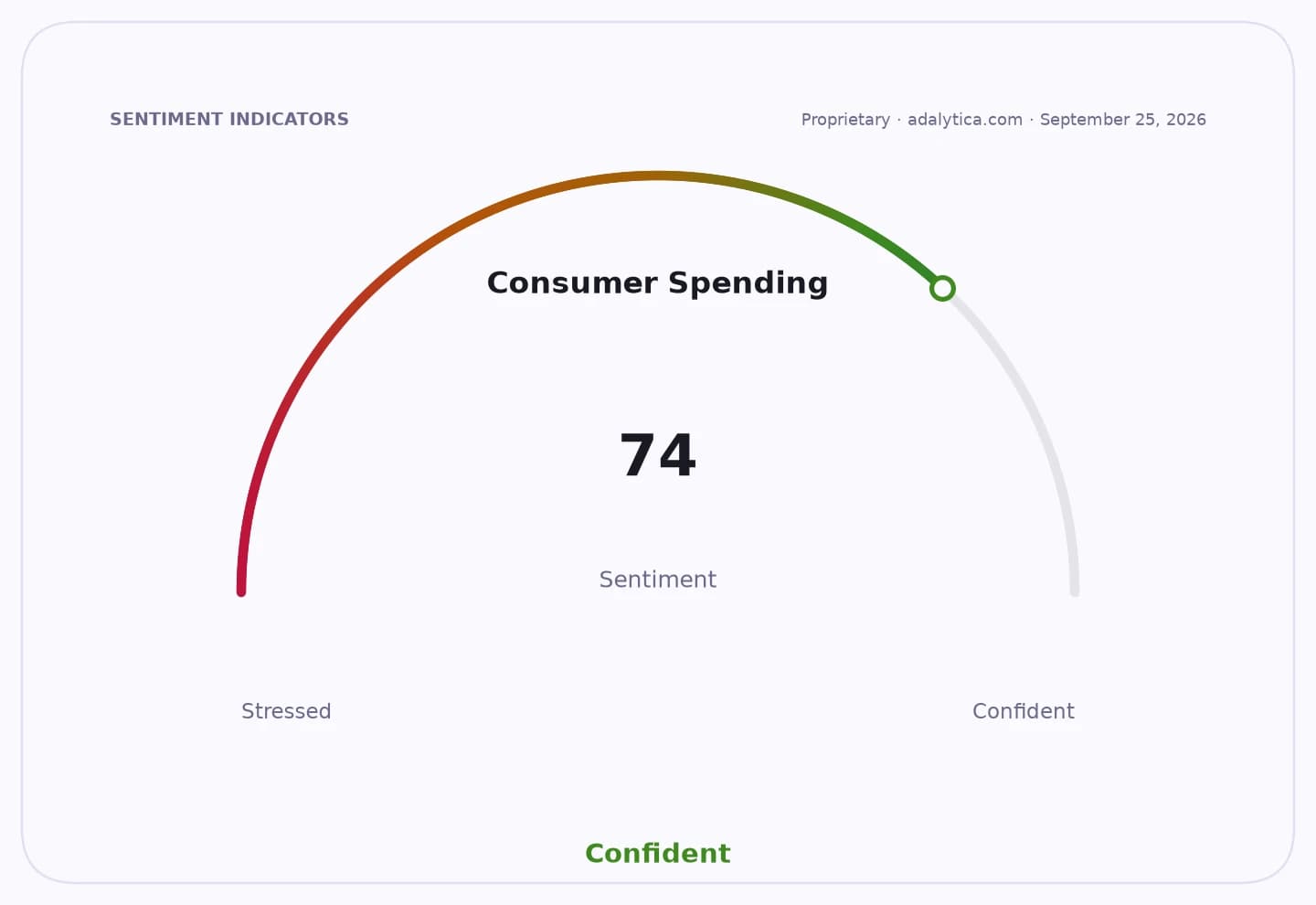
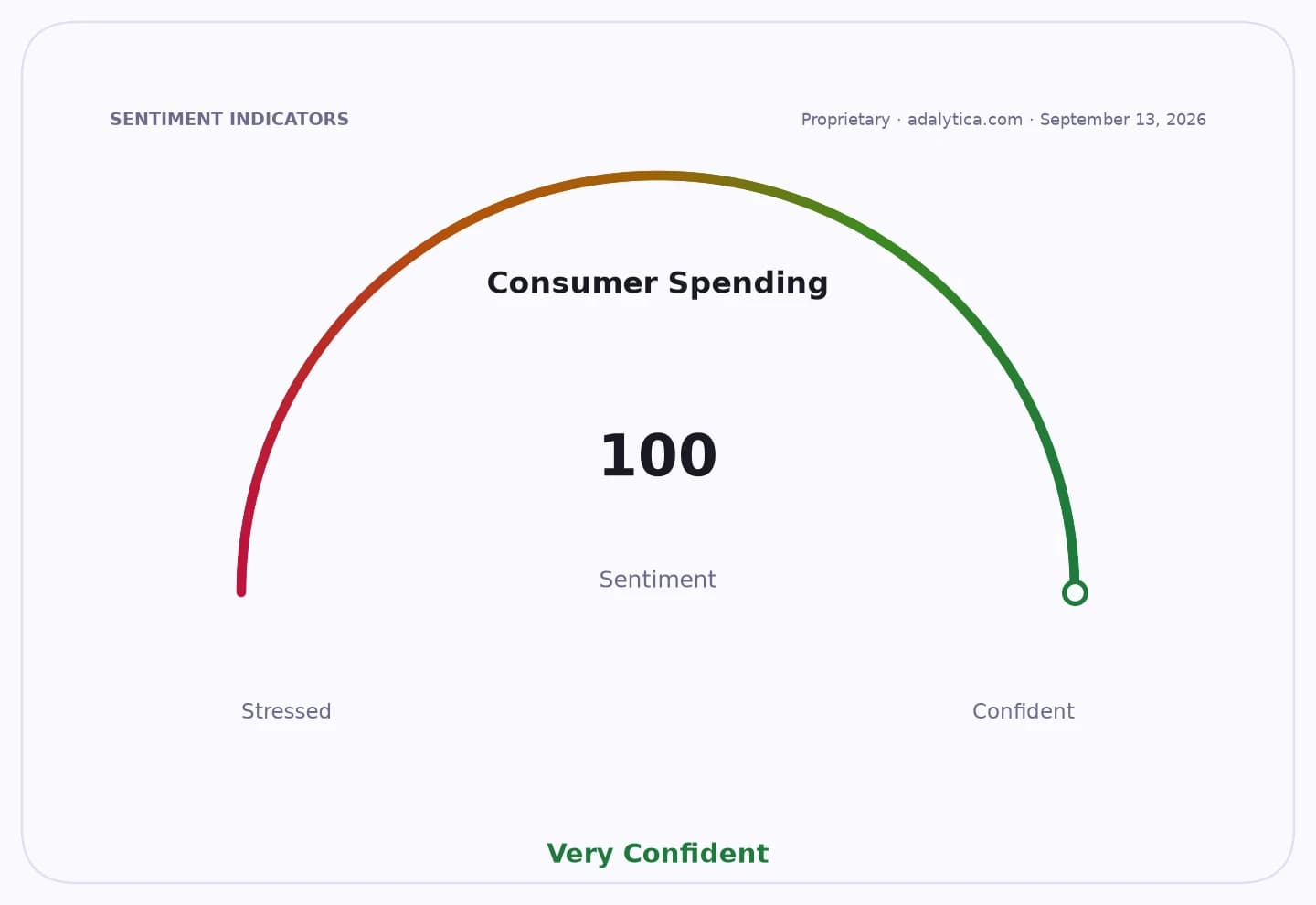
Adalytica’s Consumer Spending Sentiment gauge underscores that tension: sentiment is in “Fear” at 25, even as awareness remains elevated, suggesting households may be aware of improving finances but not yet fully confident enough to spend aggressively. That disconnect matters for equities because income gains only become earnings gains if consumers actually open their wallets.
The election angle raises the stakes. Any party that can credibly argue it will protect household living standards, support wages and avoid a renewed squeeze on disposable income has a political advantage. For markets, the bigger issue is whether stronger real incomes can sustain a broader Swedish recovery without forcing the central bank to keep policy tighter for longer. The next signal will come from retail sales, wage data and any post-election fiscal shift that either reinforces or reverses the household rebound.
| Entity | Gains | Losses |
|---|---|---|
| Swedish households | ▲Higher purchasing power | ▼Inflation and debt burden |
| Retailers and consumer firms | ▲Stronger spending demand | ▼Cautious consumers |
| Swedish equities | ▲Better domestic earnings outlook | ▼Weak earnings revisions |
| Fiscal policymakers | ▲Less pressure on transfers | ▼Voters if incomes stall |