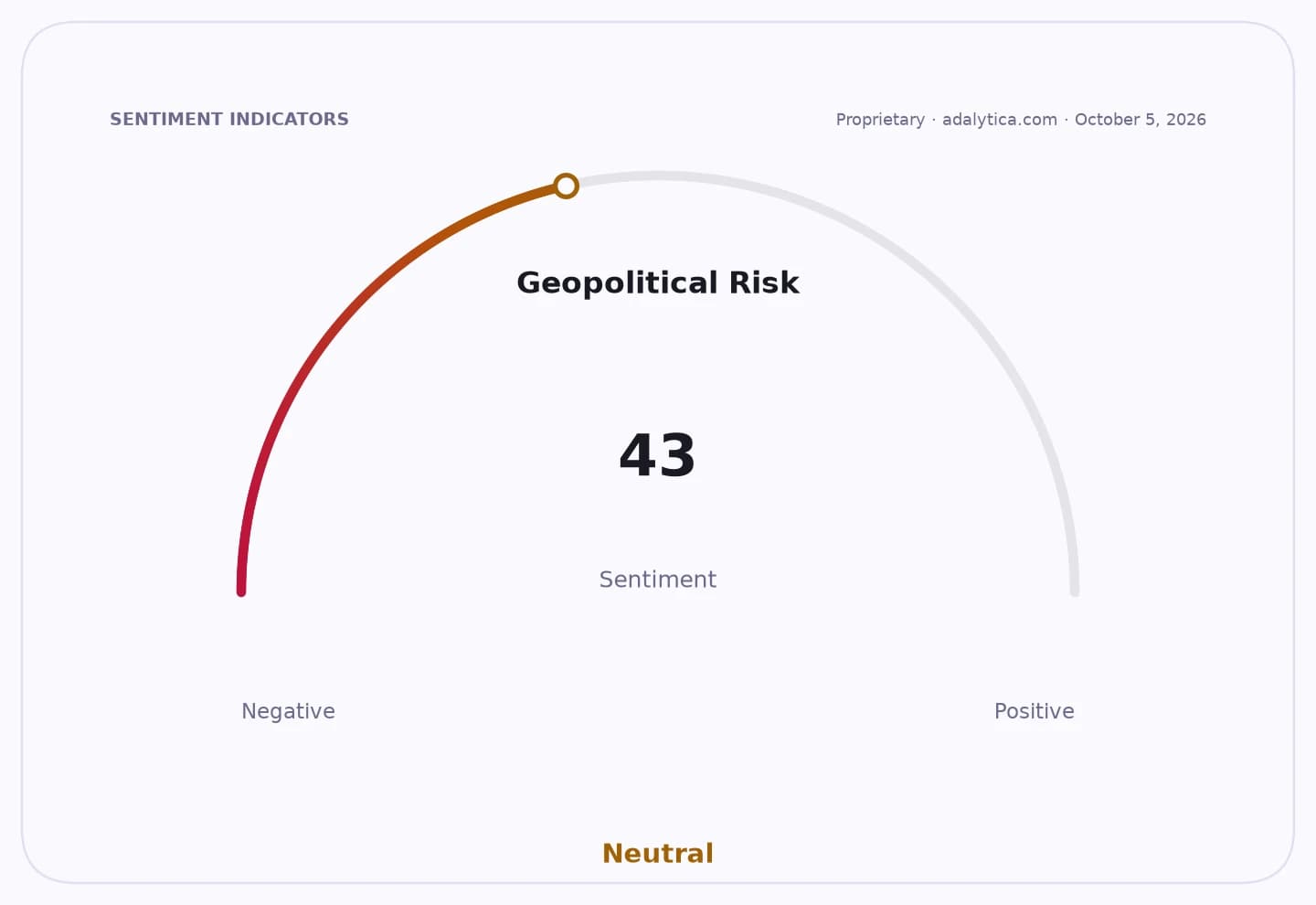
Spain’s elections are underscoring a political shift that could shape campaigns across Europe: voters are increasingly being pulled by two bread-and-butter issues, immigration and housing costs, rather than the wars and geopolitical shocks that have dominated recent years.
Spain elections shift focus to immigration and housing

That matters because both issues cut straight into household budgets, labor supply and social cohesion. In Spain, Prime Minister Pedro Sánchez is defending a stance that combines tougher housing protections for tenants with a permissive approach to irregular migration, betting that voters will reward stability over confrontation. The broader European question is whether that formula can hold as rent inflation, migrant arrivals and pressure on public services keep colliding in national politics.

The stakes extend well beyond Madrid. Denmark, Poland and Italy have failed to push the EU to challenge Spain’s immigration regularization policy, exposing a widening split inside the bloc over how to manage arrivals and legal status. At the same time, European Commission President Ursula von der Leyen is urging full implementation of the EU migration and asylum pact, a sign Brussels still wants a coordinated answer even as member states pull in different directions.
For investors, the mix matters because it feeds into the policy backdrop for European assets. Housing shortages can keep political pressure on governments to tighten rent rules, constrain development and increase fiscal spending, while immigration disputes can affect labor markets, regional funding priorities and the tenor of EU decision-making. Spain’s stance also shows how migration policy is becoming inseparable from housing affordability, turning what used to be separate debates into one of Europe’s most potent election themes.
The market read-through is less about a direct trade and more about the durability of policy continuity in one of the euro zone’s larger economies. Spain has outperformed some peers in managing irregular migration, according to Sánchez, but the political payoff depends on whether voters see that as competence or accommodation. If housing remains the more immediate pain point, it could give centrist and left-leaning governments room to defend stronger tenant protections; if immigration dominates, the political margin narrows quickly.
With the next round of European elections and coalition bargaining likely to keep both issues at the forefront, investors should expect more pressure on governments to balance tighter border politics with housing intervention. That combination points to a more fragmented policy landscape in Europe, with implications for construction, real estate, consumer spending and the risk premium attached to EU cohesion.
| Entity | Gains | Losses |
|---|---|---|
| Spanish tenants | ▲stronger housing protections | ▼slower rent relief if policy stalls |
| Sanchez government | ▲political cover on housing | ▼pressure over immigration policy |
| EU Commission | ▲migration pact gains relevance | ▼less room for consensus |
| Property landlords | ▲fewer protections for them if rules tighten | ▼rent controls and regulation |